
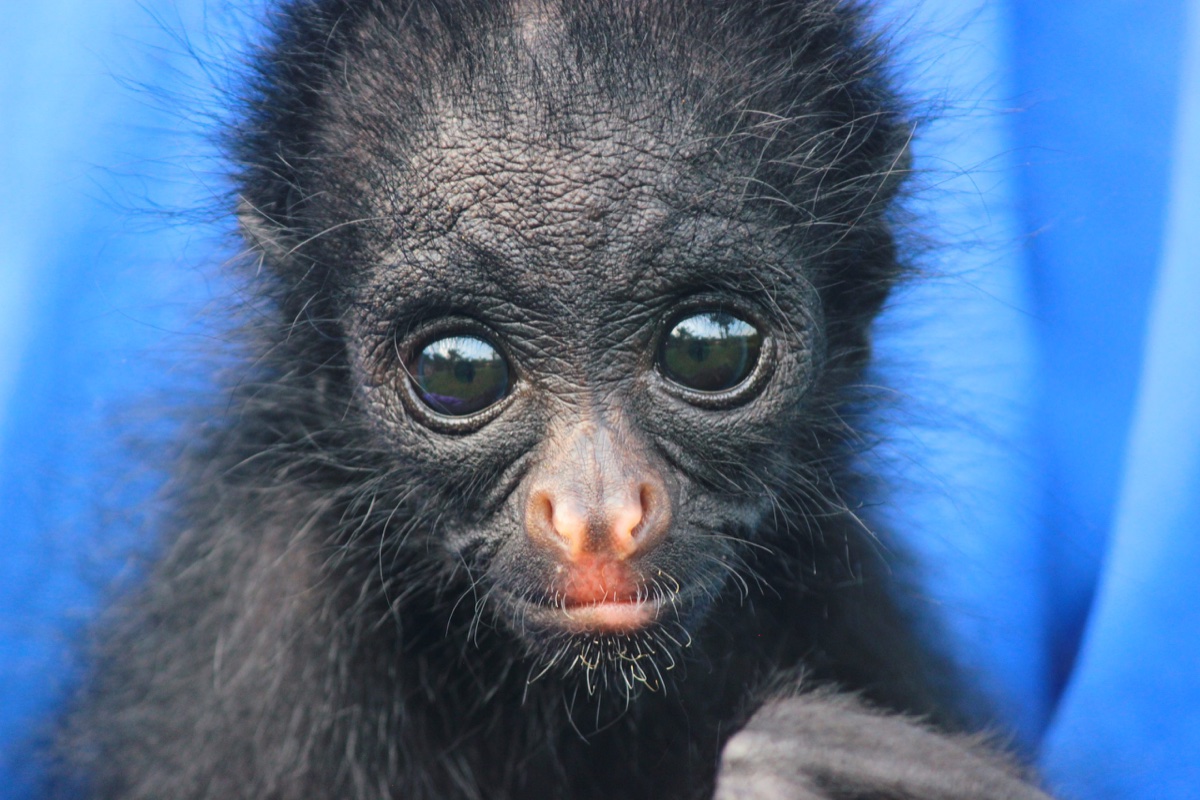
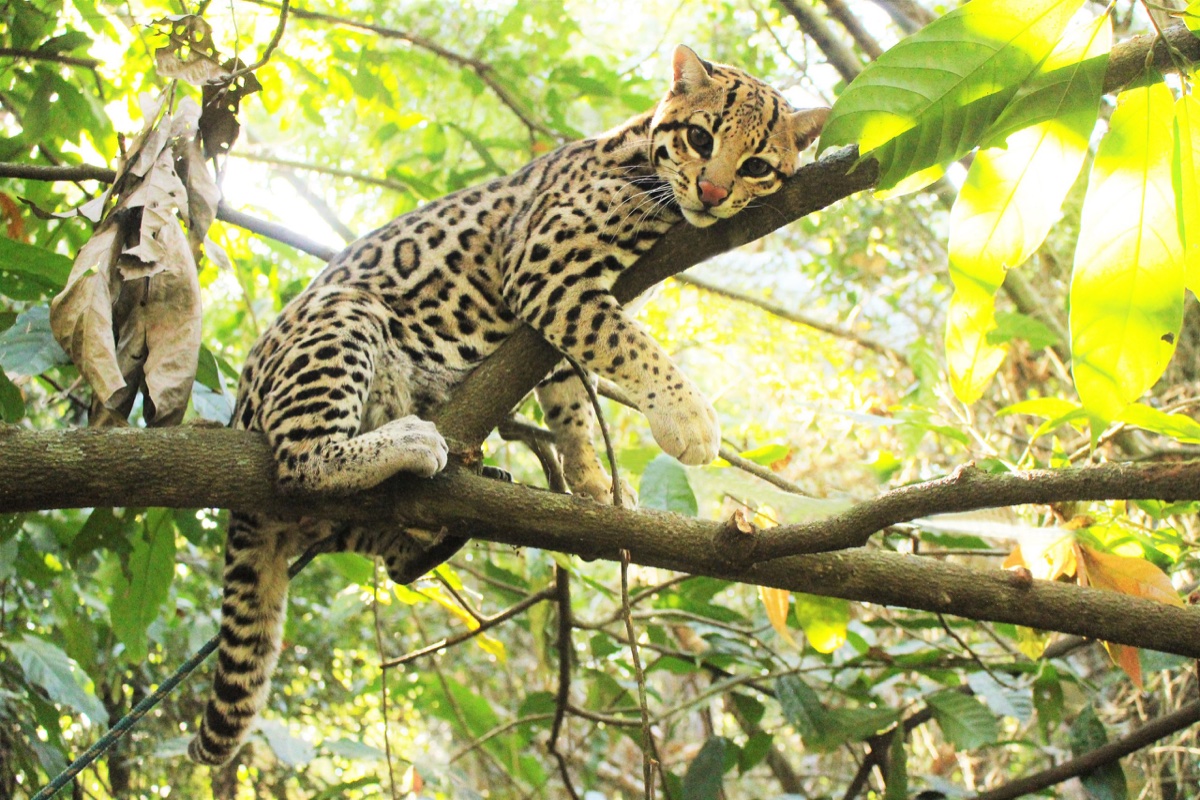
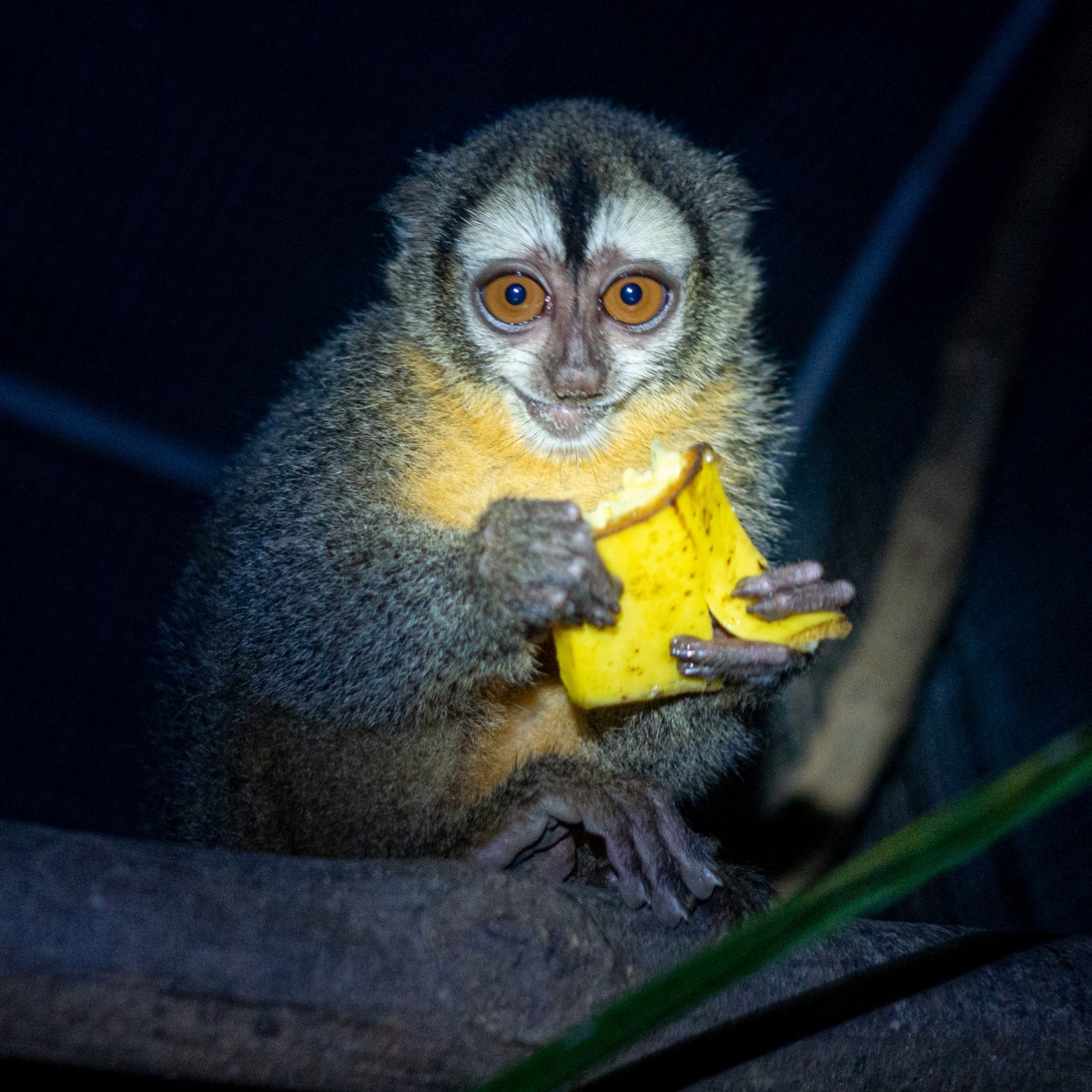
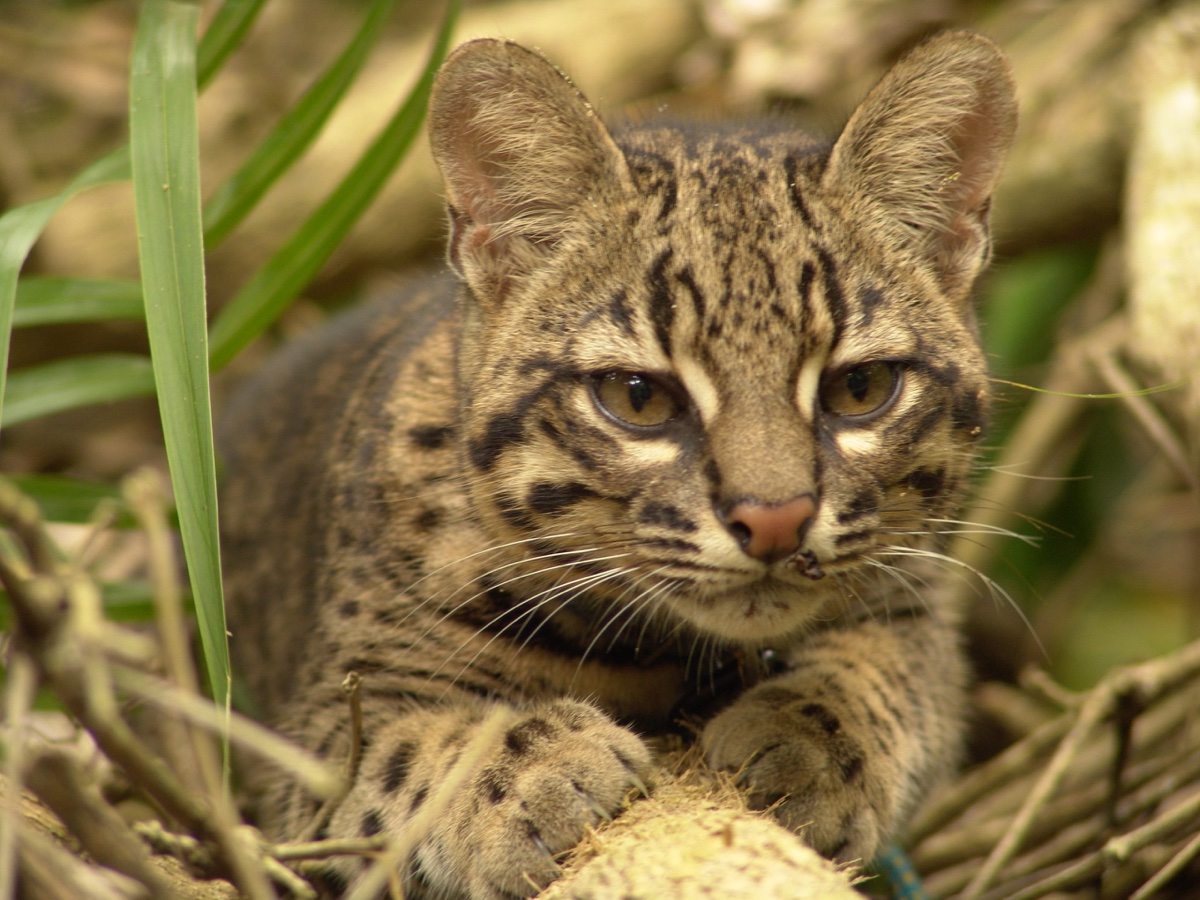

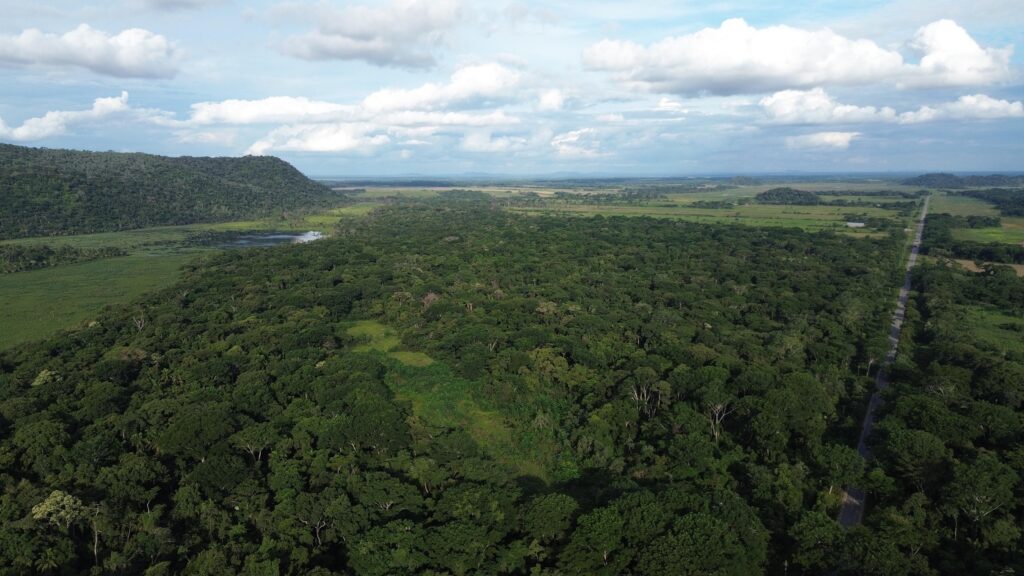

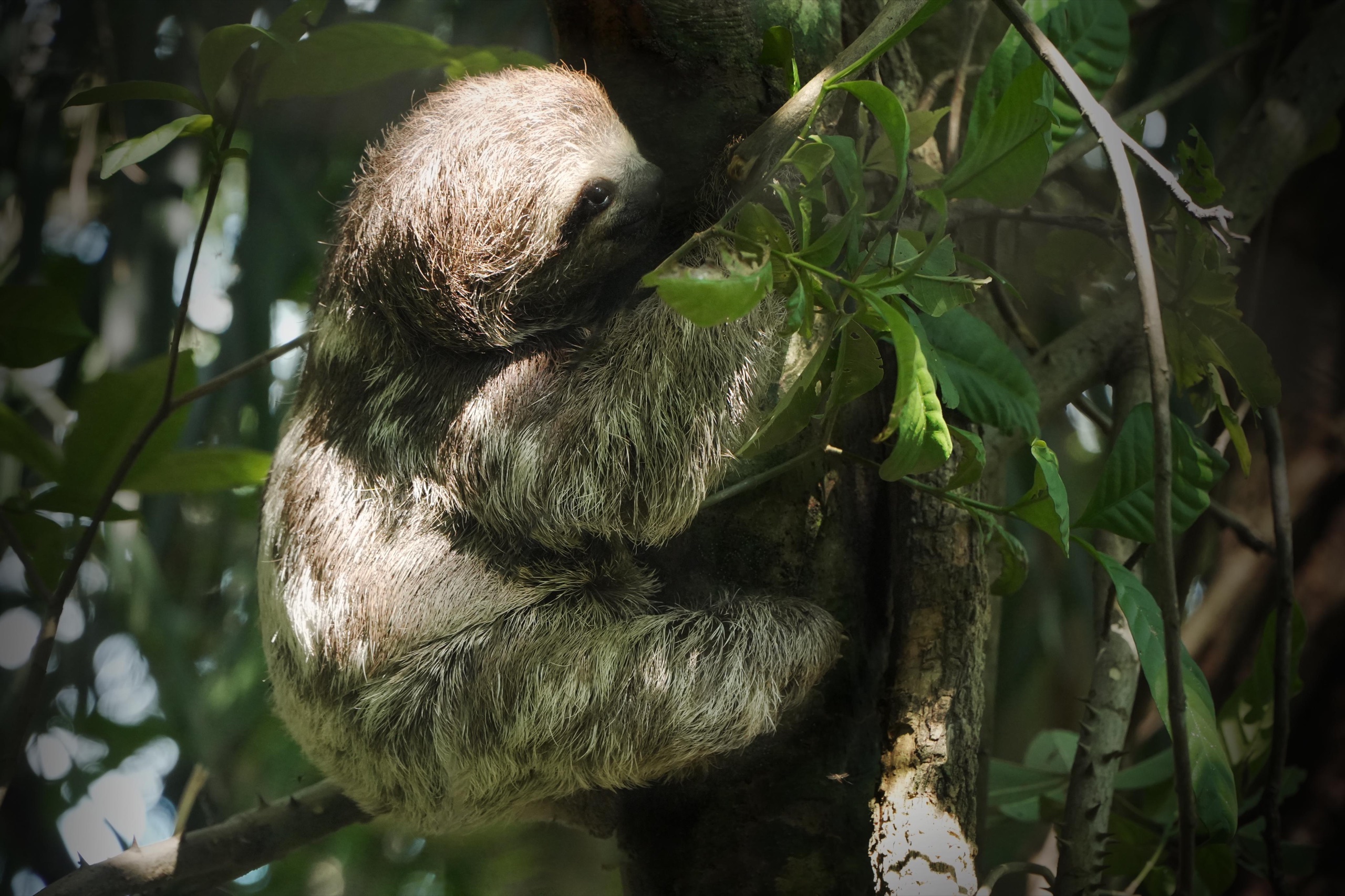
Wildlife Rescue, Rehabilitation, Care and Release
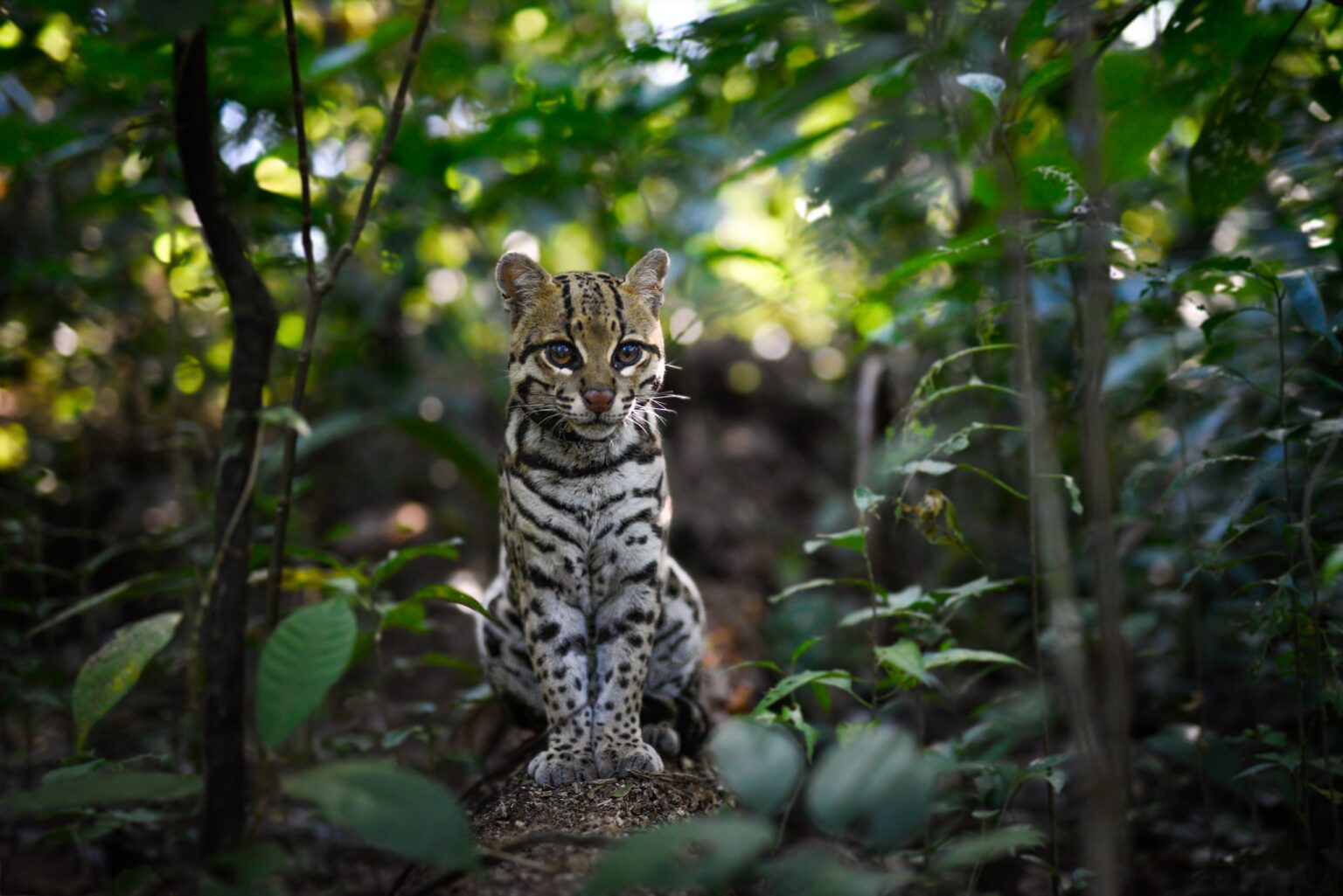
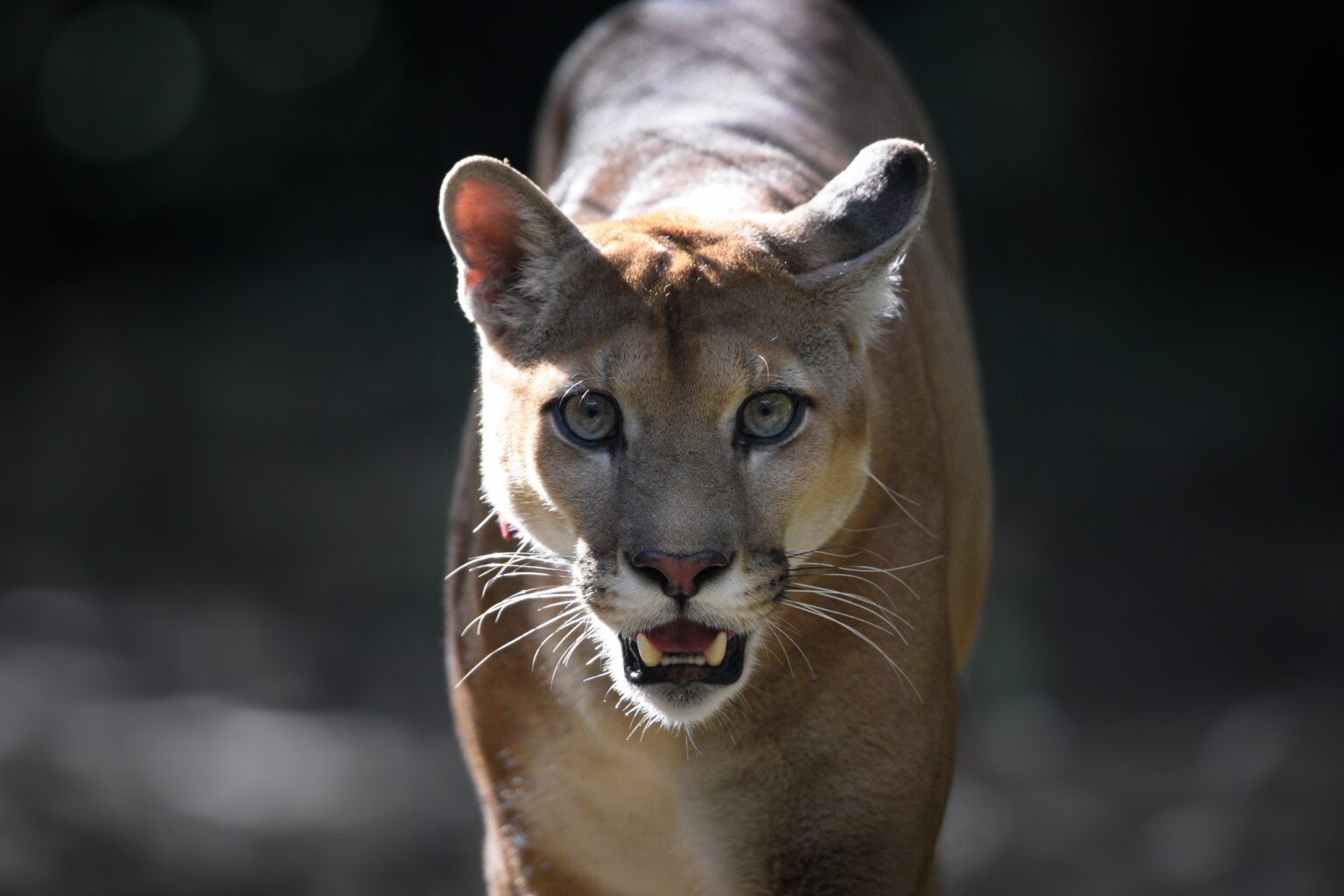
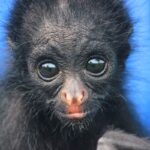
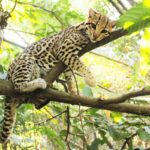
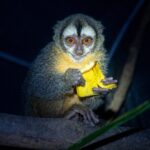
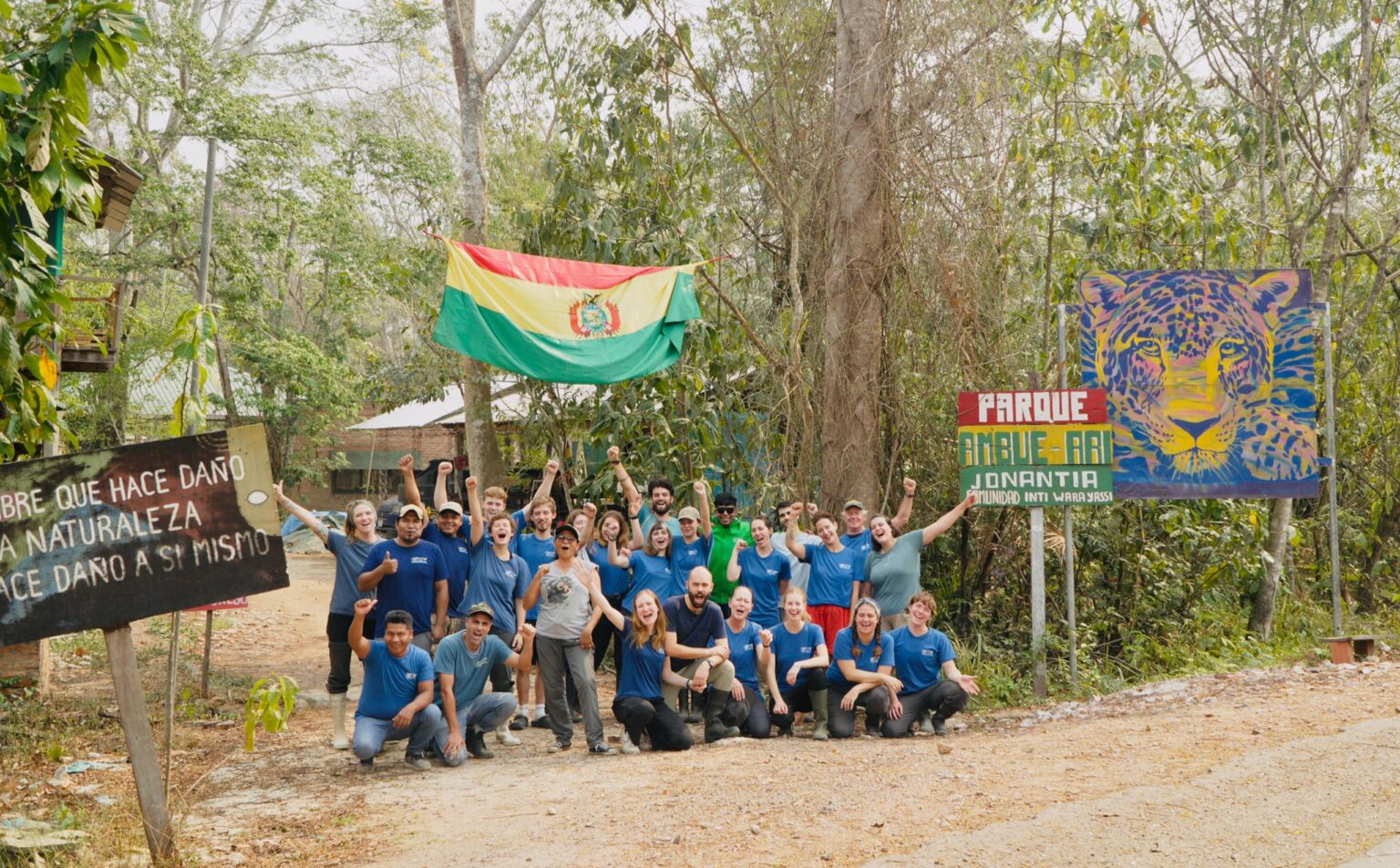
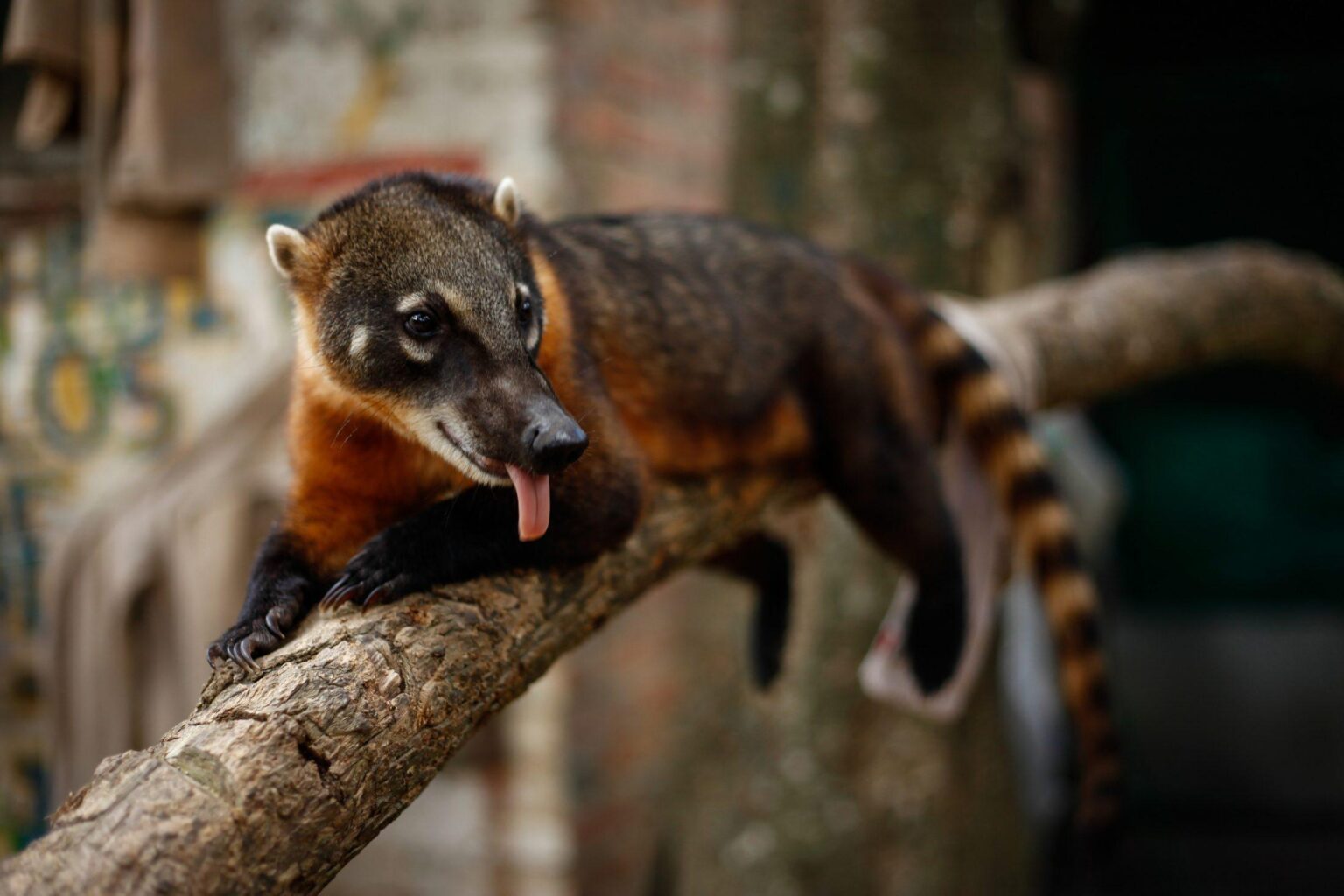
For over 30 years, CIWY has been rescuing Bolivian wildlife that has fallen victim to the illegal pet trade, trafficking and habitat loss, giving these animals a second chance through rehabilitation, long-term care and, where possible, release into the wild.
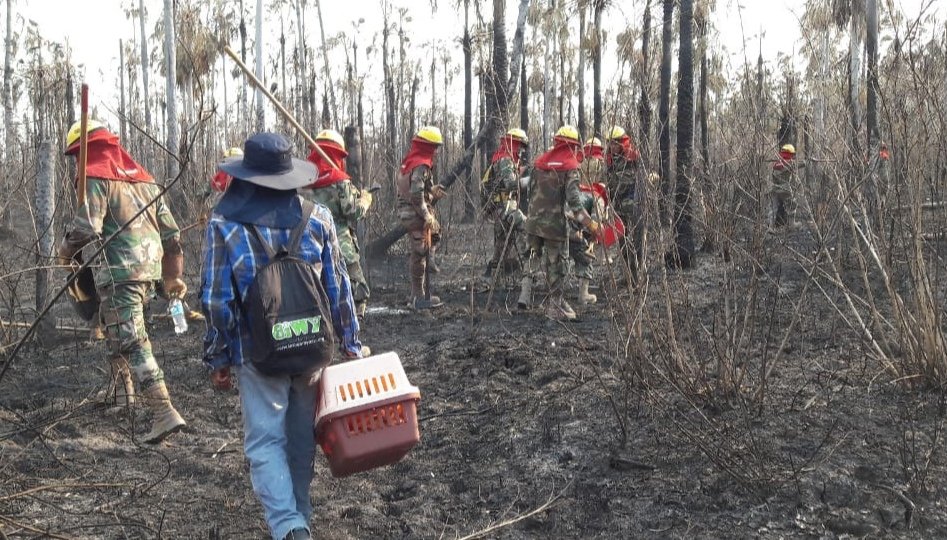
Wildlife Rescue
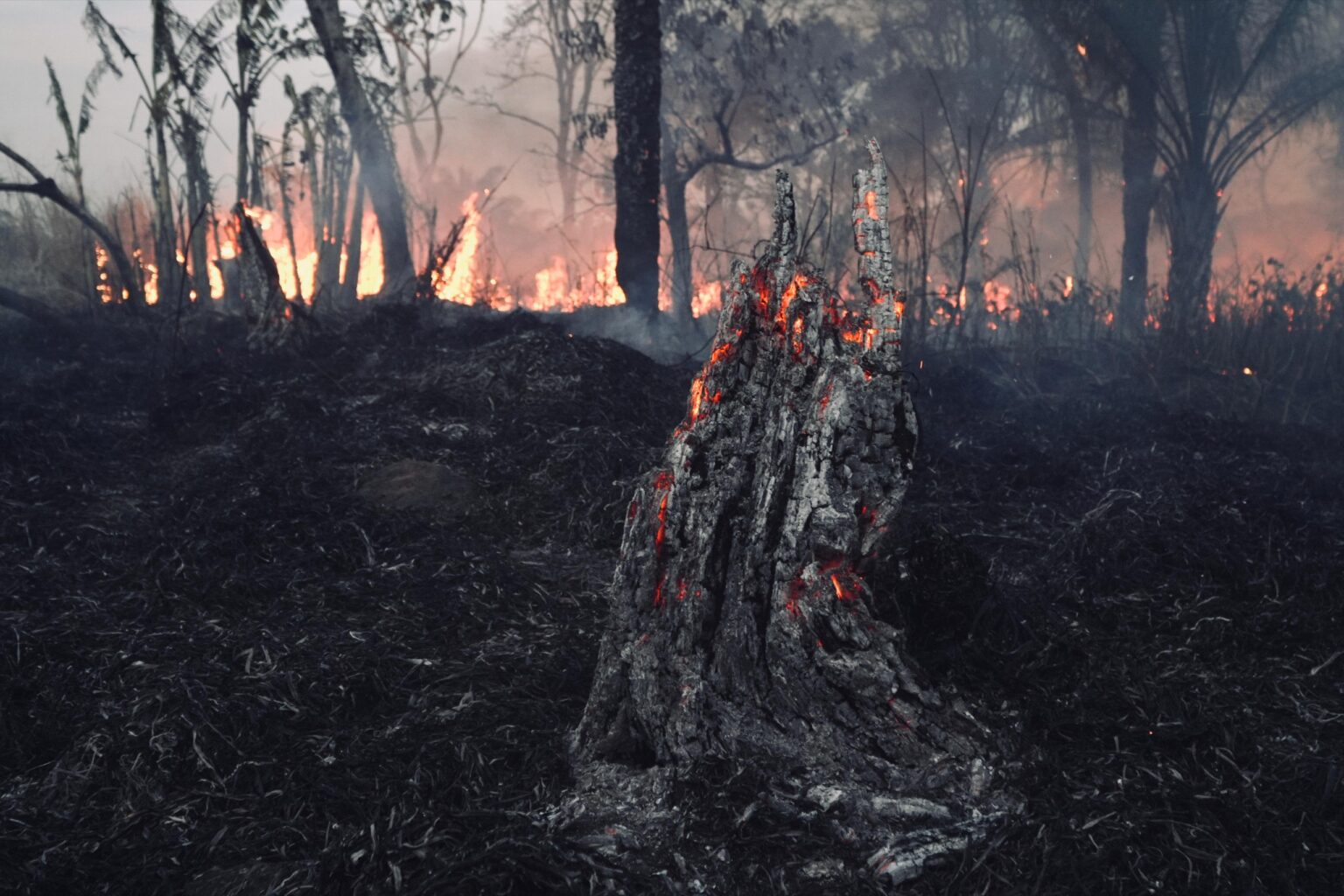
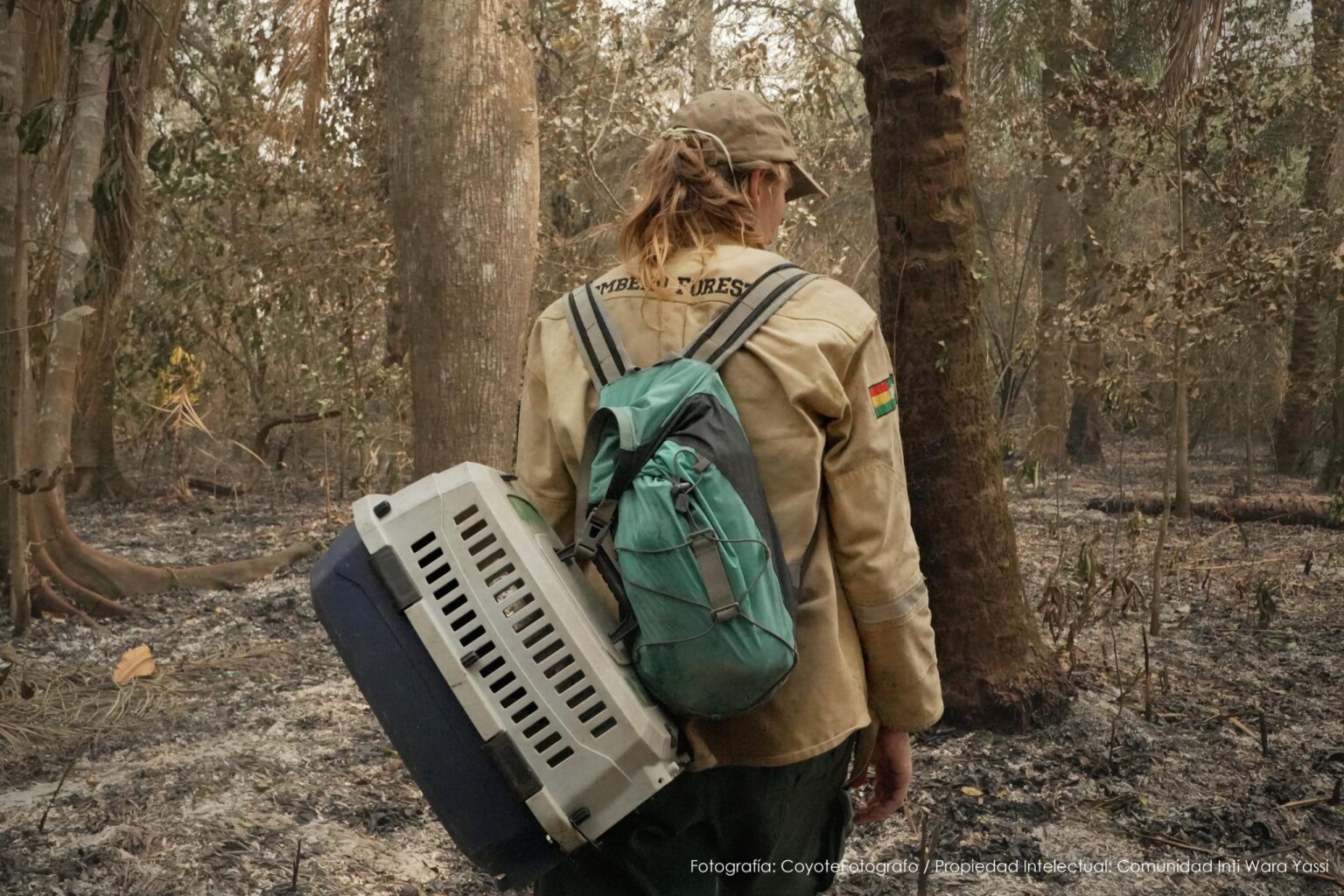
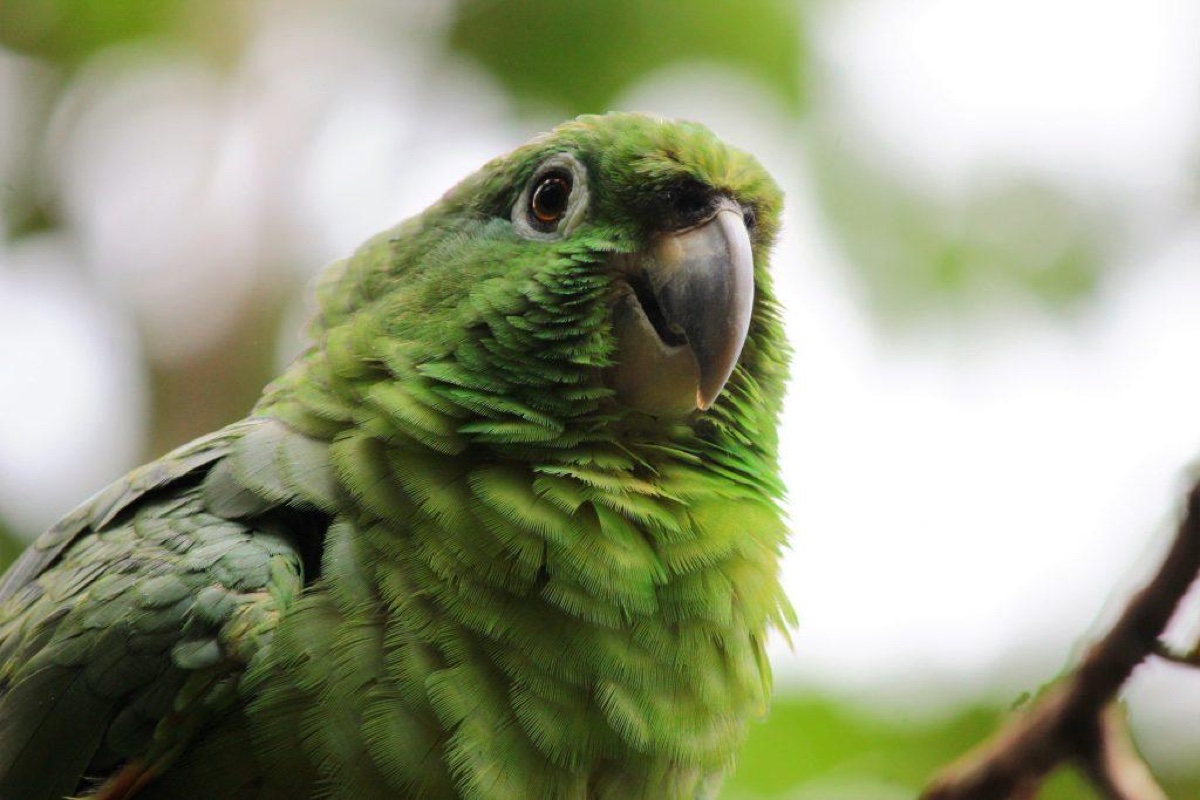
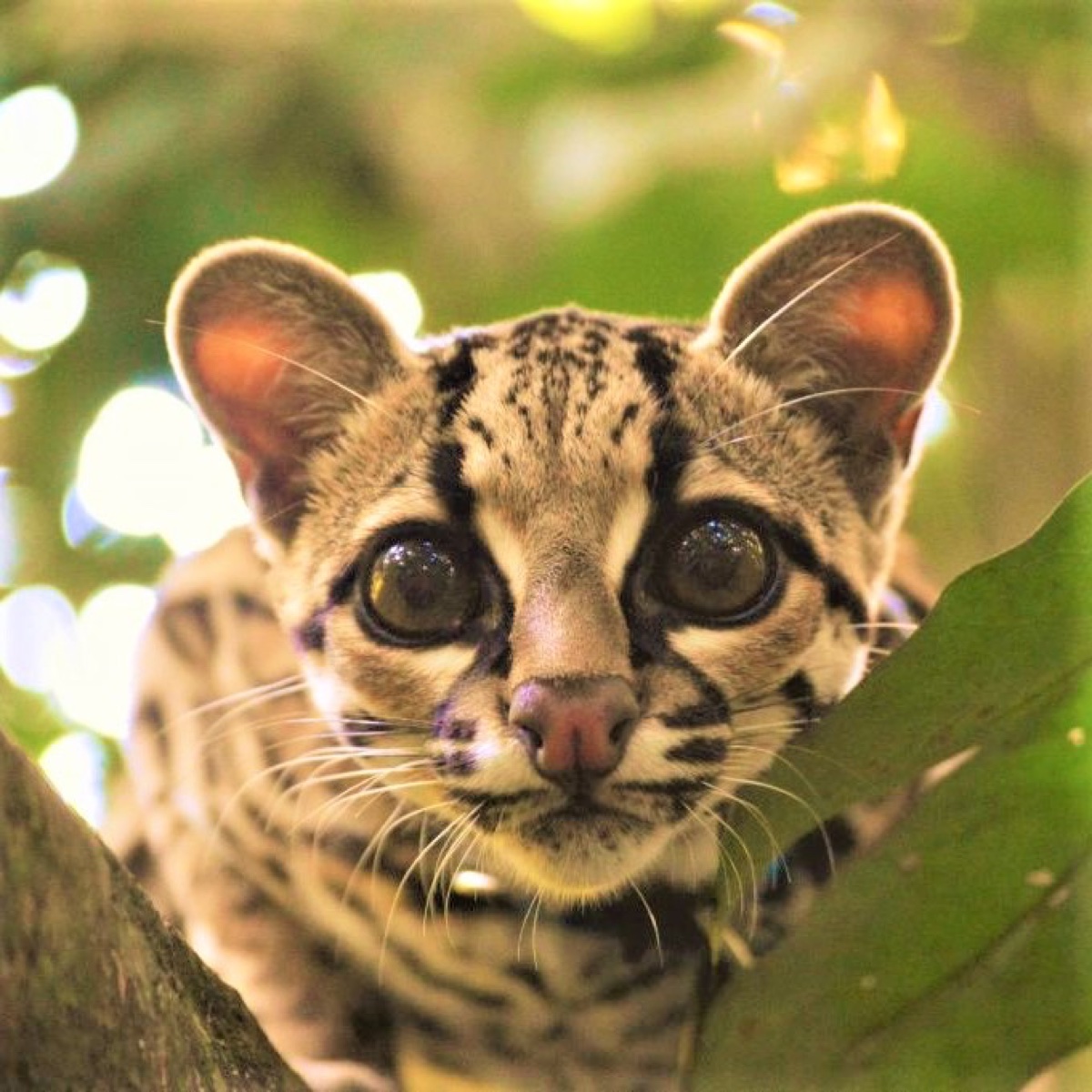
CIWY works closely with the appropriate authorities to rescue wild animals from markets, fairs, zoos, circuses, restaurants and private homes. In recent years, we have also received animals affected by wildfires and habitat loss.
Some animals are brought to CIWY by the police, firefighters or other authorities, while others are voluntarily surrendered by people keeping them illegally. In many cases, CIWY is able to provide the specialist care these animals cannot receive through the resources available to the Bolivian authorities.
Your support helps CIWY respond when wild animals are in need and provide them with the care and protection they need.
Rehabilitation
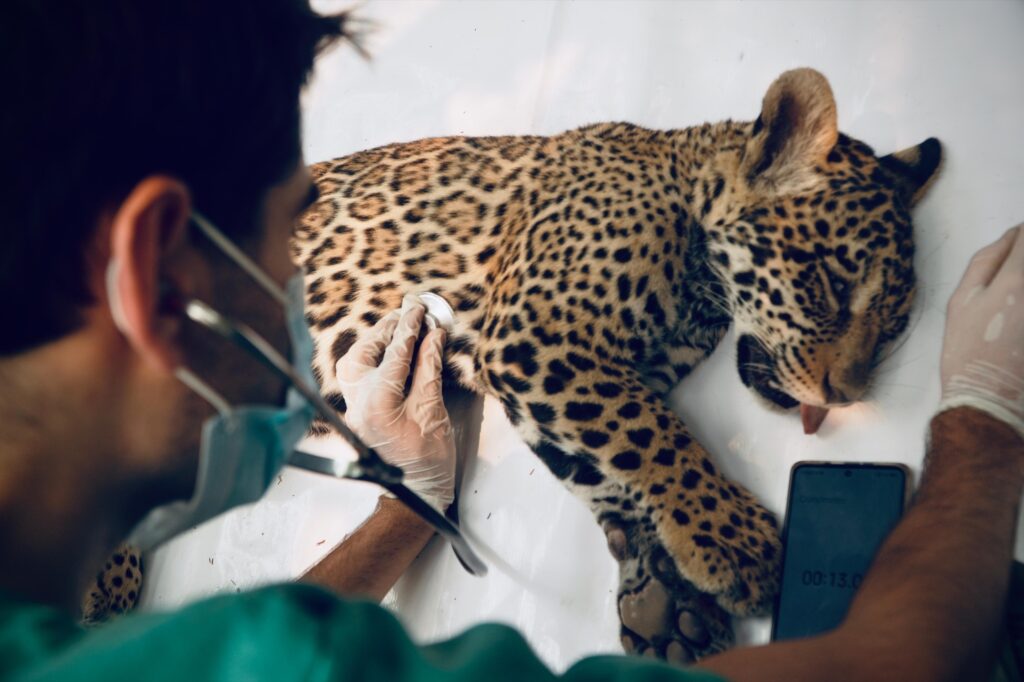
CIWY’s team of professionals, including biologists and veterinarians, assesses each individual when they arrive at one of our sanctuaries to determine the most appropriate rehabilitation and care plan.
Many animals arrive suffering from malnutrition, parasites, injuries, digestive issues and severe trauma caused by human interaction. Each animal has different needs and a different history. Depending on their condition and circumstances, some may be ready for release relatively quickly, while others require a much longer period of rehabilitation and care.
Where release is possible, rehabilitation aims to help animals recover the physical condition, behaviours and survival skills they need to return to the wild.
Help provide the specialist care, veterinary treatment, food and rehabilitation that rescued animals need to recover.
Animal Care
For many rescued animals, release into the wild is not possible. Some have been deprived of the opportunity to learn essential survival skills from their own species, while others have become too dependent on humans to survive independently.
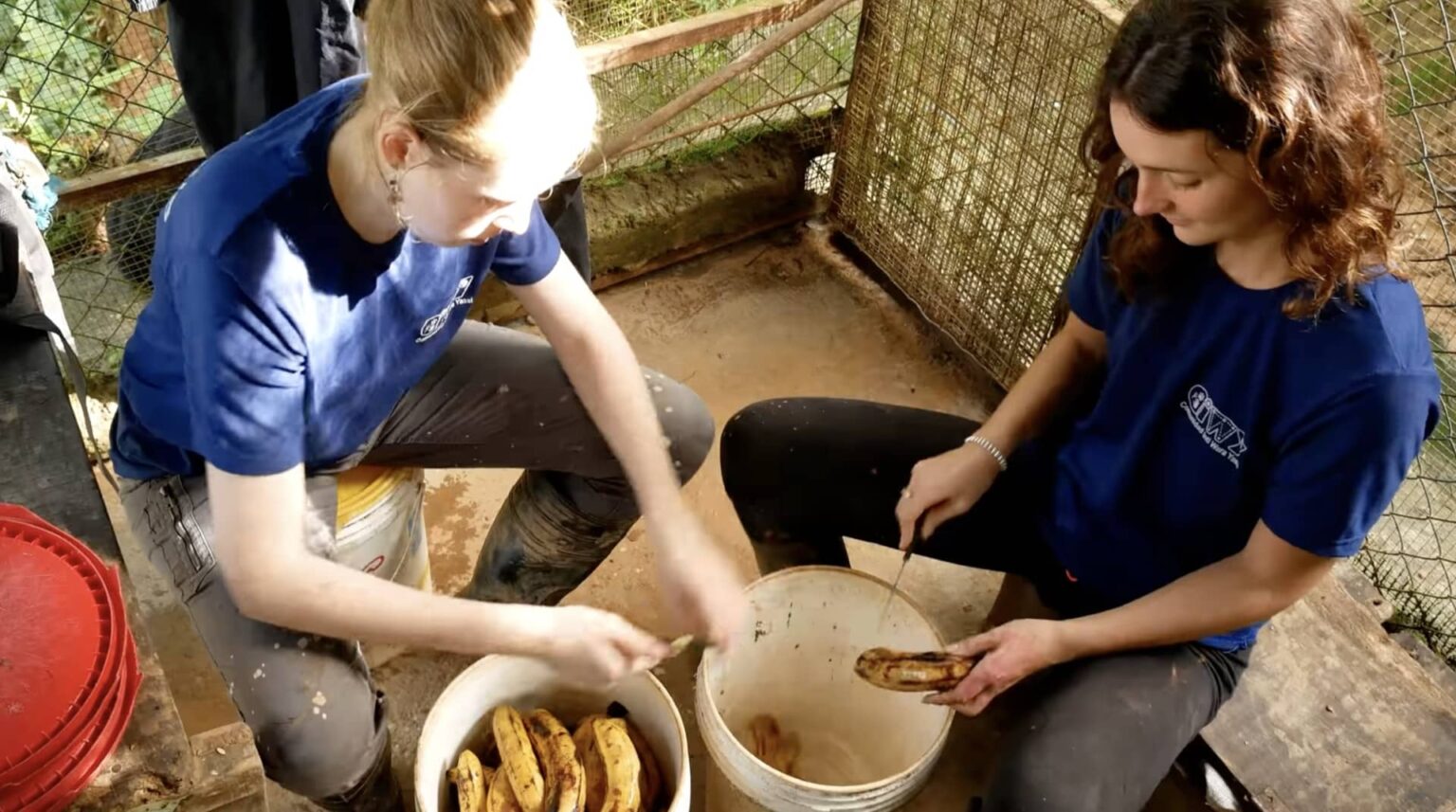
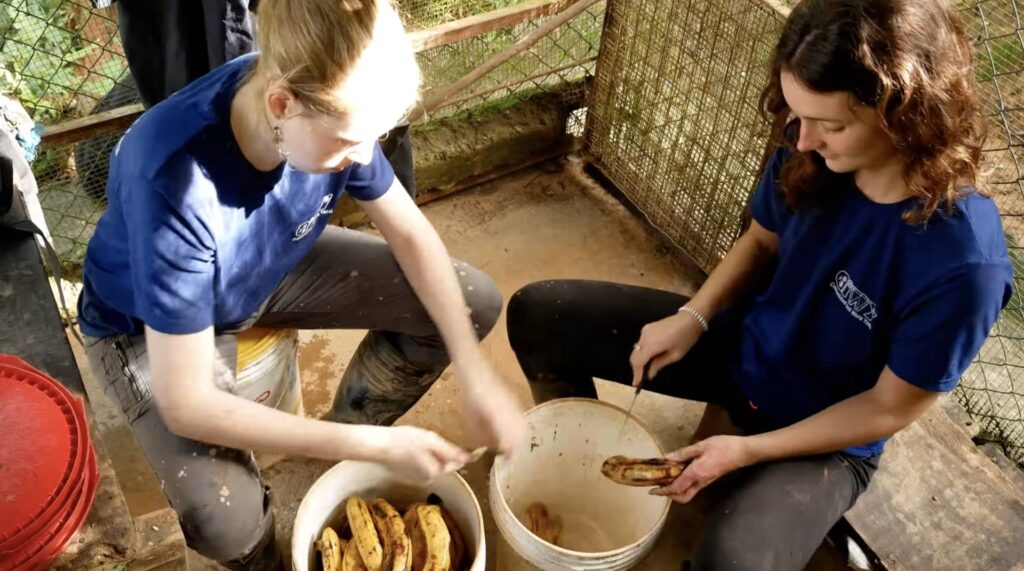
When this happens, CIWY’s focus is on providing the highest possible quality of life. This includes a species-appropriate diet, suitable living spaces, regular exercise and daily environmental enrichment to encourage natural behaviours.
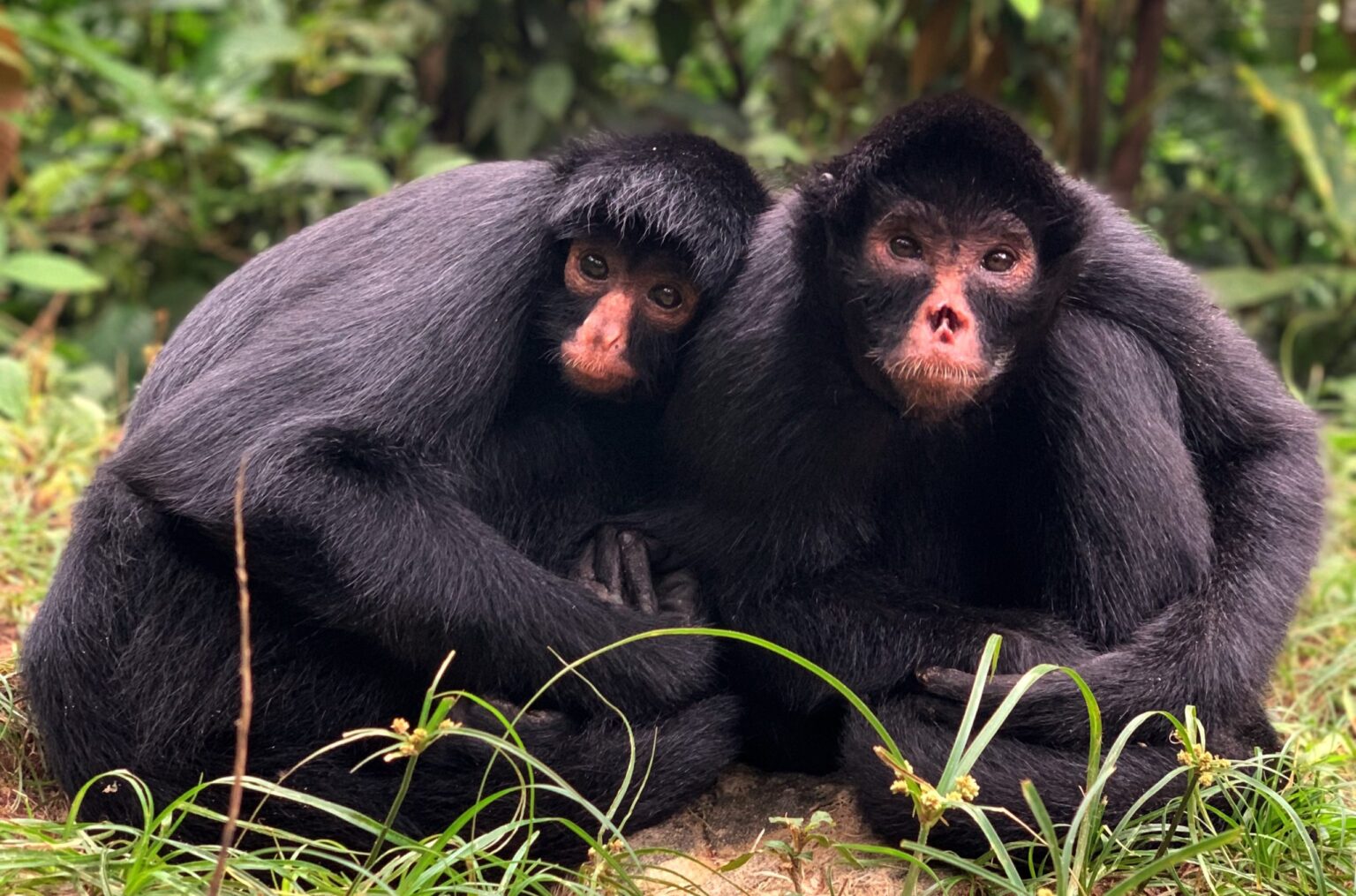
For social species, we aim to integrate individuals into existing groups or carefully form new ones, sometimes allowing them to live in semi-wild conditions. Some animals are able to live in semi-wild groups, while others can leave their enclosures using runner and rope systems with trained volunteers.
Your support helps provide food, veterinary care, enrichment and the daily care that animals at CIWY depend on.

Release
Returning animals to the wild is CIWY’s ultimate goal whenever it is safe and possible for the individual animal. However, not every rescued animal can be released, and for some, lifelong care at one of our sanctuaries is the best possible outcome.
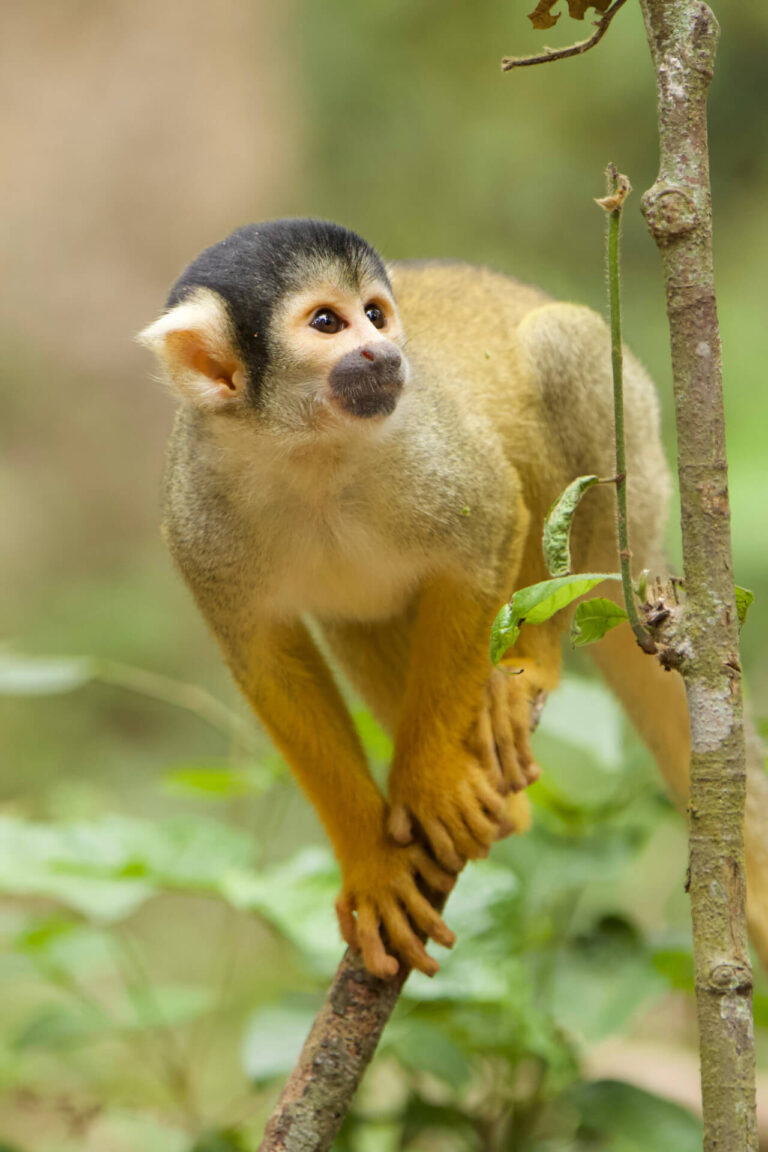
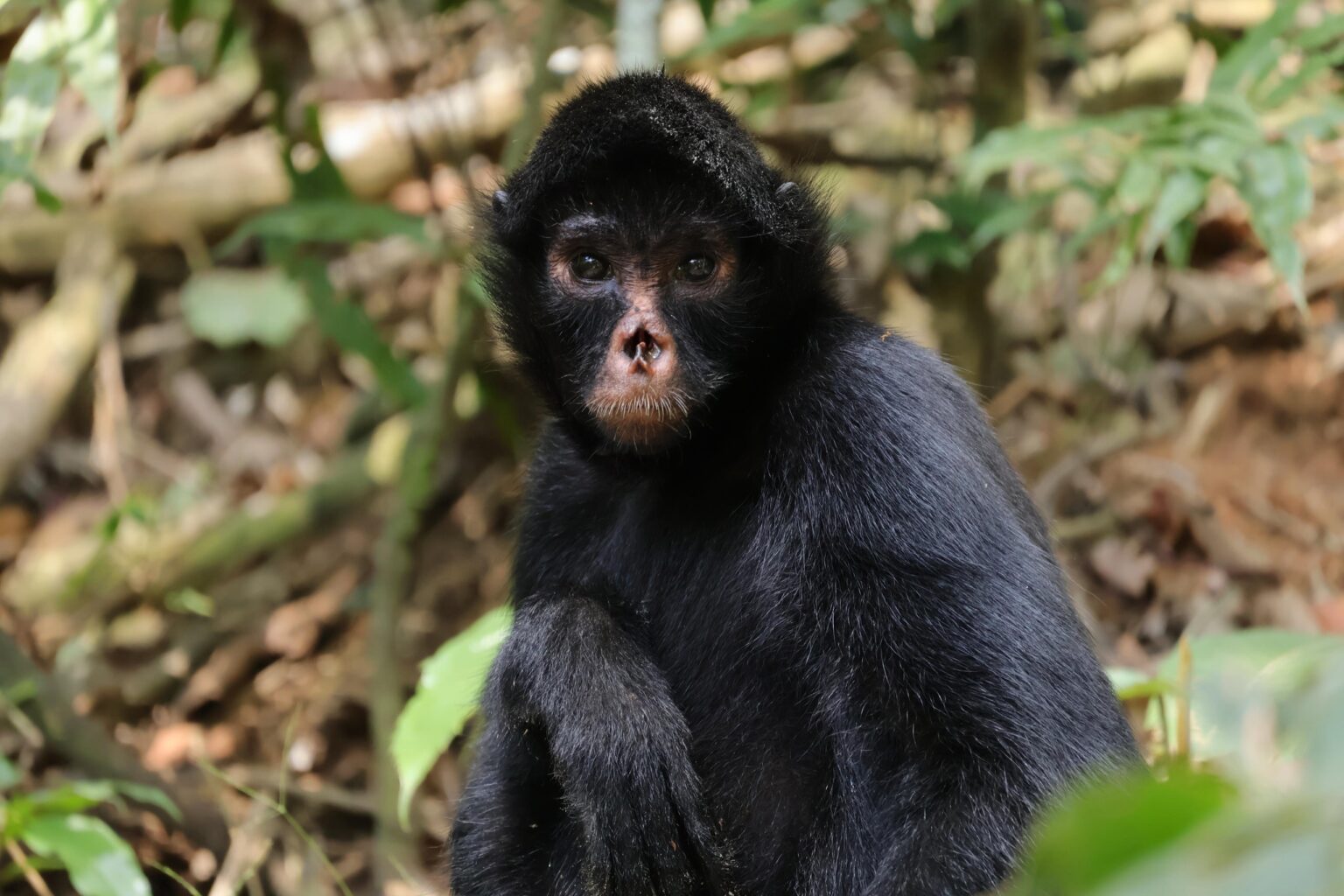
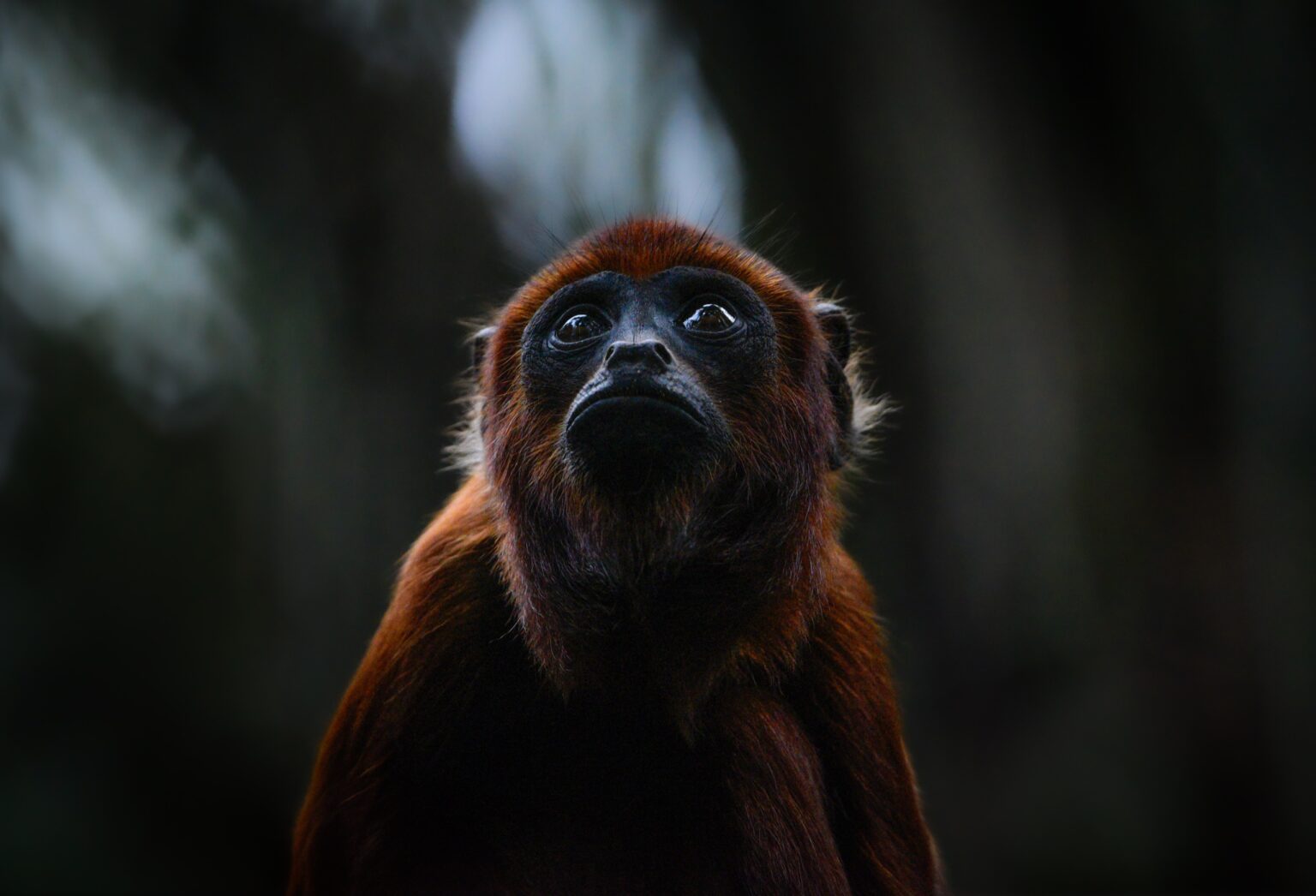
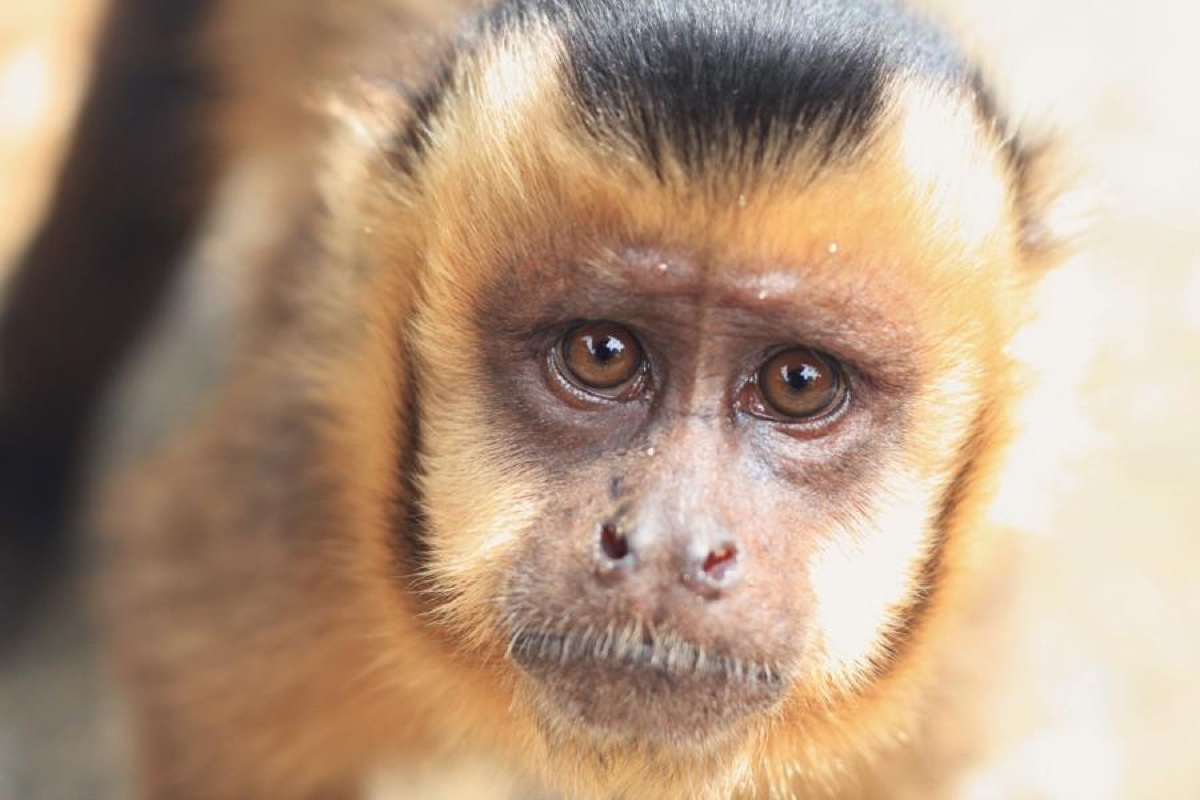
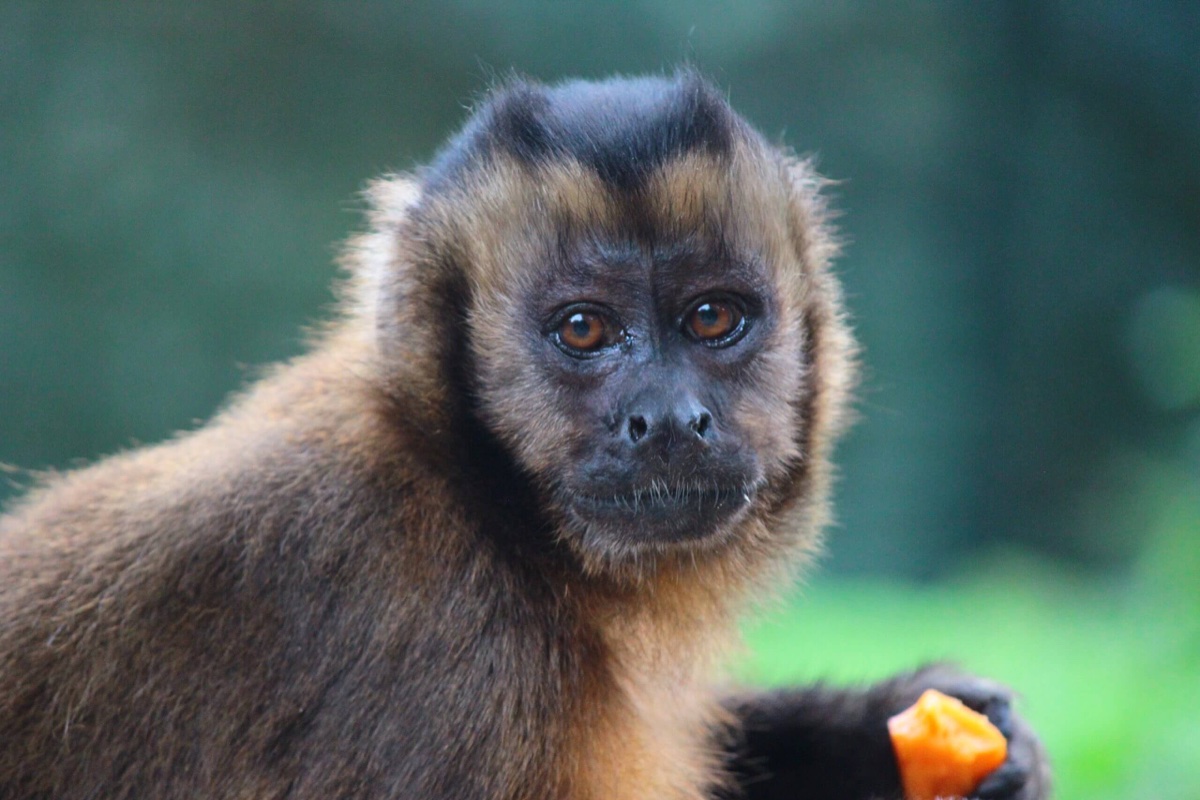
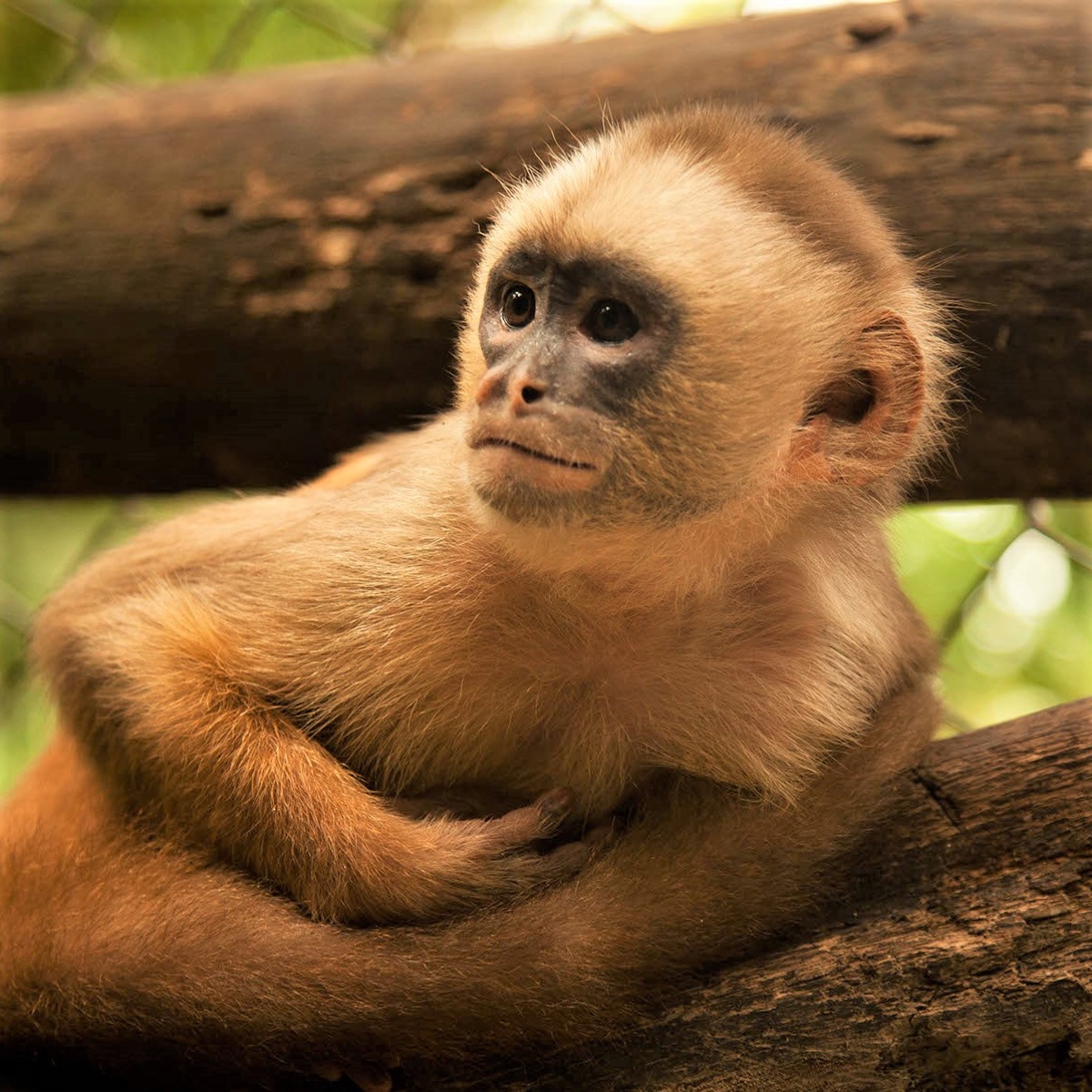
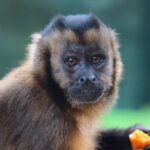
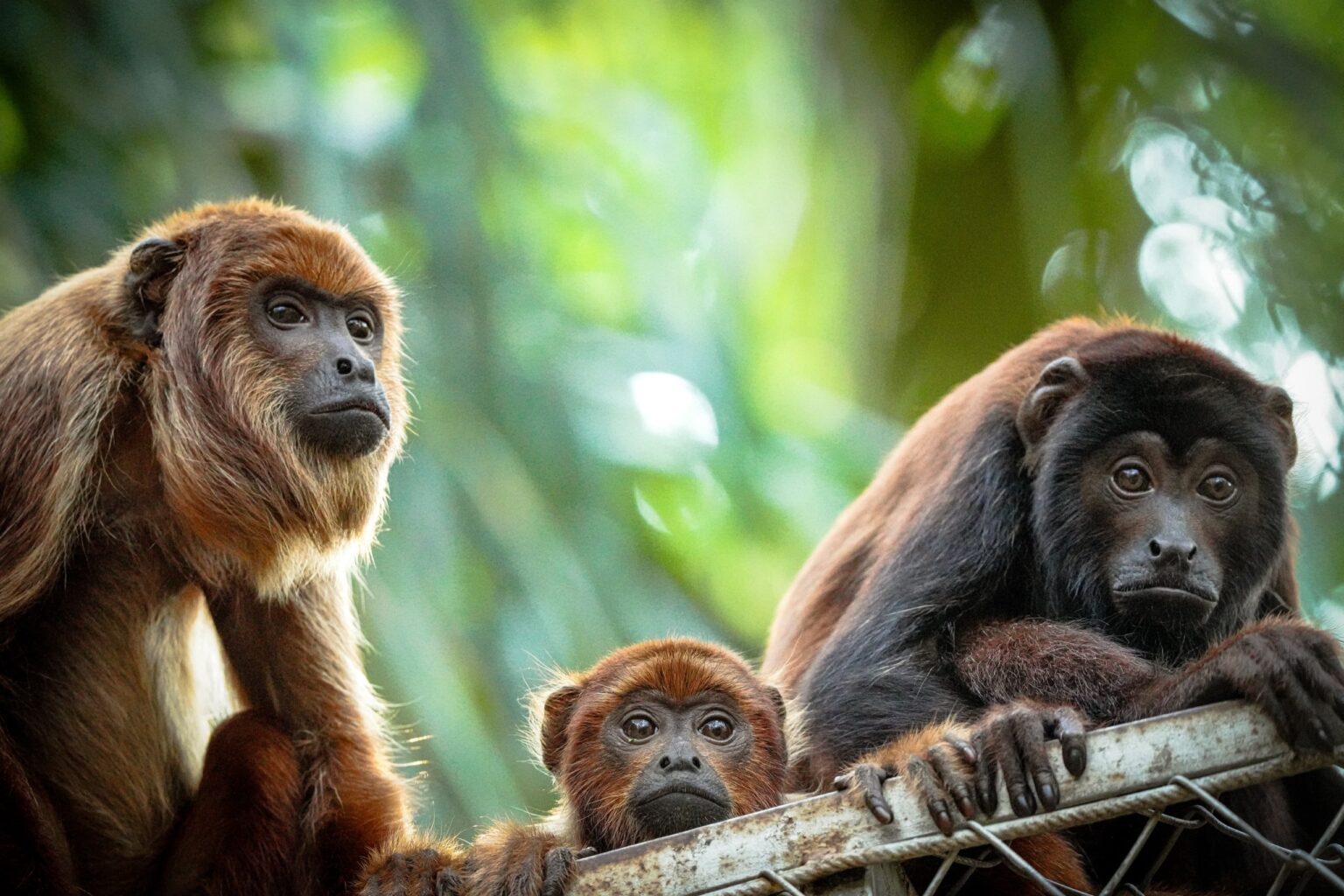
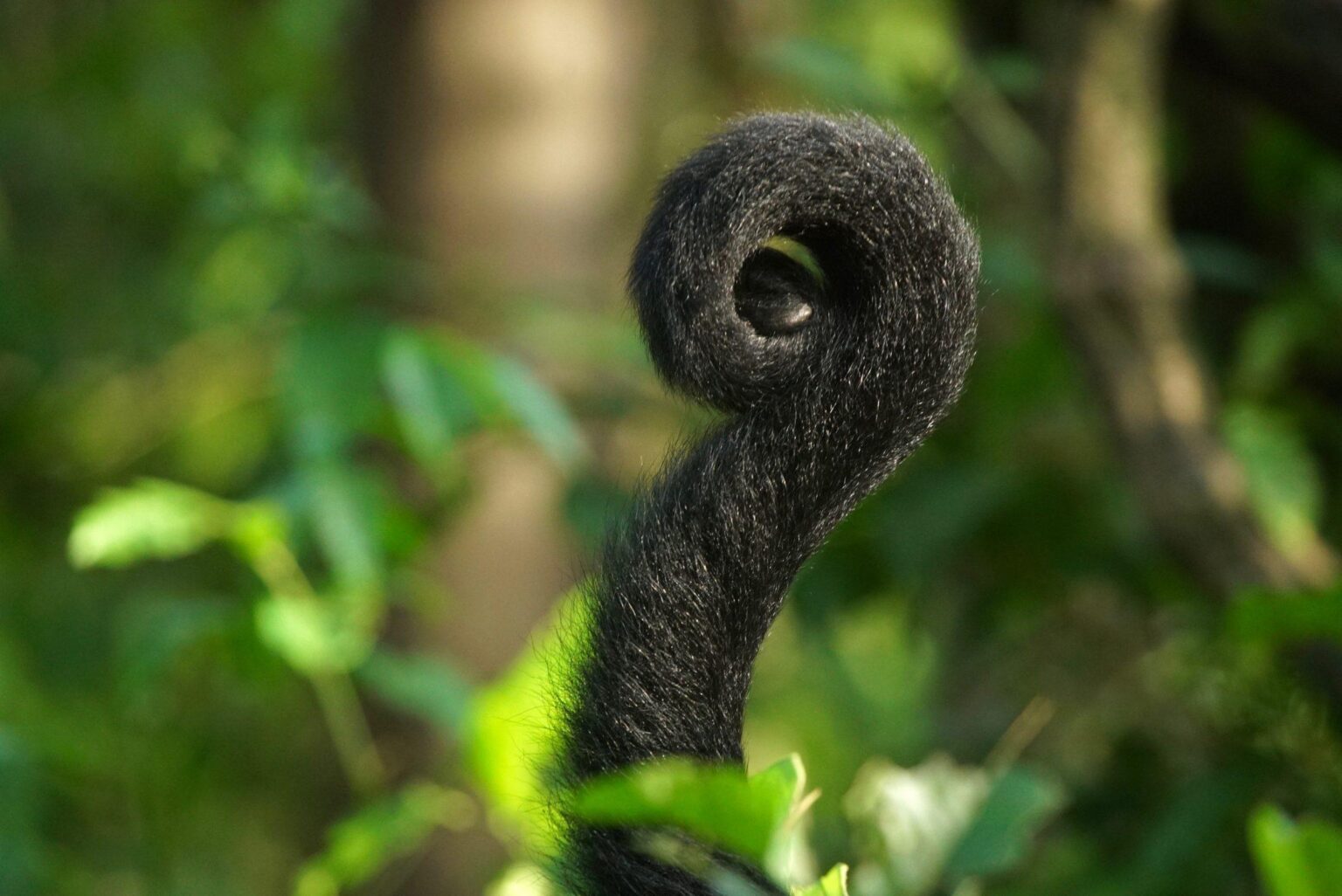
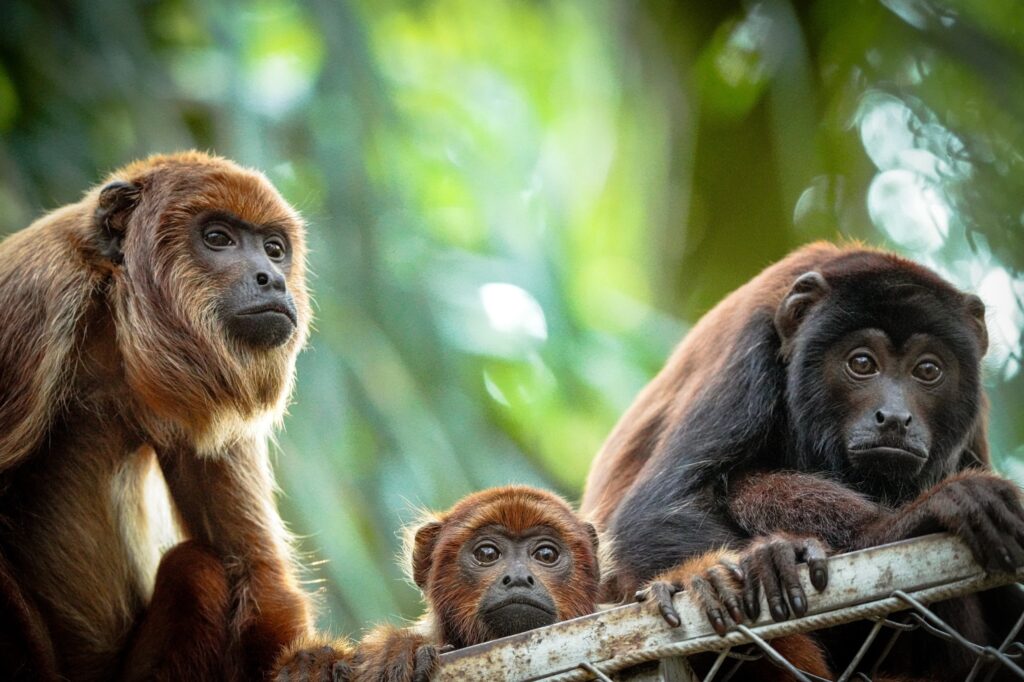
Through years of experience and commitment, CIWY has successfully rehabilitated and reintroduced a number of species, including capuchin monkeys, squirrel monkeys and howler monkeys. For social species, rehabilitation can include developing and practising essential survival skills together before they are released as groups.
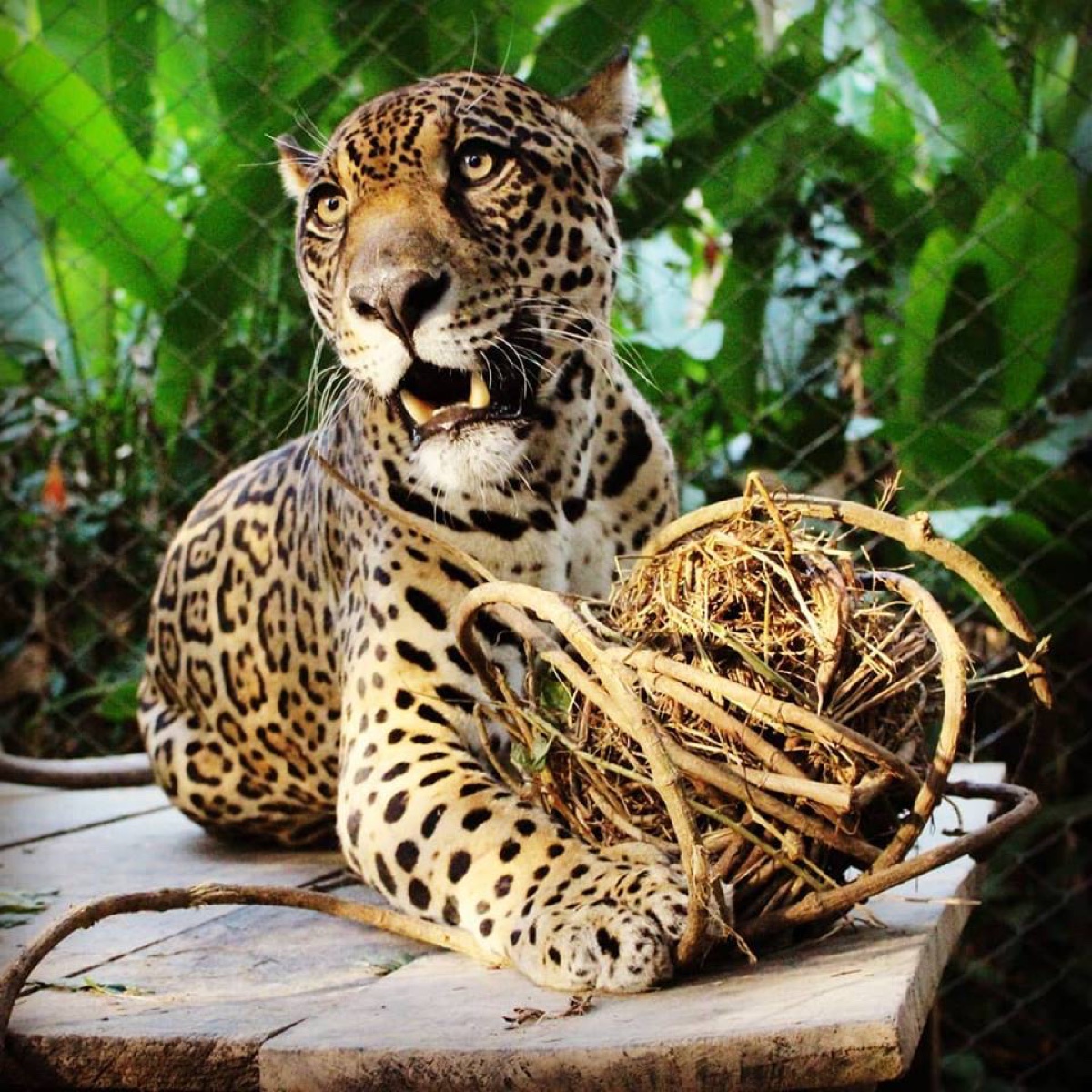
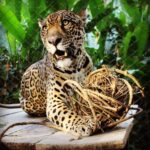
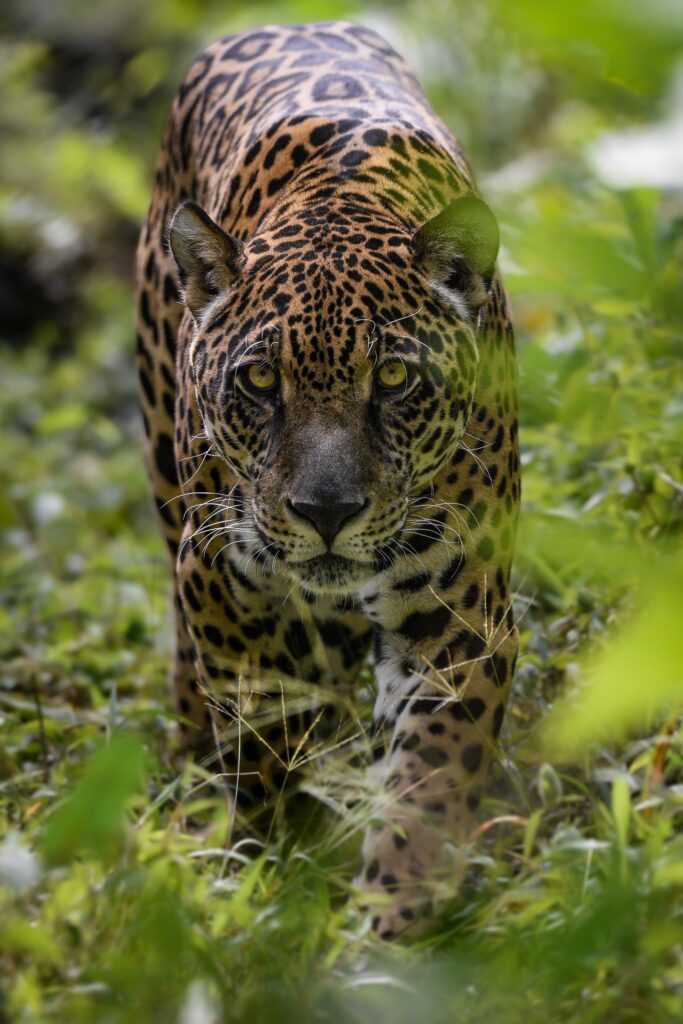
In 2026, CIWY successfully rehabilitated and released the first jaguar in Bolivia. Rescued as a young cub from the wildfires of 2024, she spent almost two years undergoing rehabilitation before being returned to the wild in June 2026.
Support CIWY’s work to rehabilitate animals for release where possible, and provide lifelong care for those who cannot return to the wild.