Skip to content

Volunteering with CIWY

Conservation work in the Bolivian Amazon — choose your sanctuary and become part of the CIWY family.

Watch the film

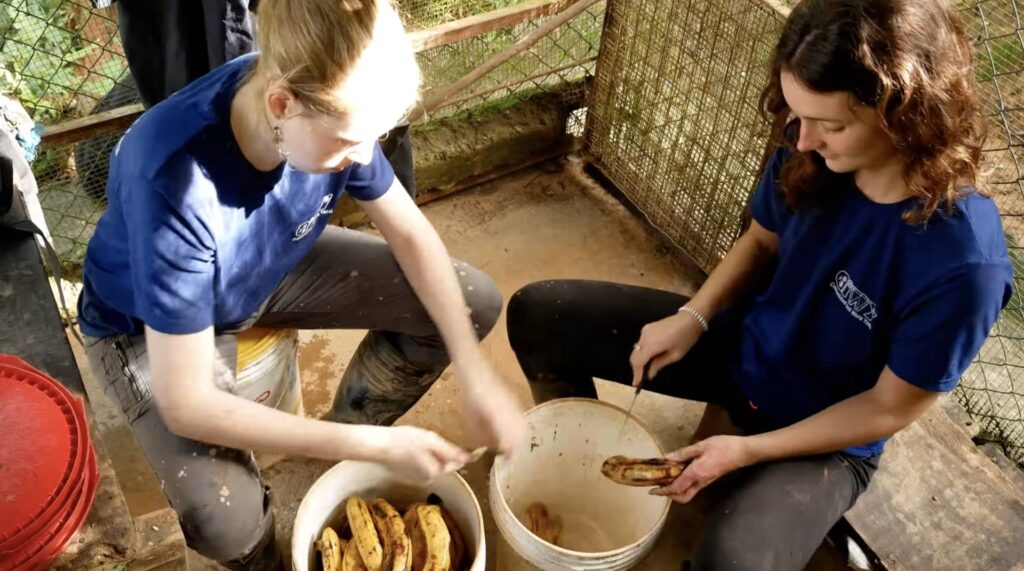
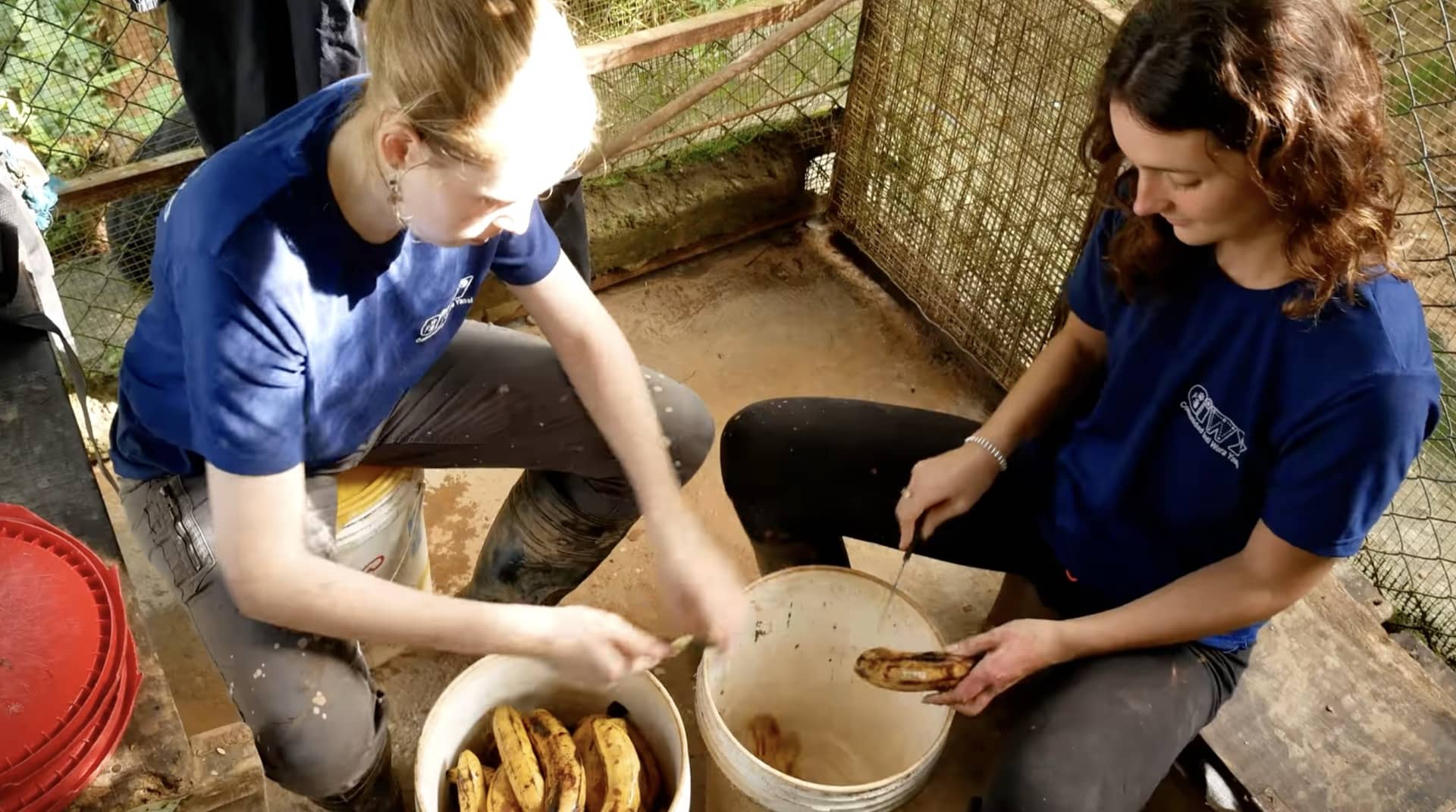
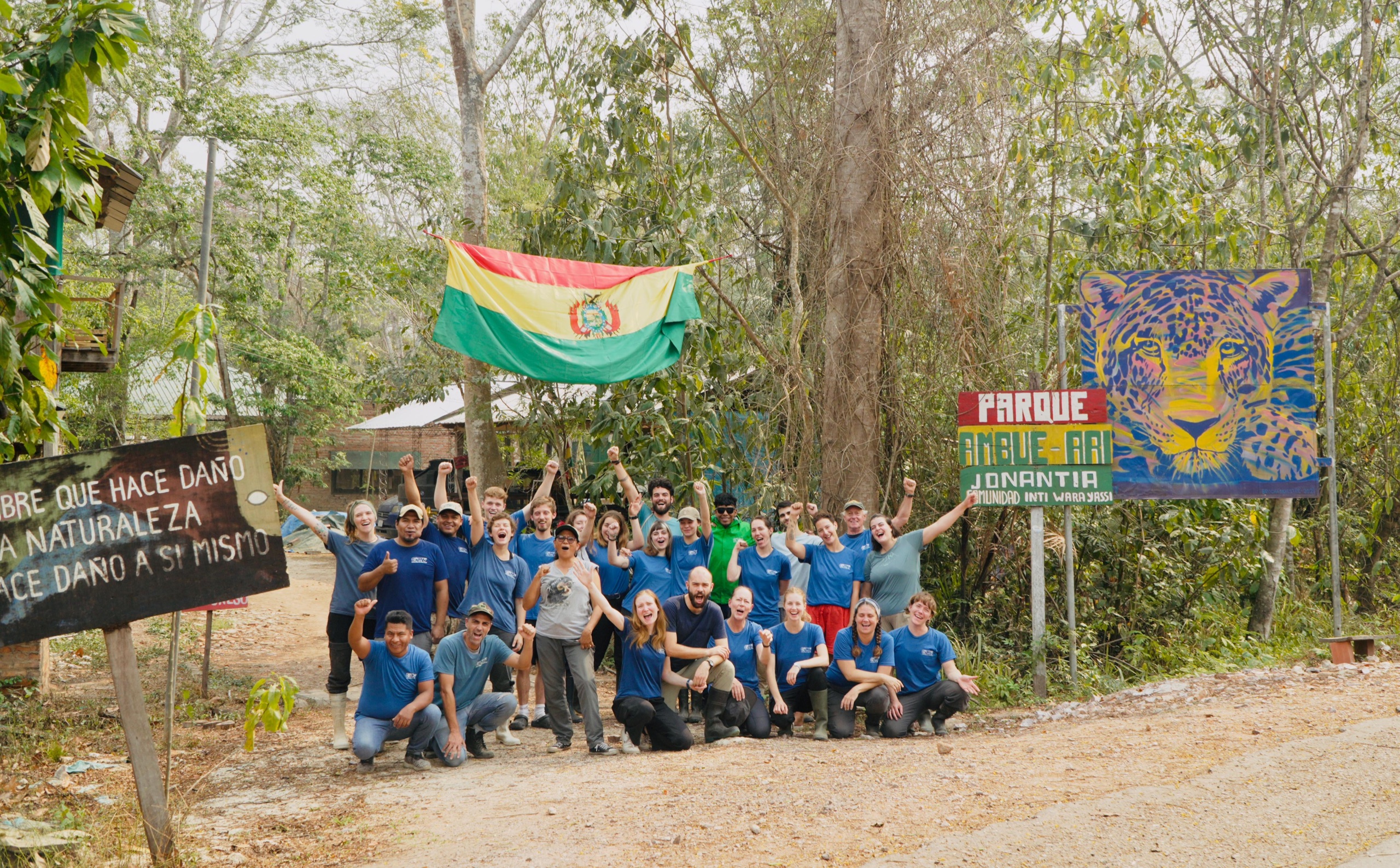
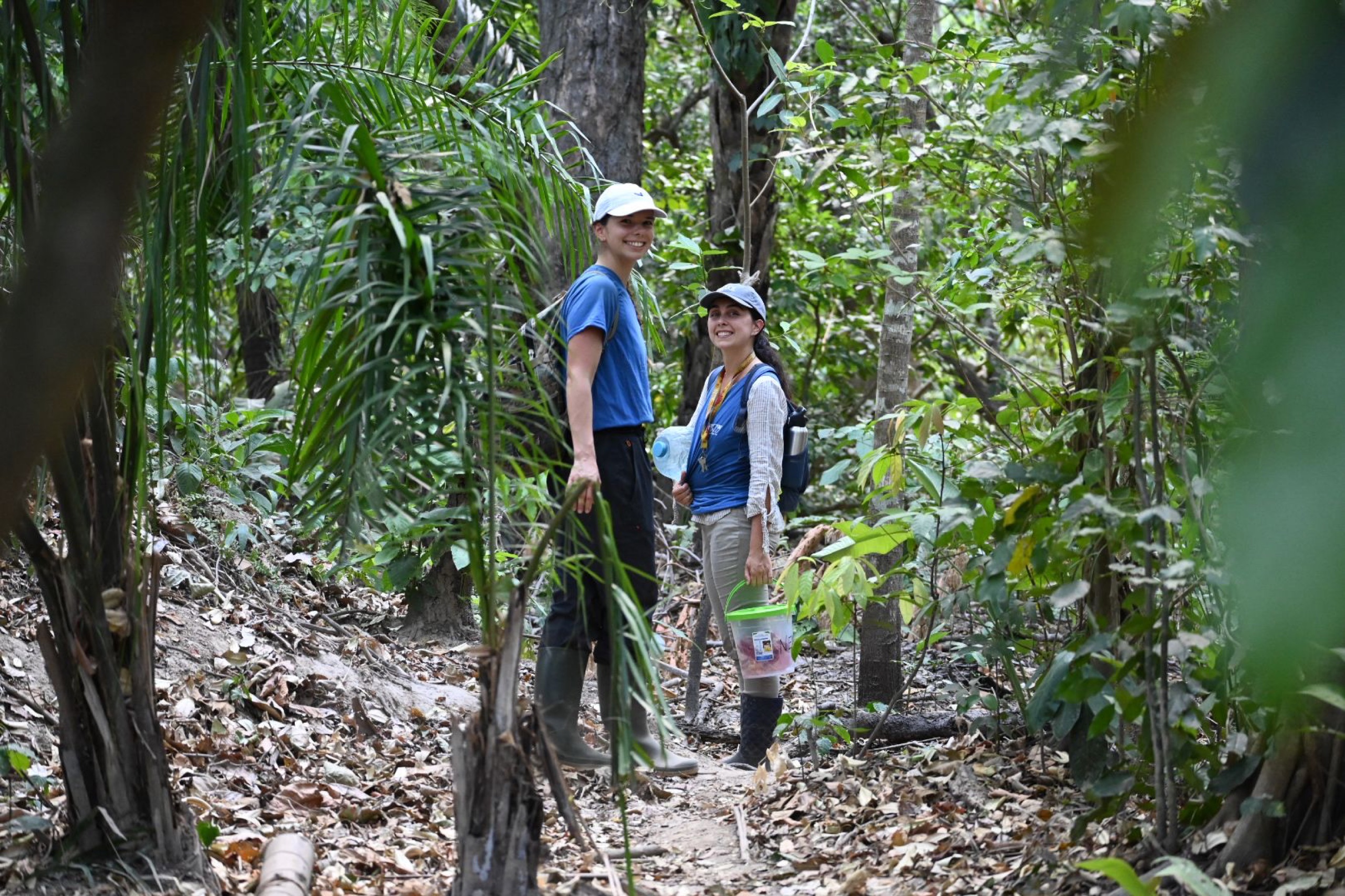
Volunteering with CIWY is hard work but incredibly rewarding.

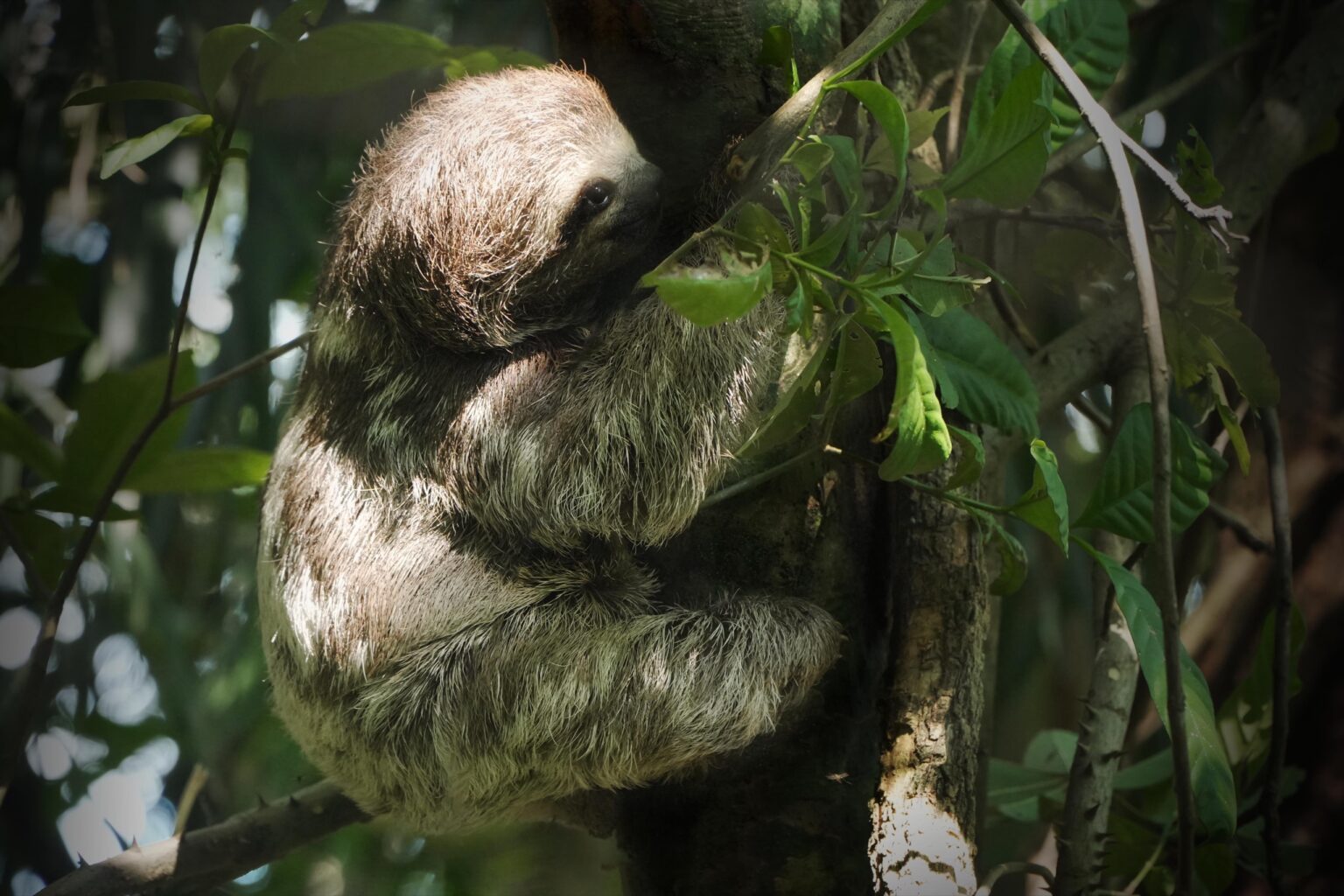
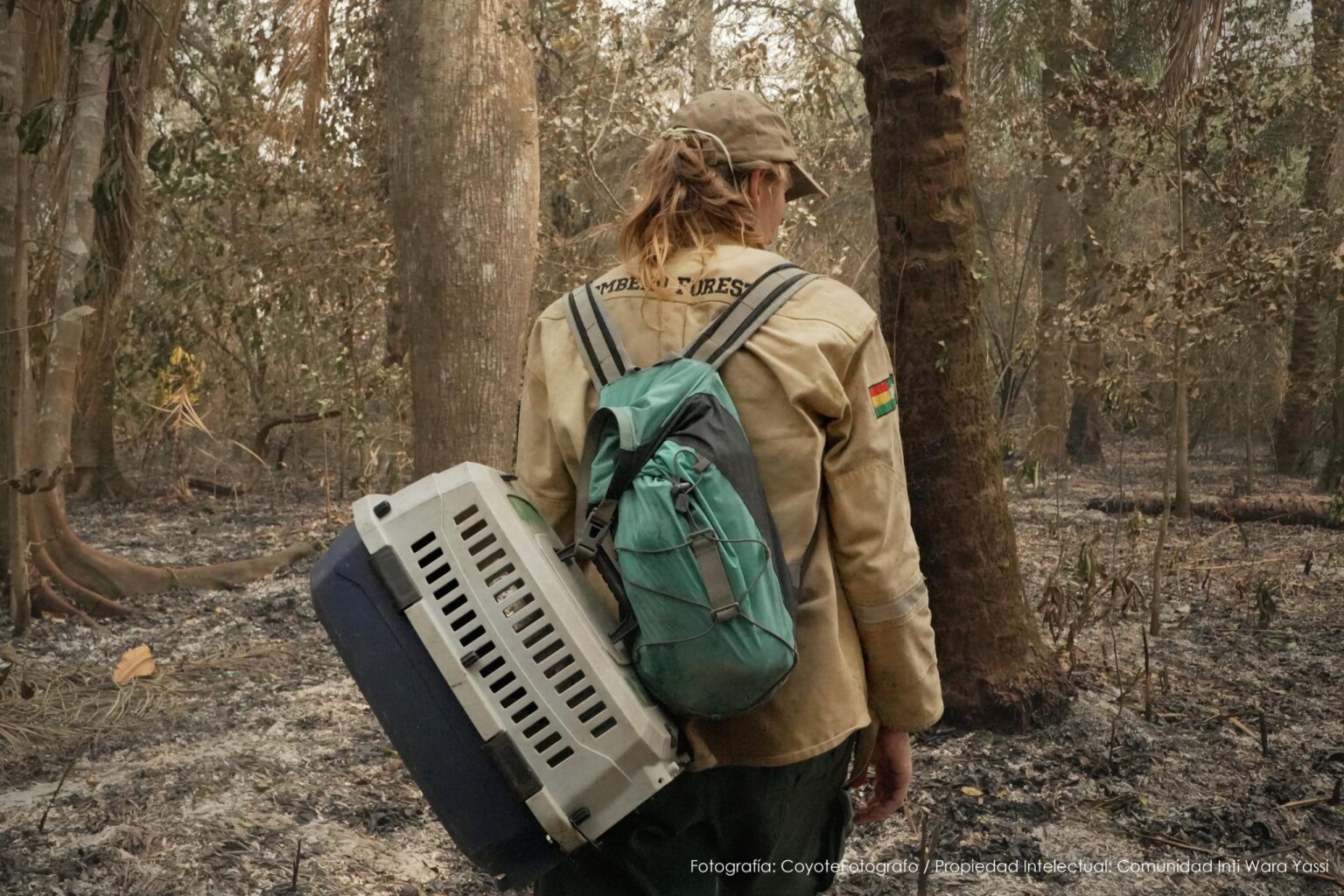
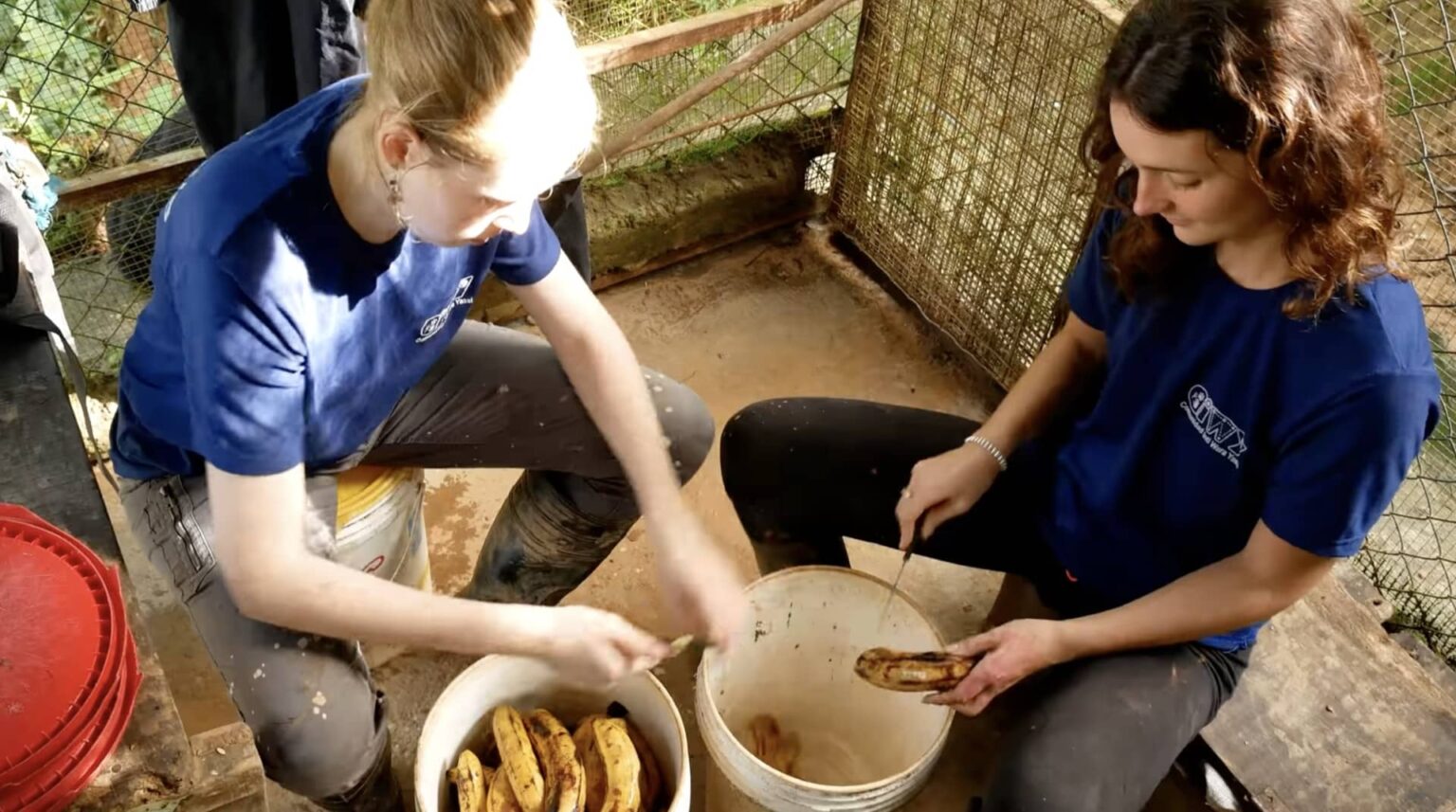
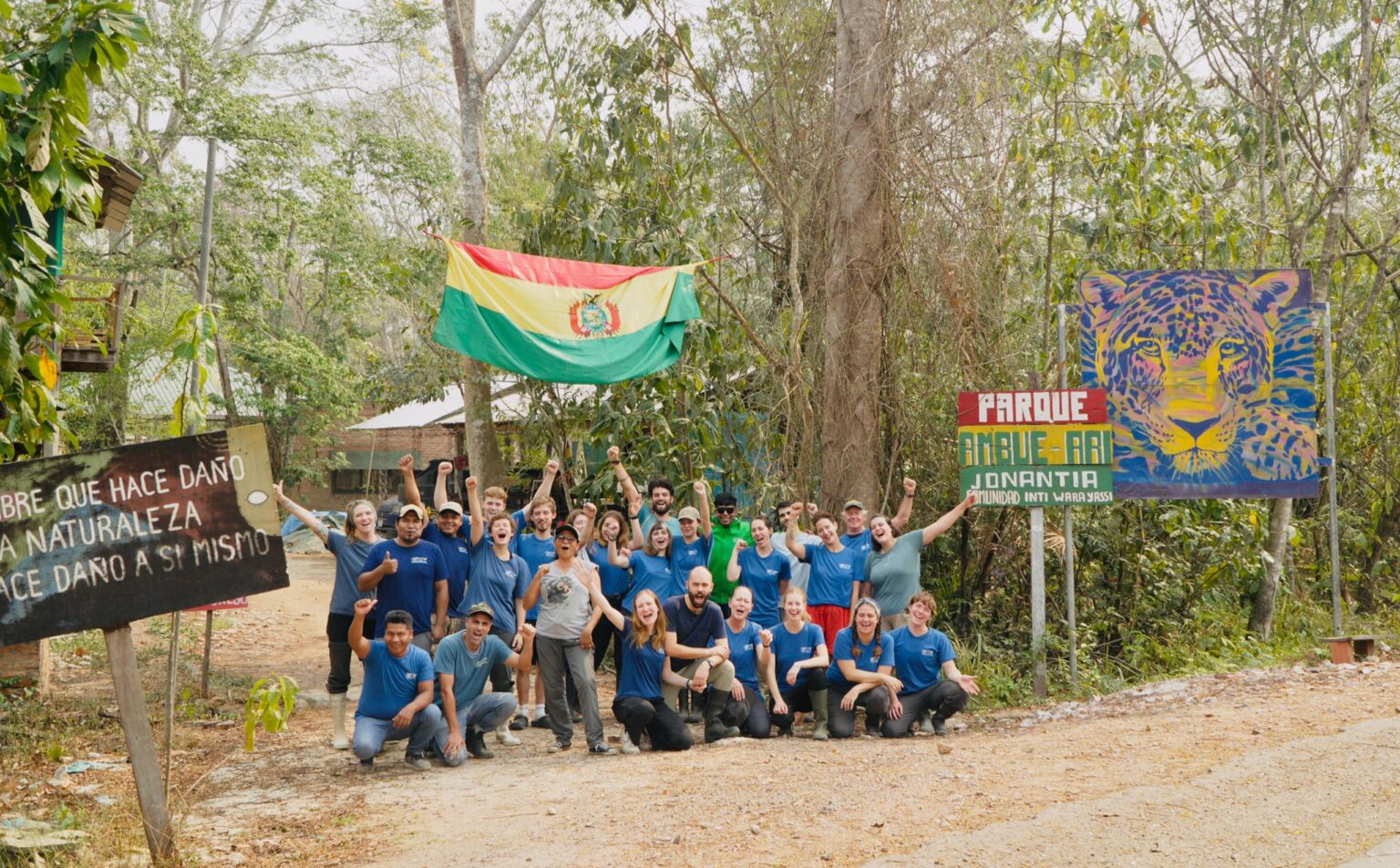
You’ll live close to nature in the Amazon rainforest, care for rescued wildlife, and support their rehabilitation and well-being. It’s a unique opportunity to make friends from around the world and create lasting memories.

Choose Your Sanctuary

Two sanctuaries, two very different settings. Work areas, facilities, costs and directions are on each sanctuary’s own page.

Felines & birds

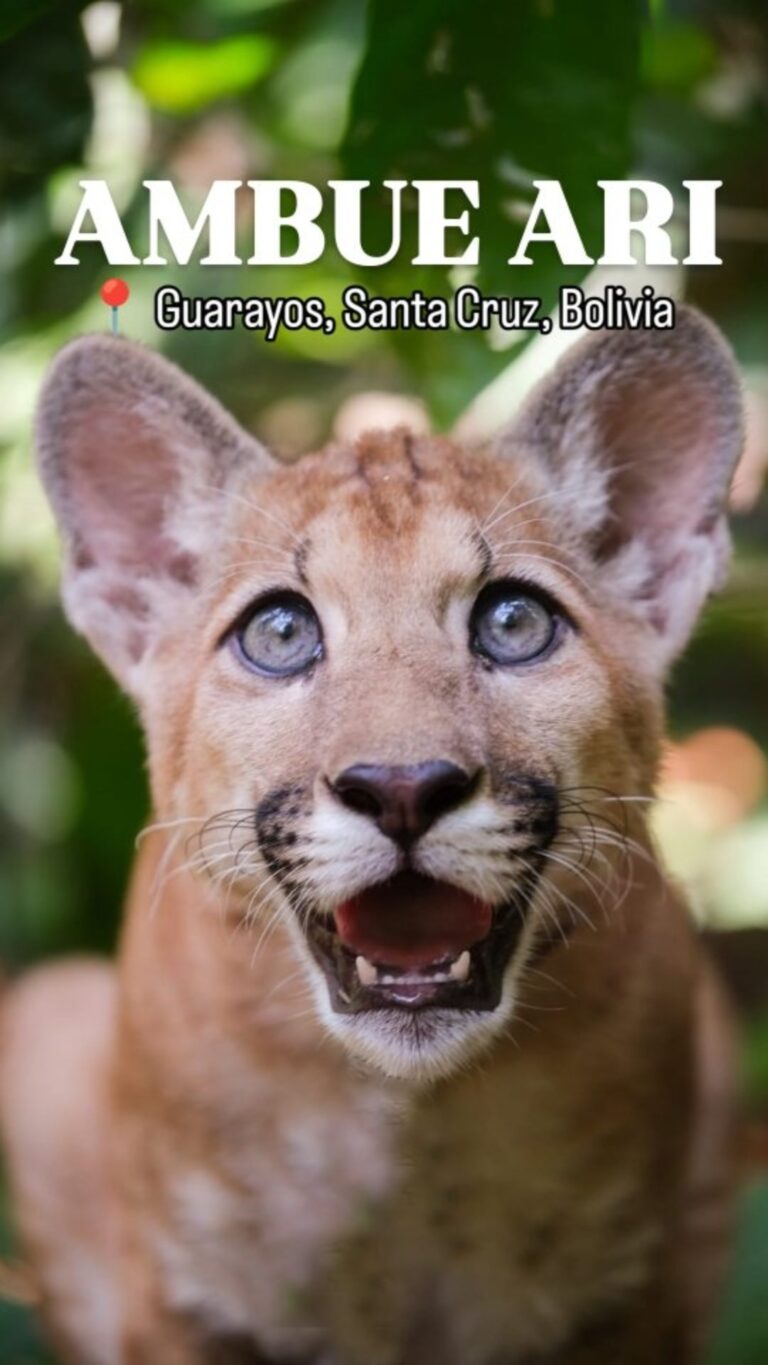
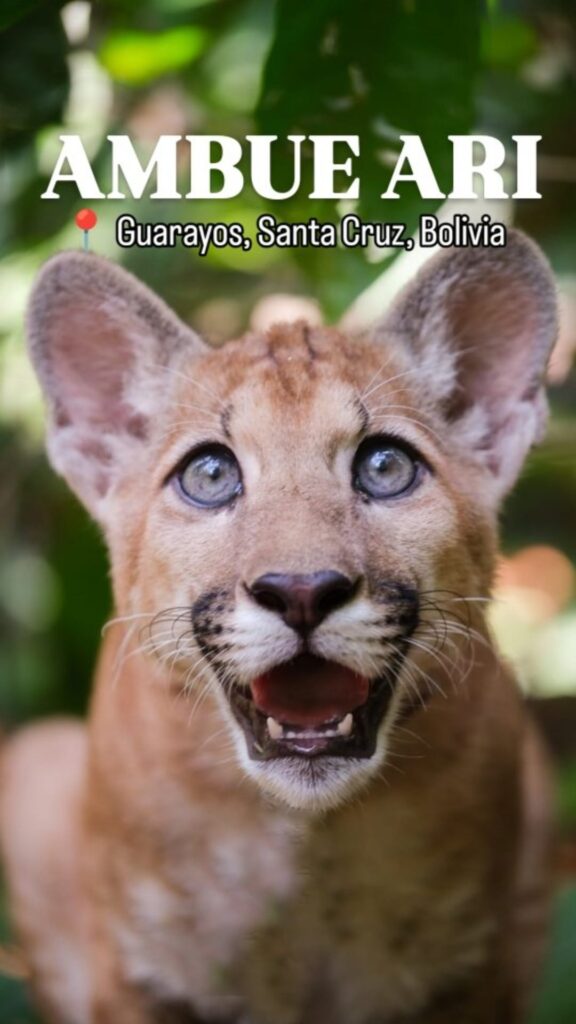
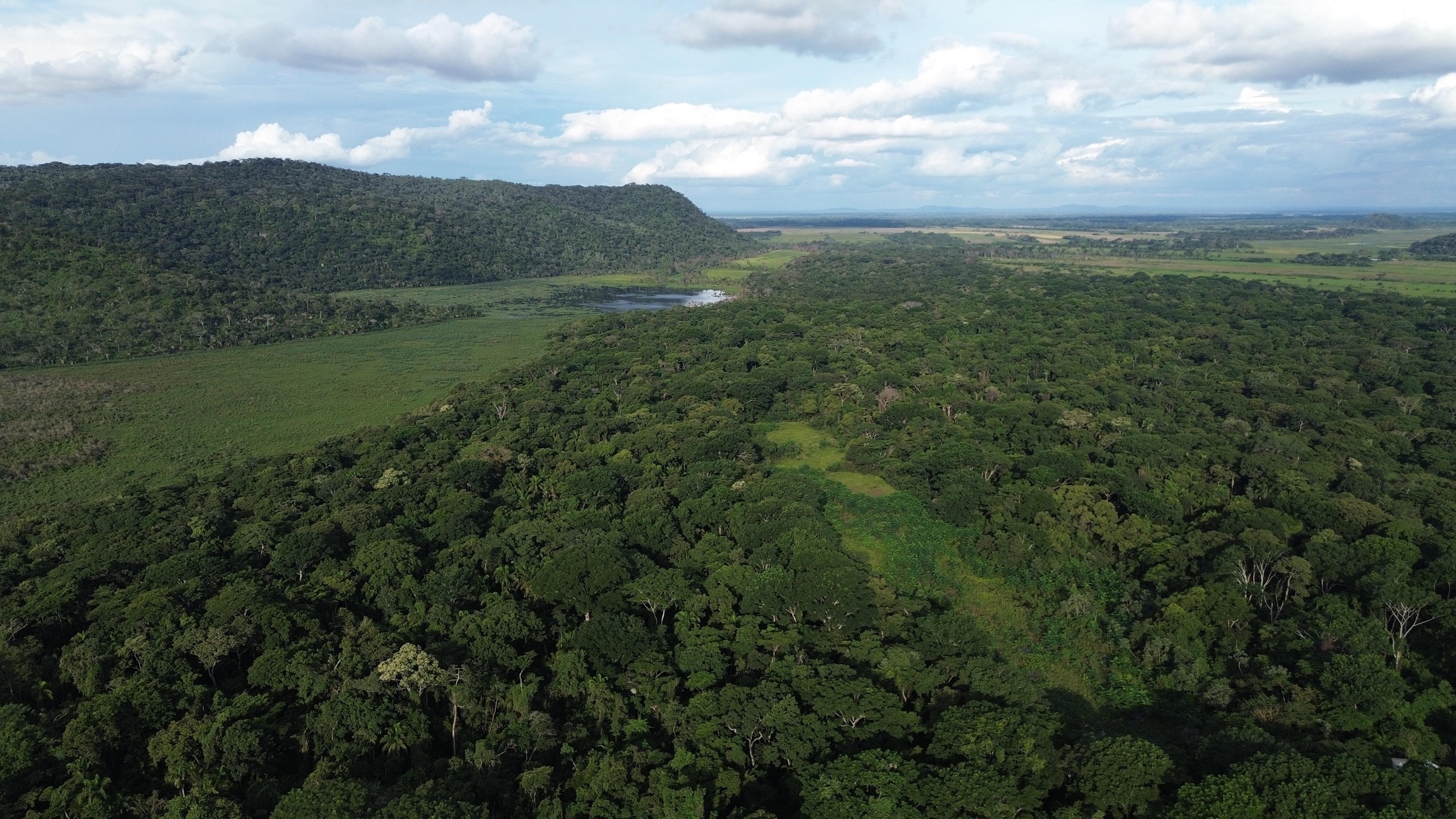
Ambue Ari Wildlife Sanctuary

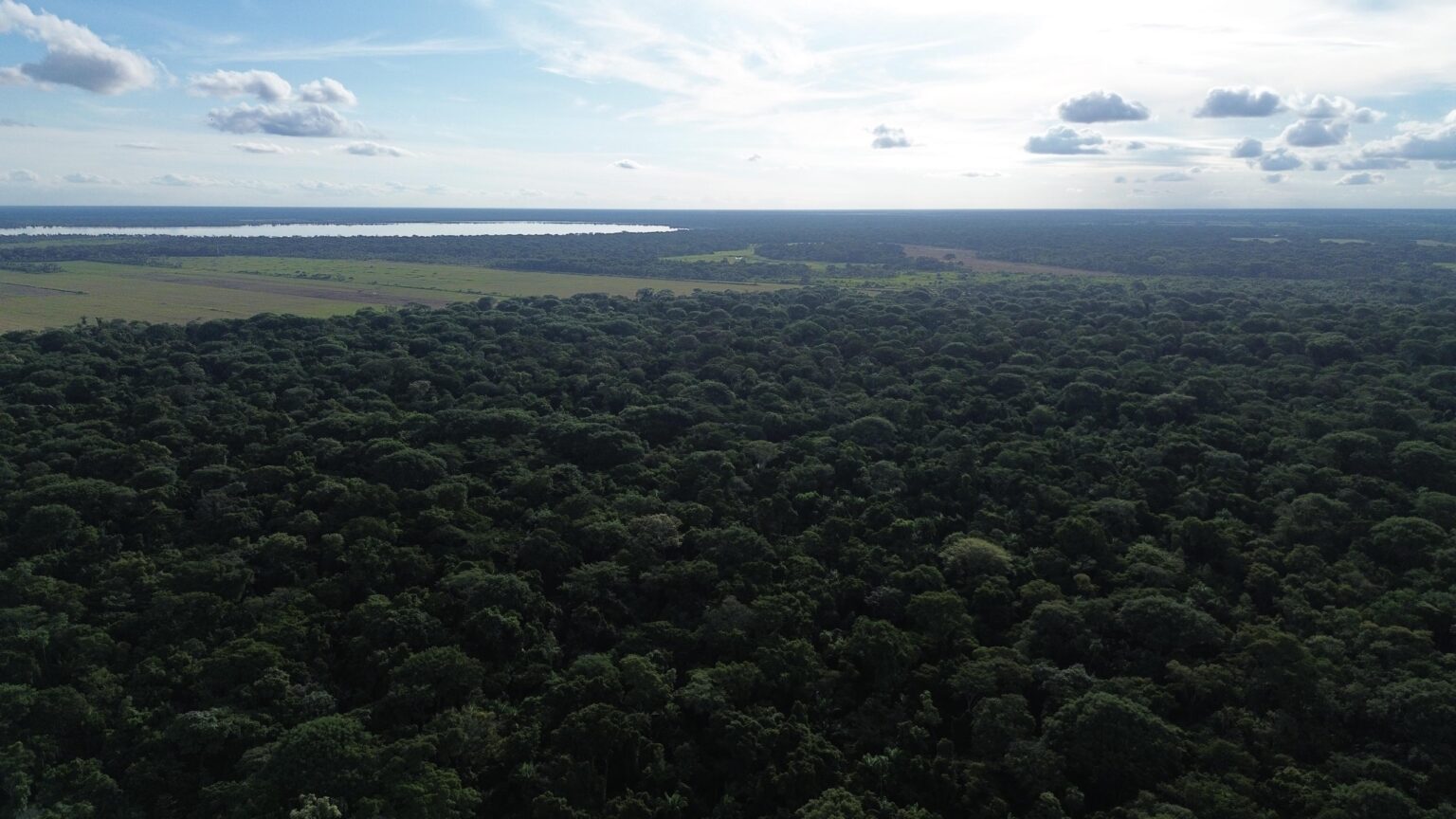
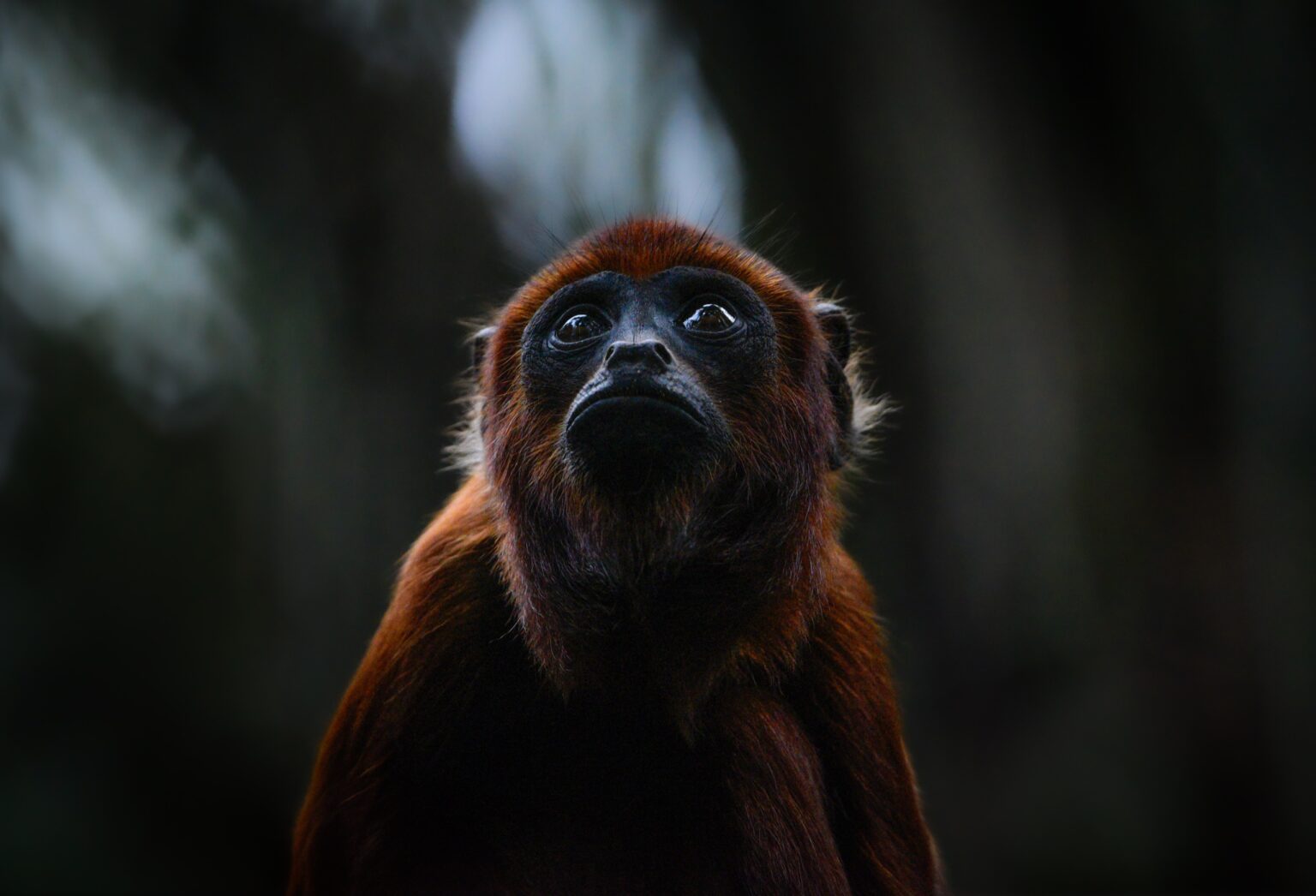
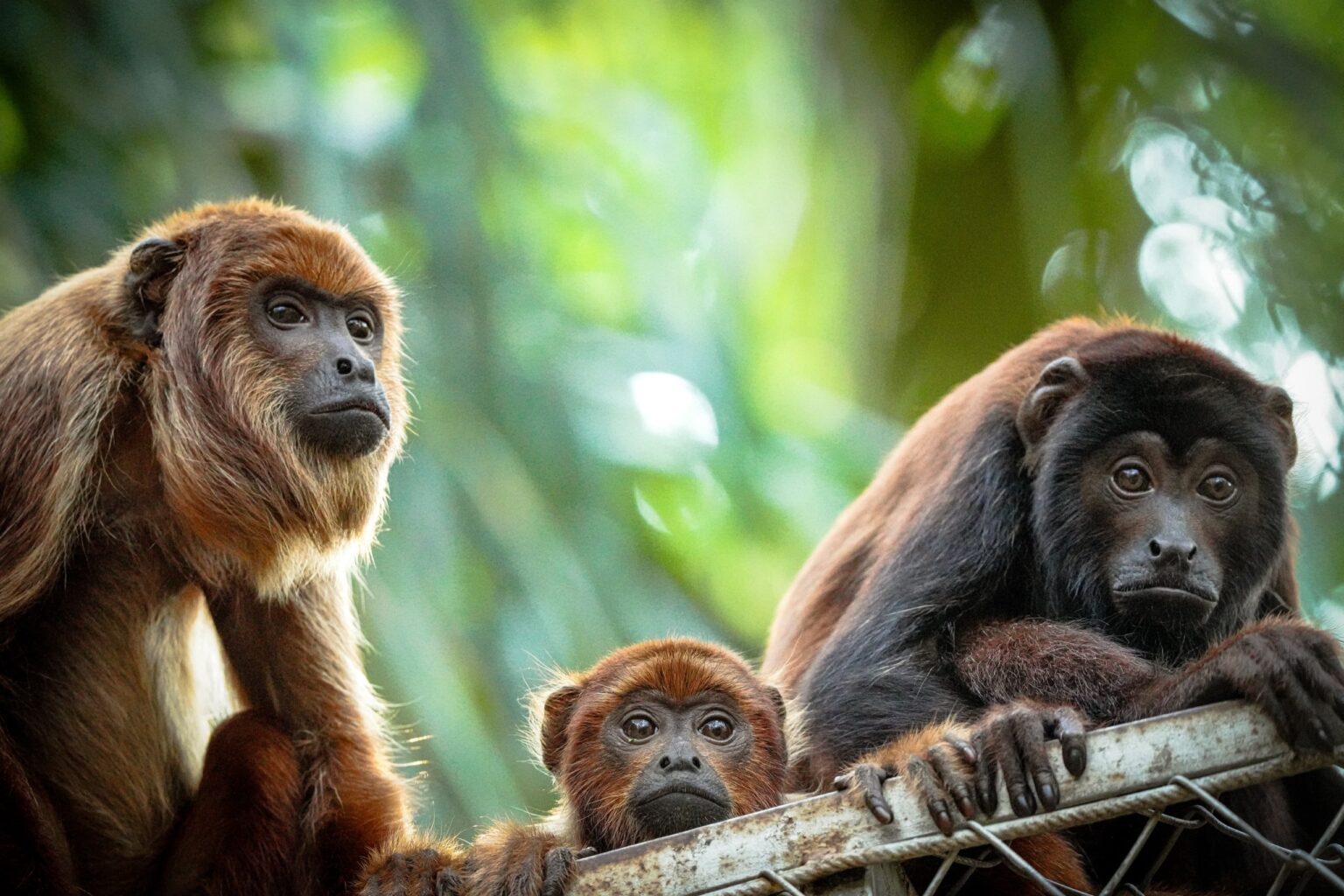
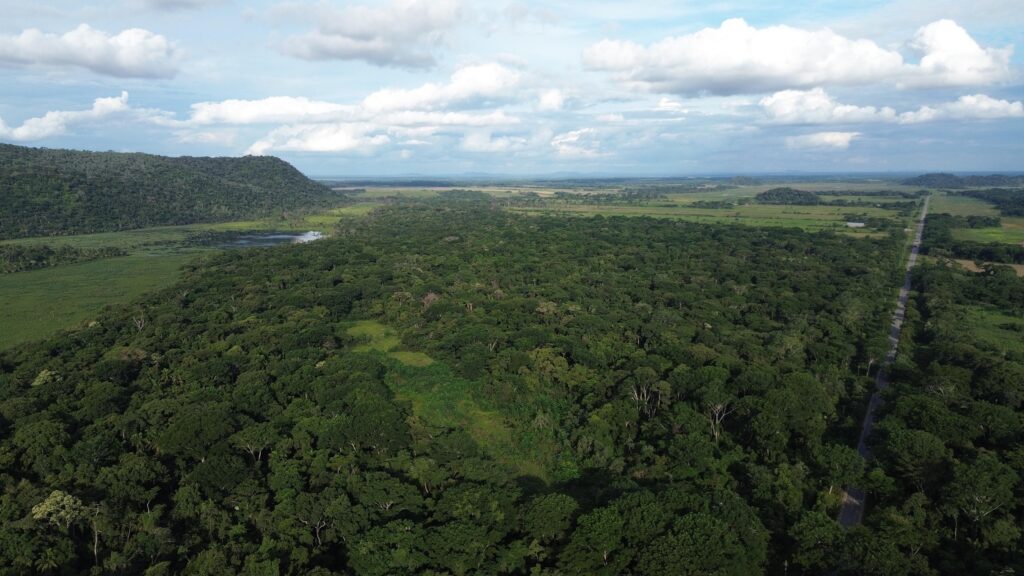
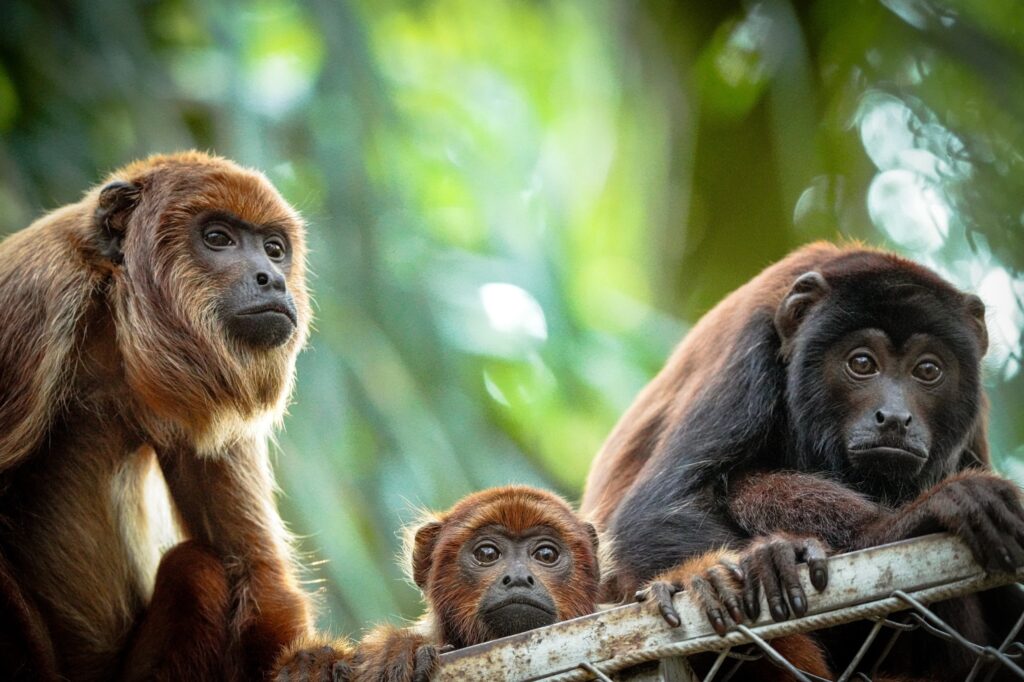
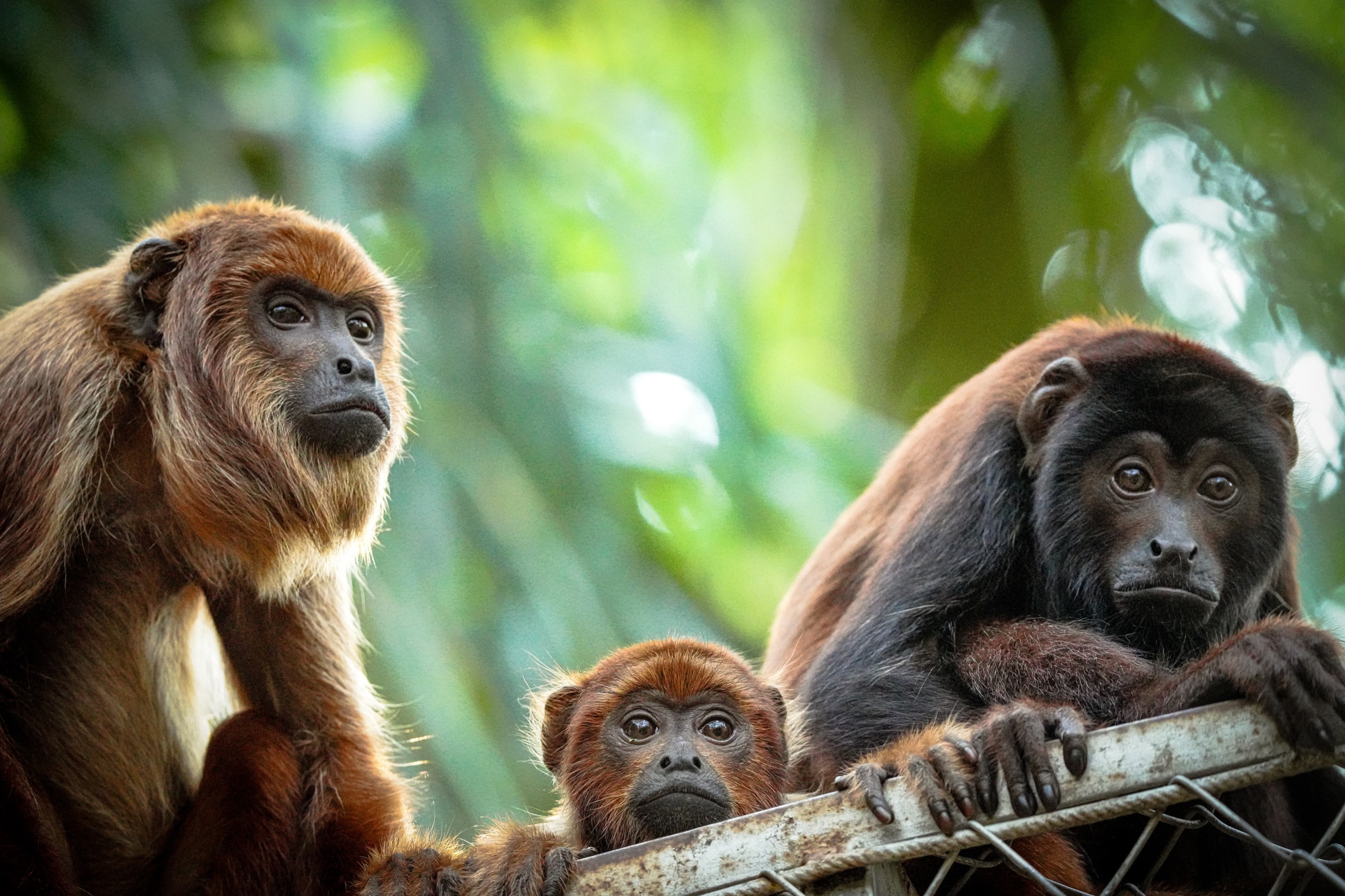
1,000 hectares of flooded Amazonian forest in the middle of the jungle. Here you will wake to the sounds of wild howler monkeys to say good morning.

Animals
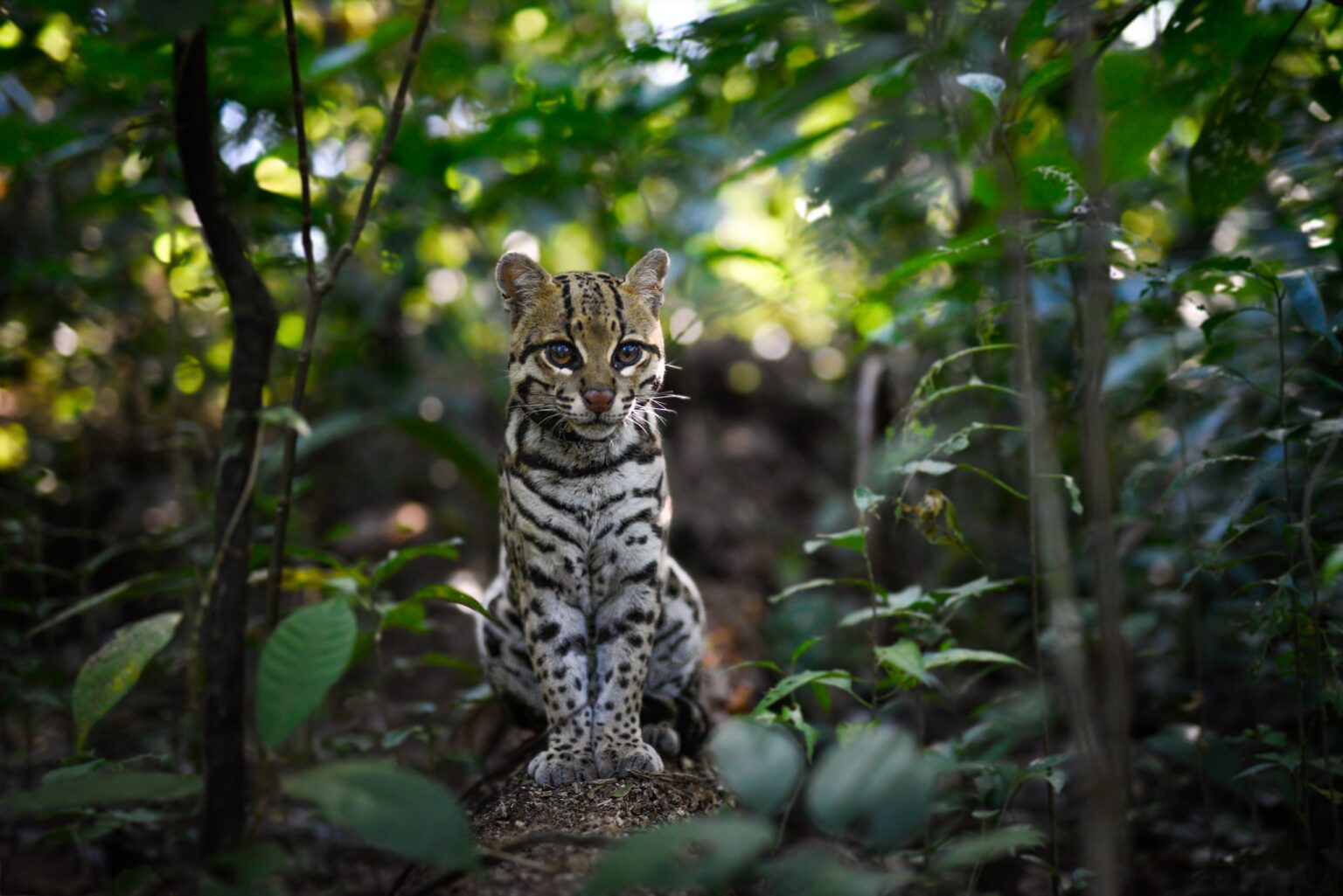
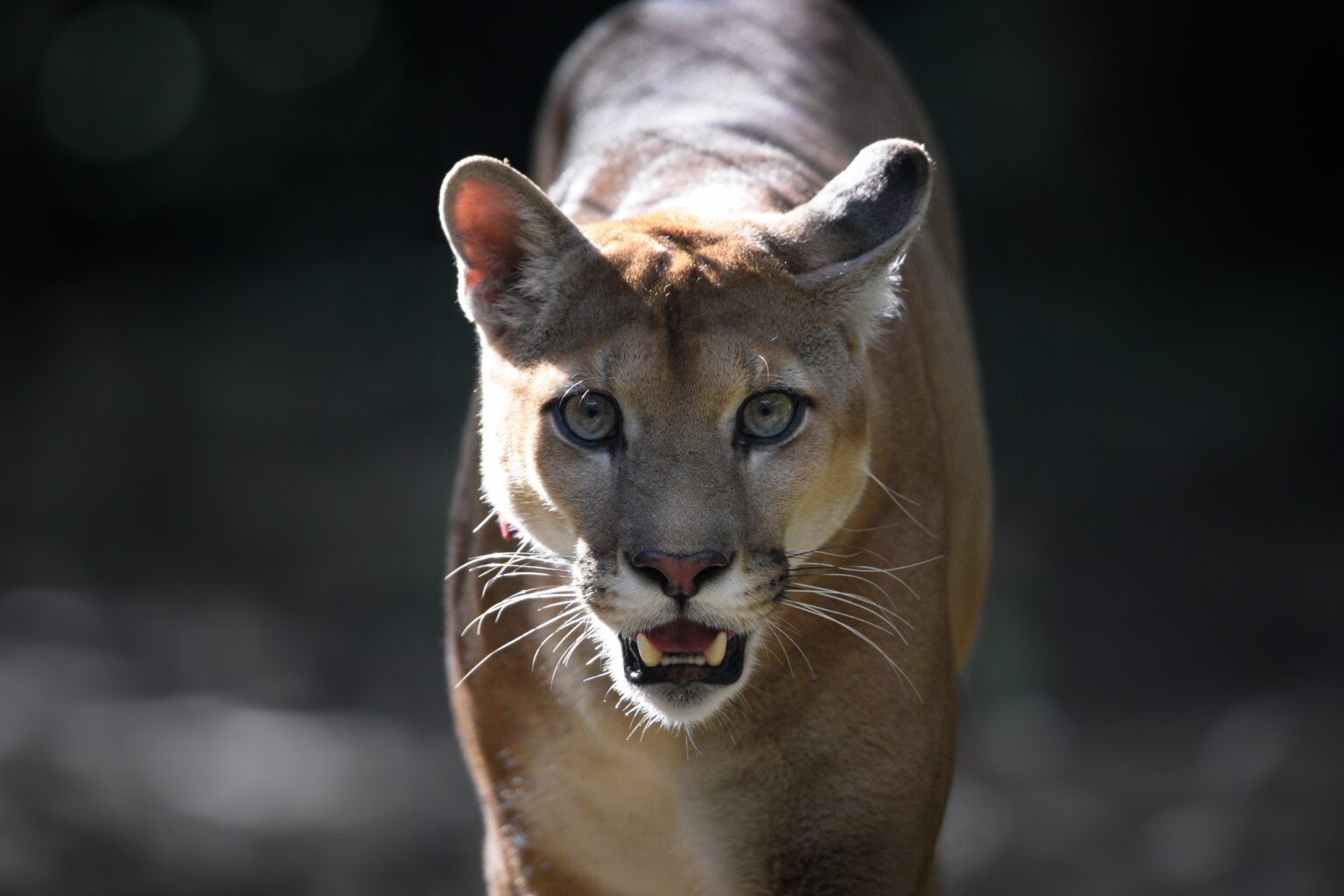
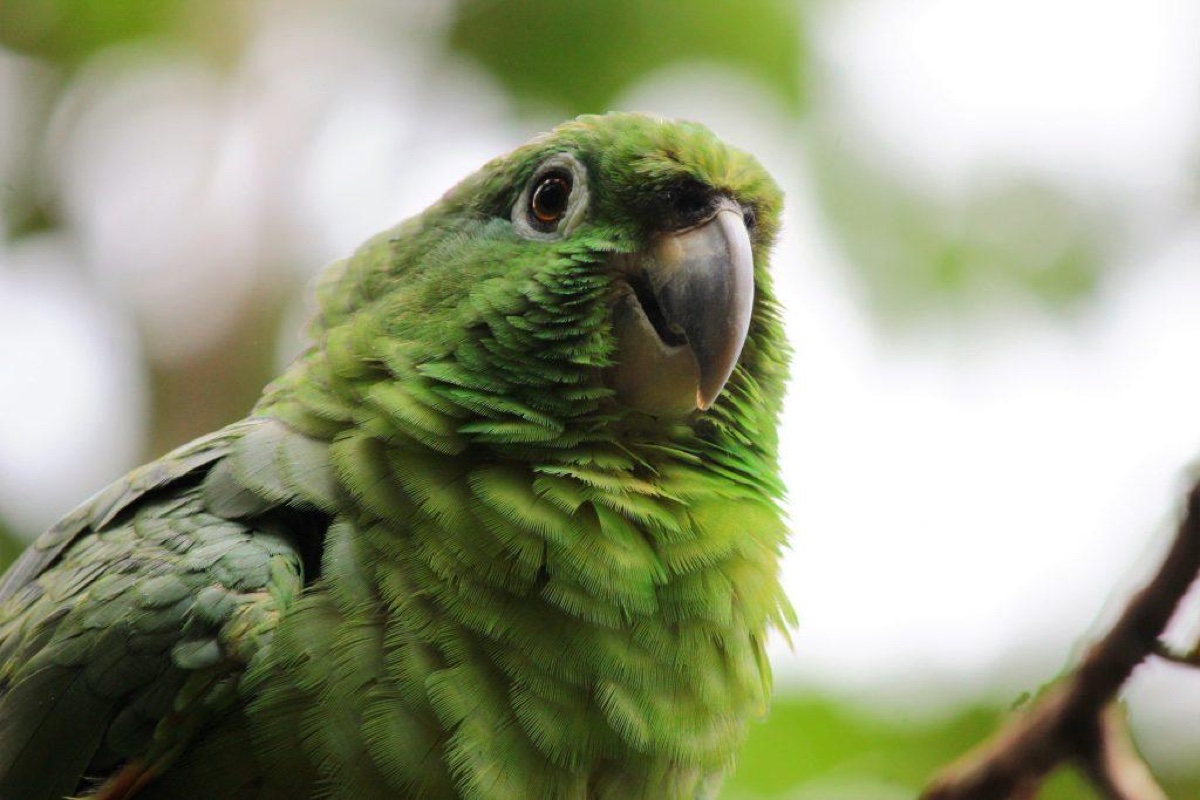
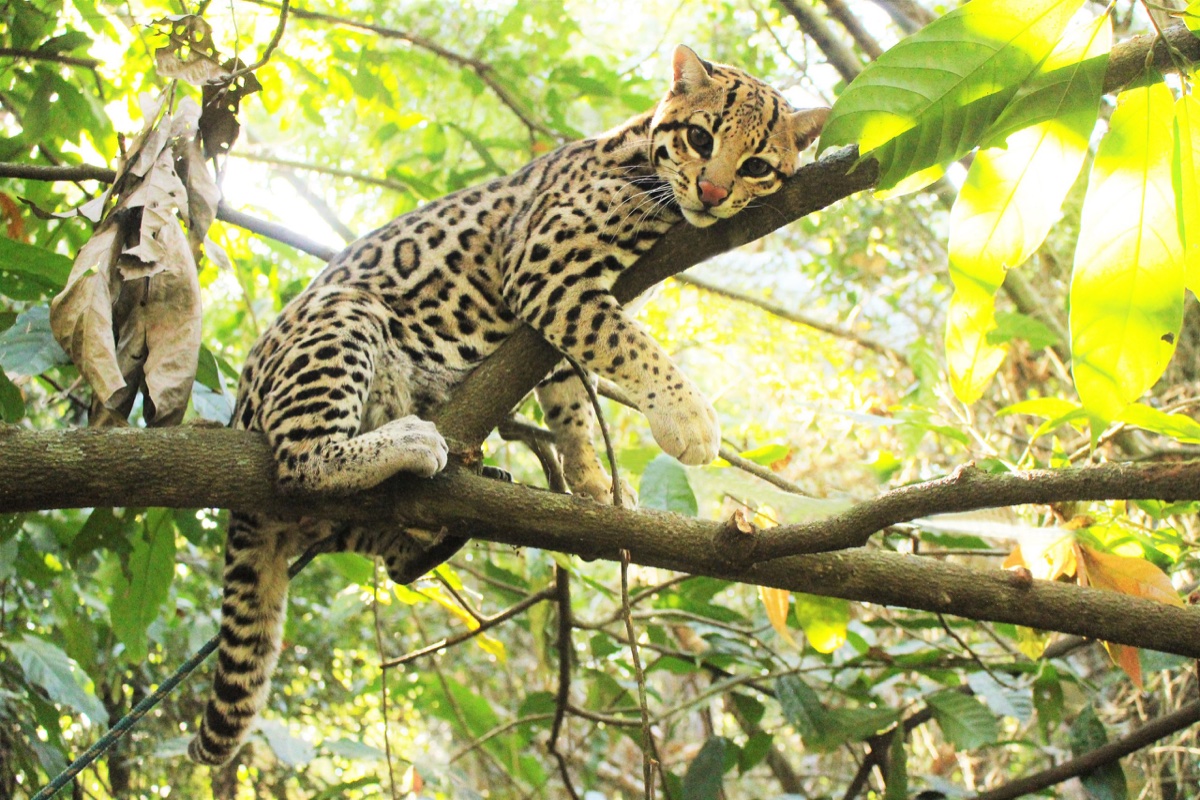
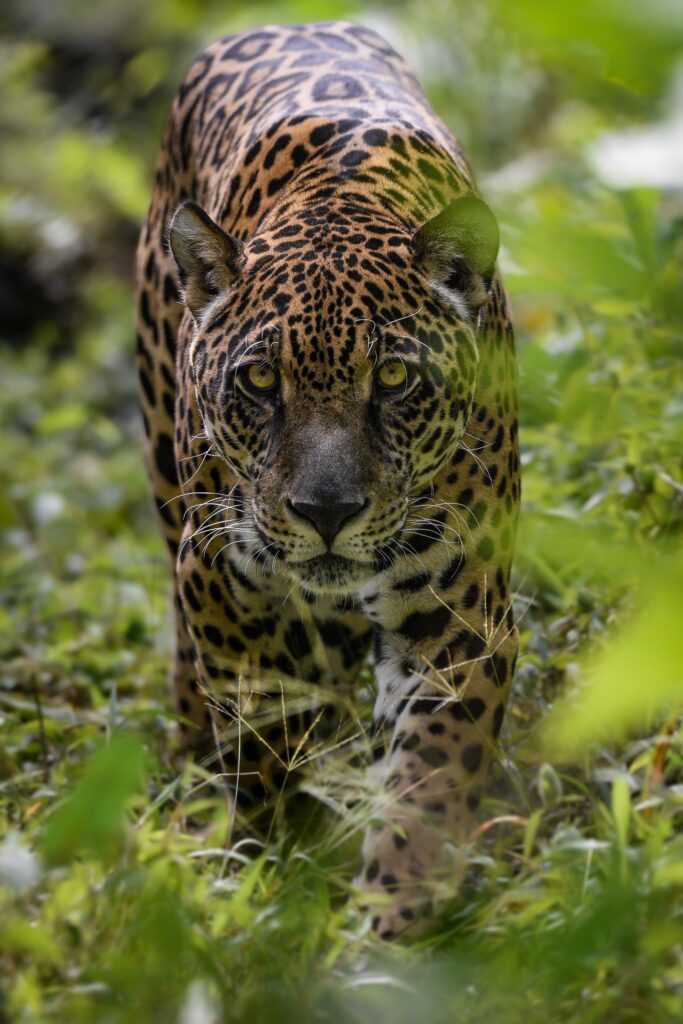
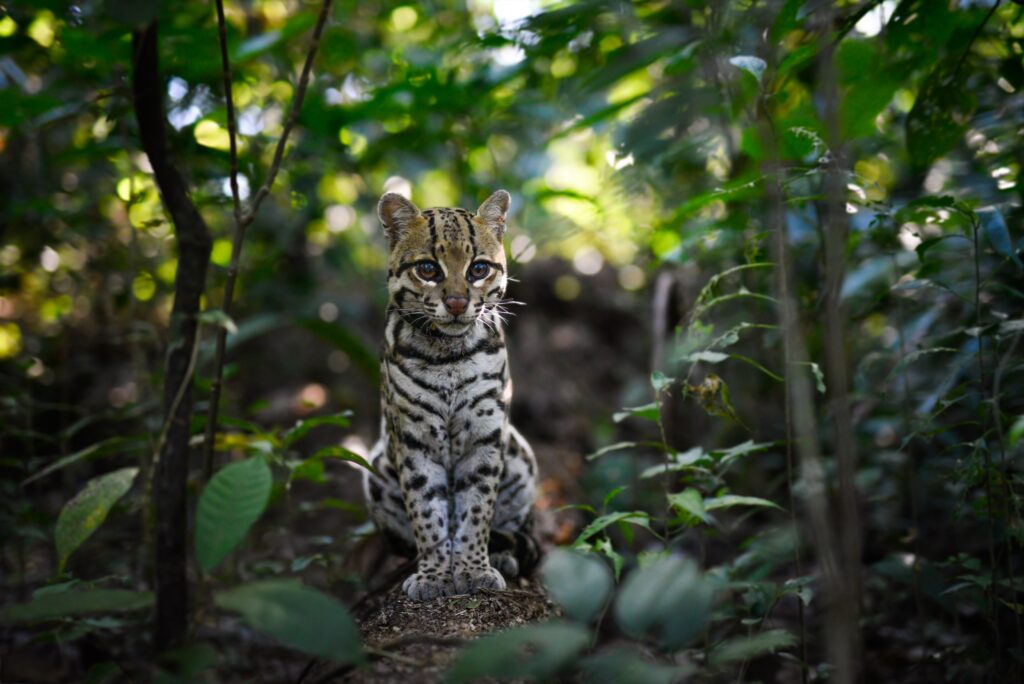
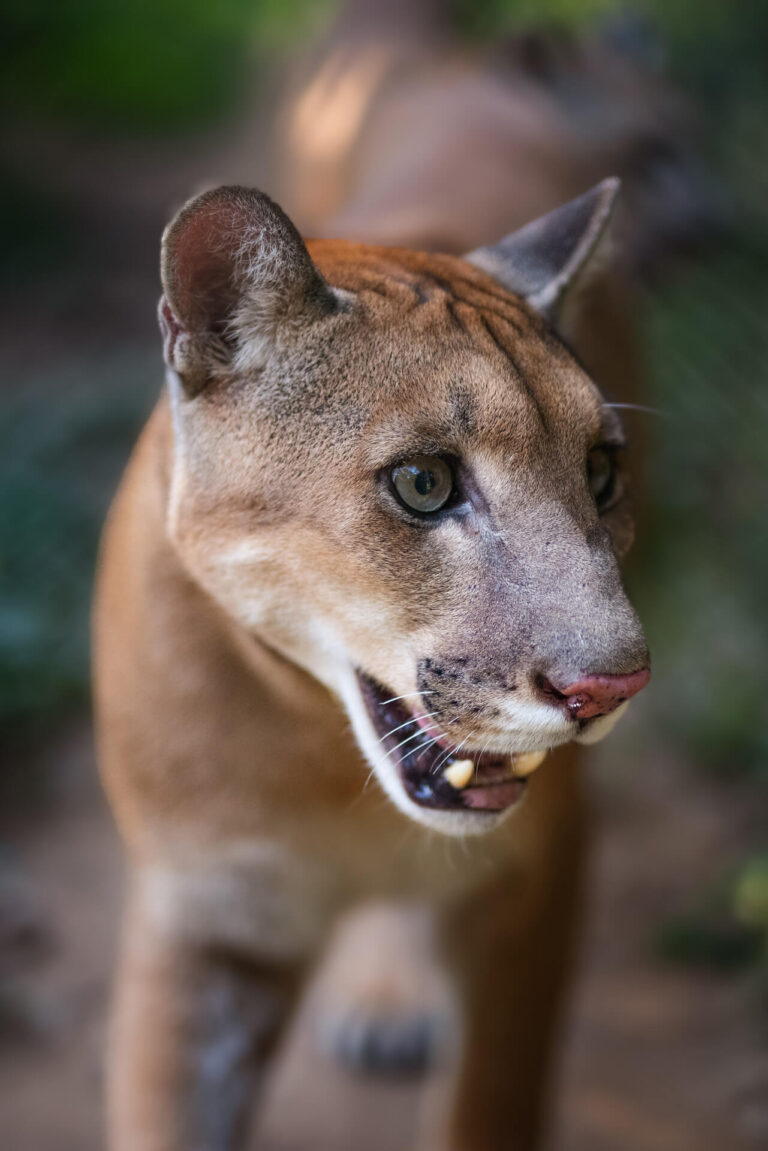
Felines, birds, coatis, peccaries, howler and night monkeys
Minimum stay
15 to 30 nights, depending on the animals
Packages
from $430 for 15 days
Location
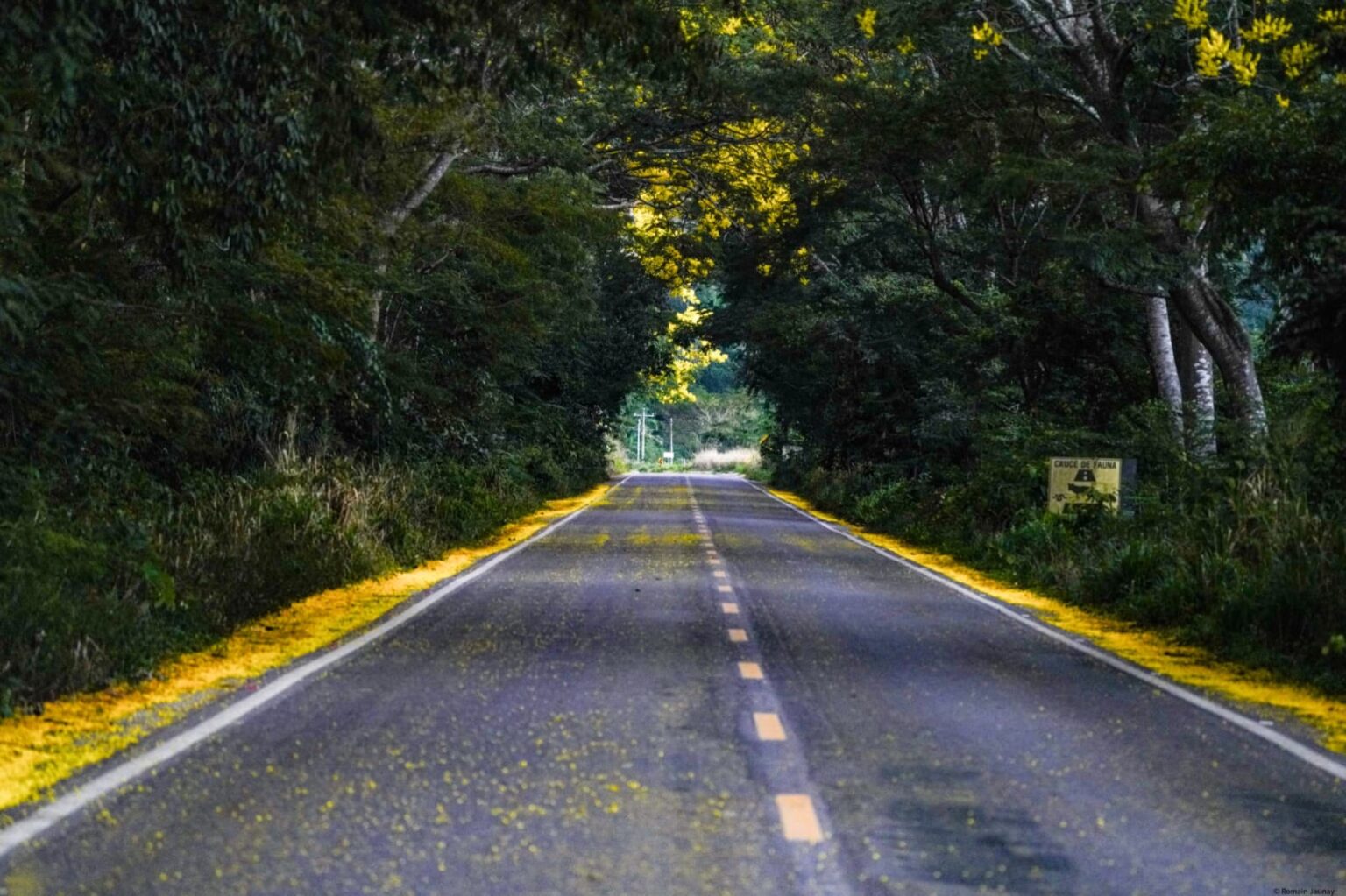
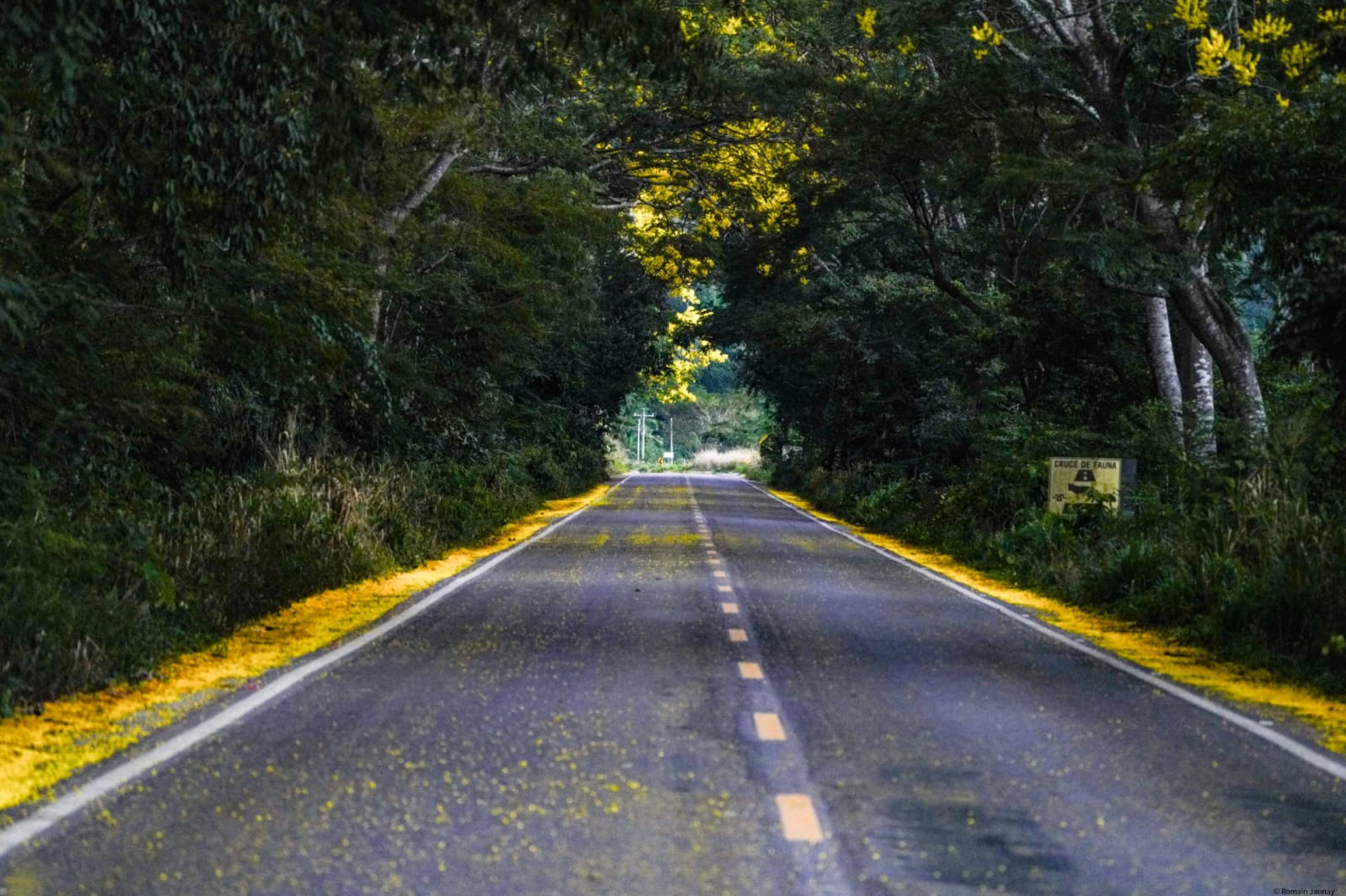
On the Santa Cruz to Trinidad highway

Primates & coatis

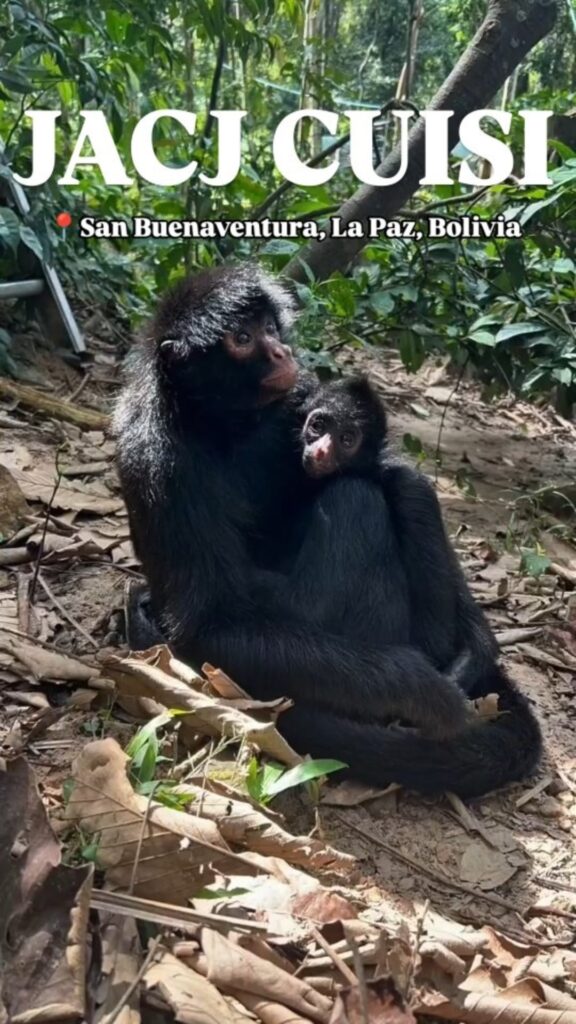
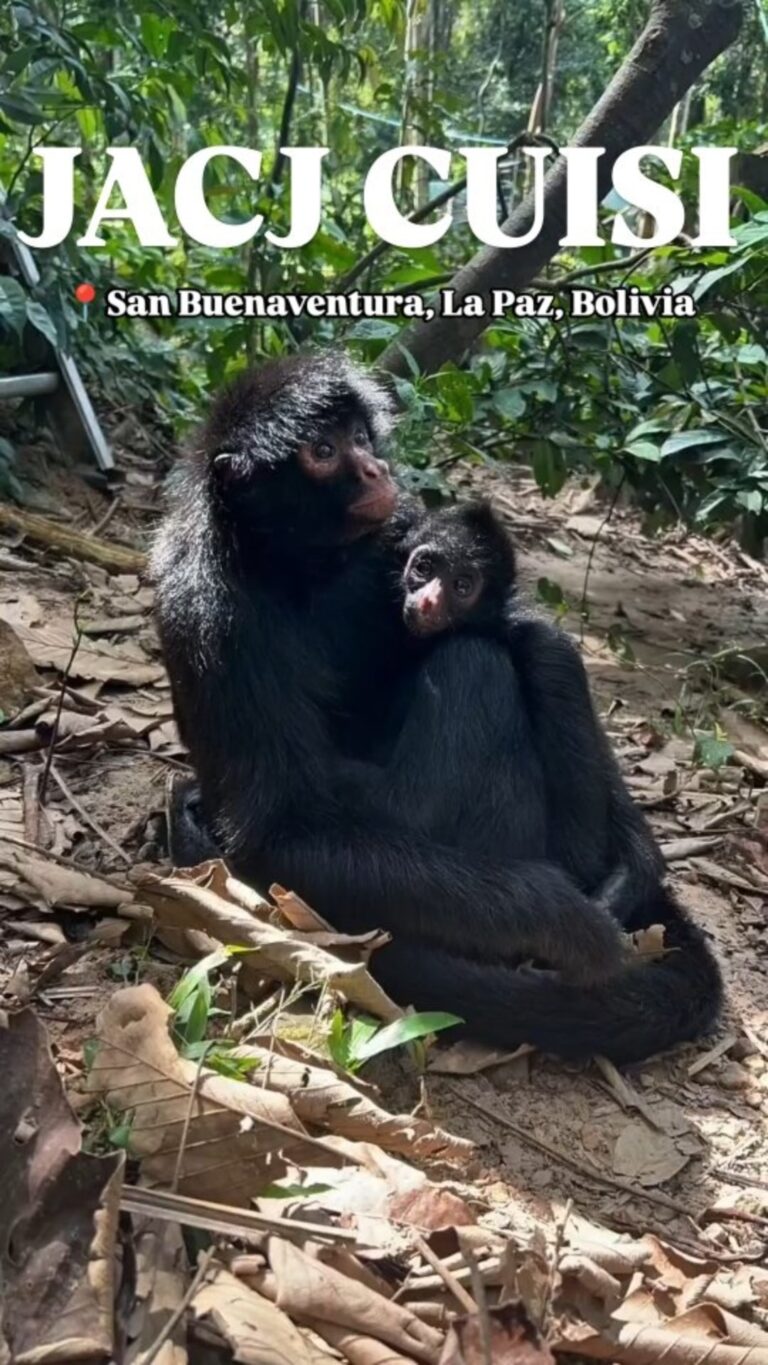
Jacj Cuisi Wildlife Sanctuary

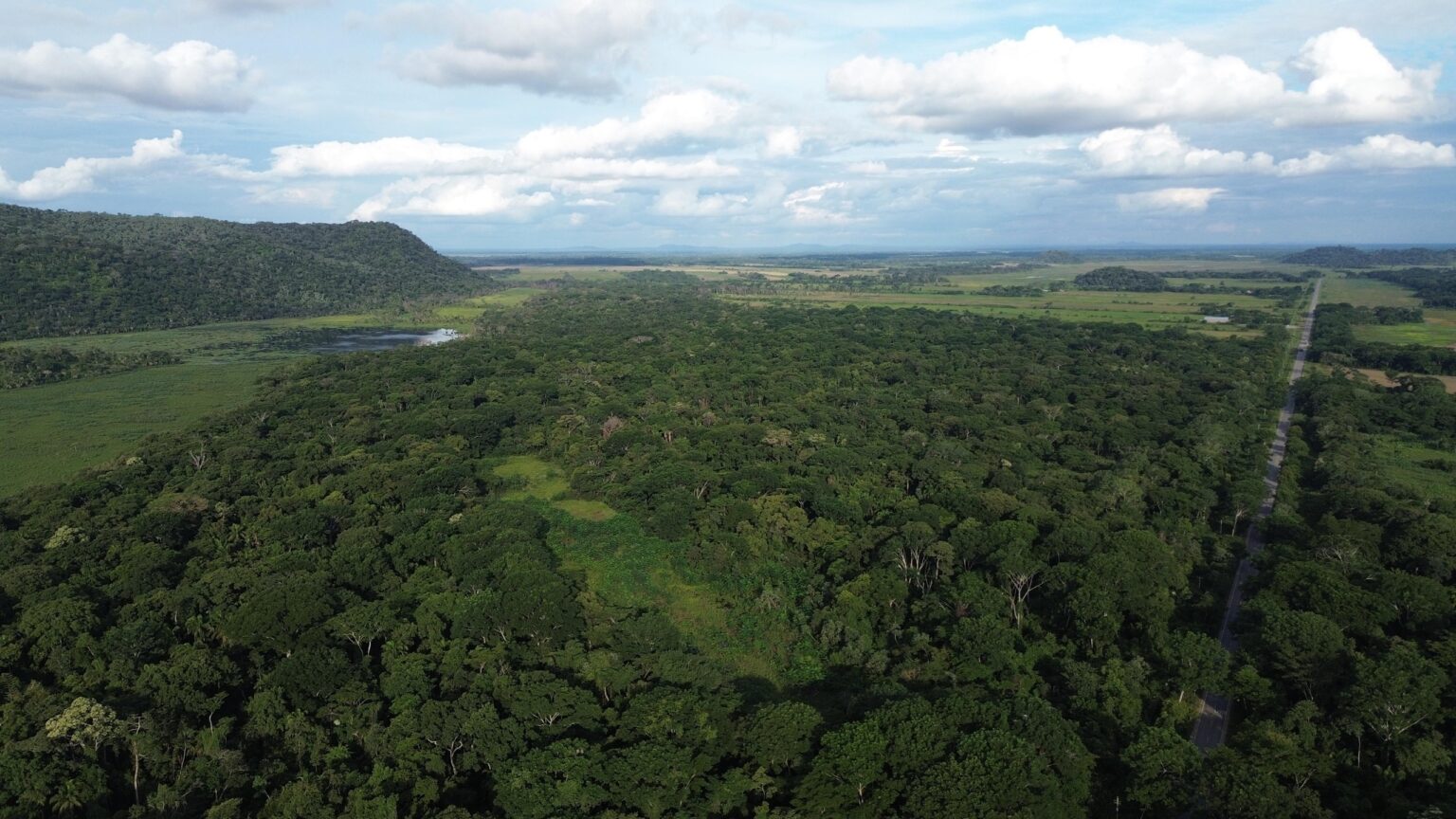
300 hectares of pre-Andean Amazonian forest bordering Madidi National Park. Bathe in crystal-clear streams, stargaze at night and join our full-moon hikes to see nocturnal animals.

Animals
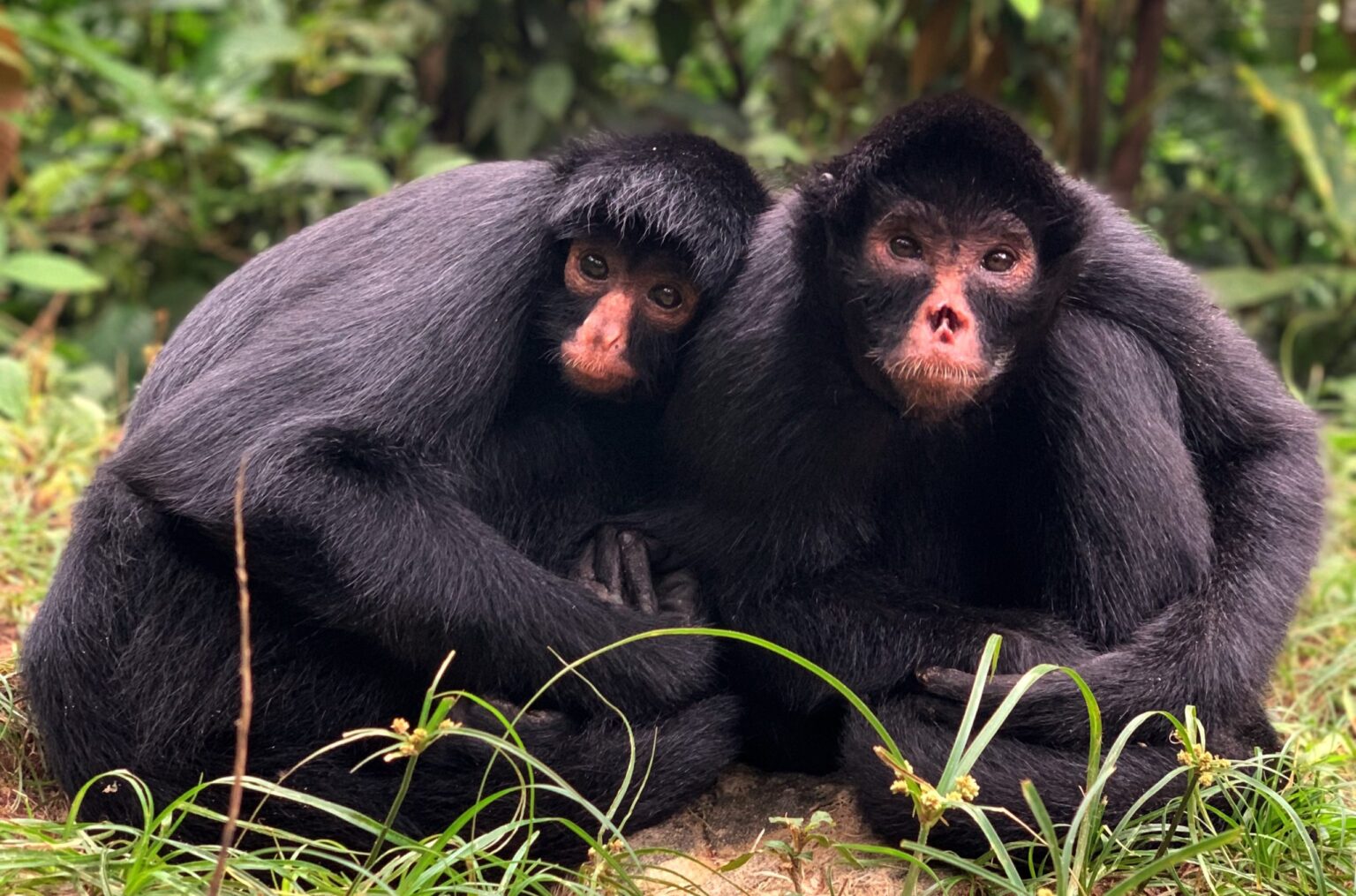
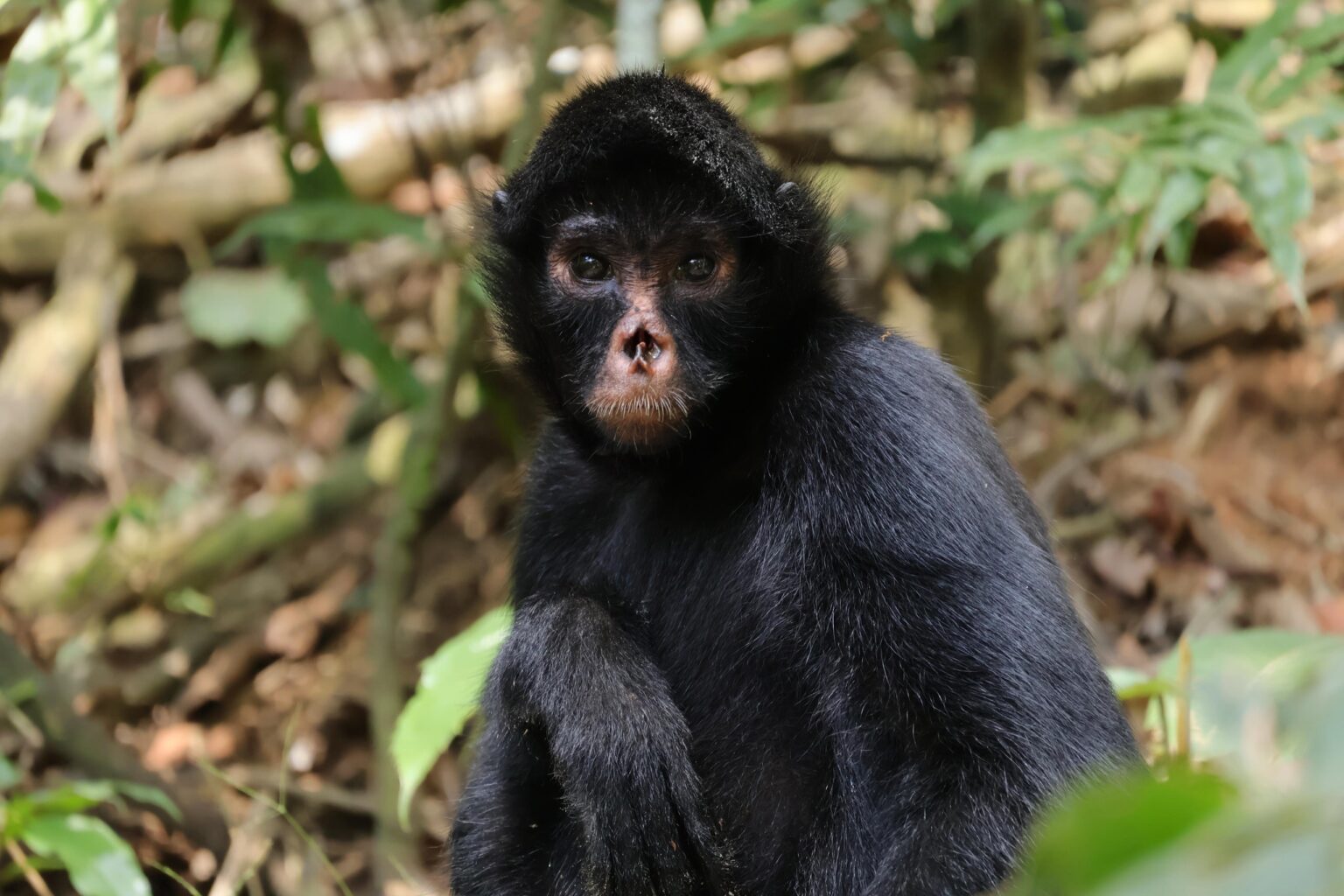
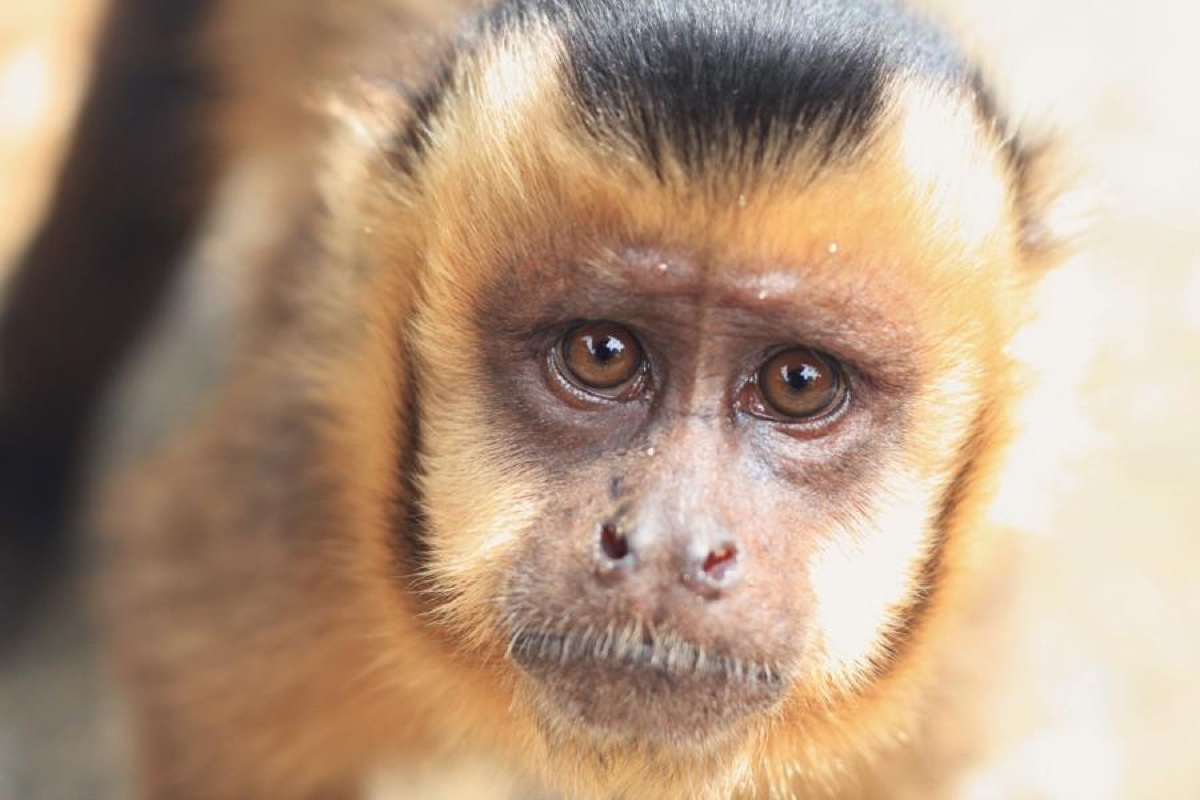
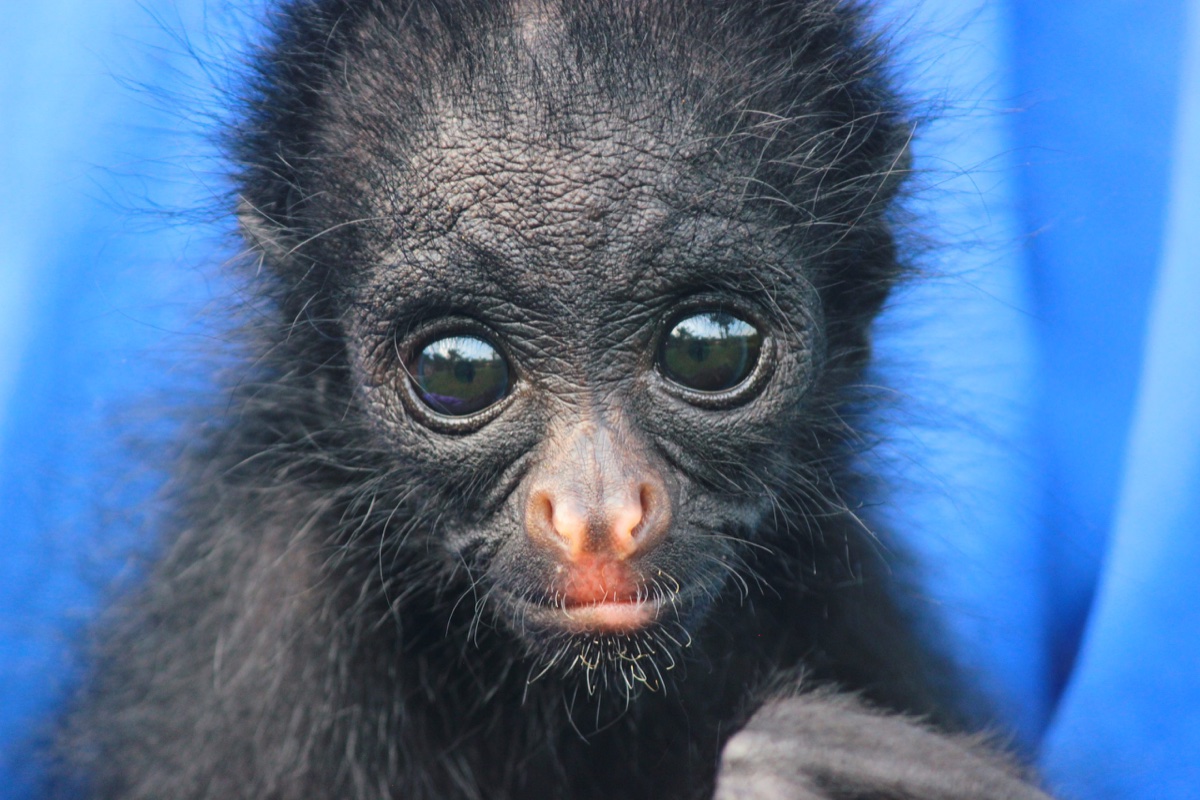
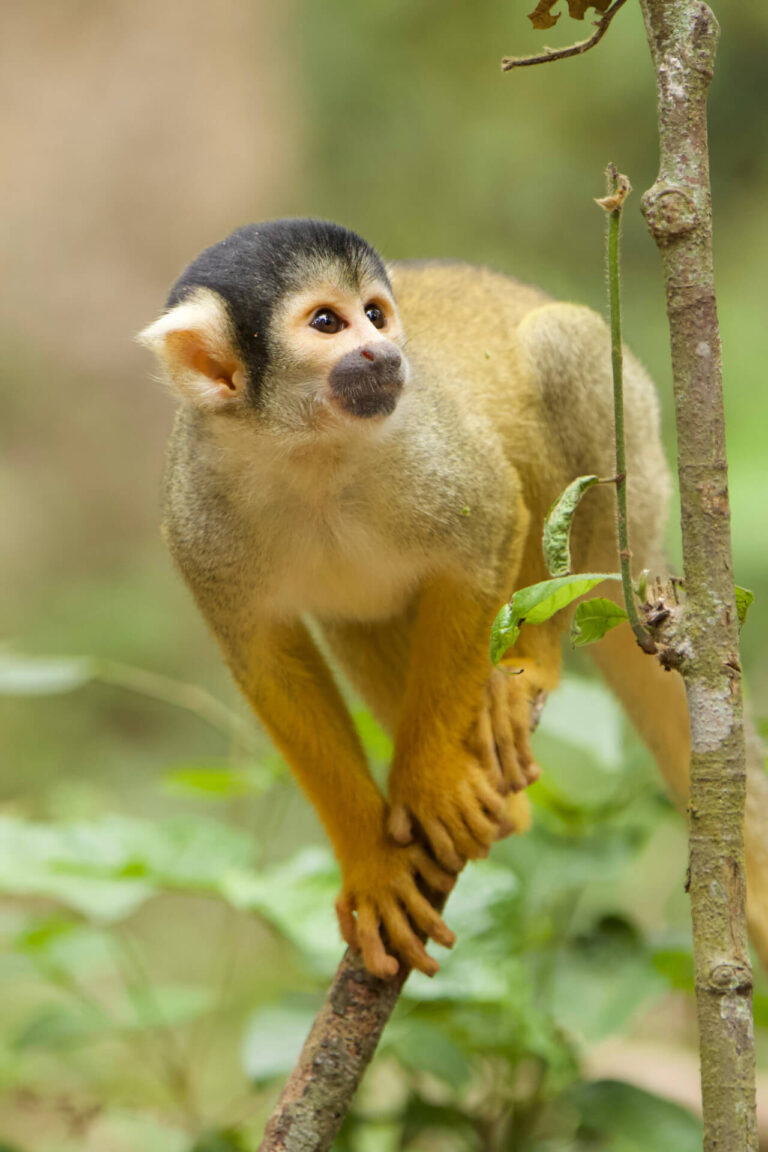
Spider, capuchin and squirrel monkeys, coatis
Minimum stay
15 nights with the animals, one week for construction
Packages
from $350 for 15 days
Location
45 minutes from Rurrenabaque

On Instagram

See the Jungle Through Their Eyes

Our volunteers filmed both sanctuaries. Watch the reels right here, then follow @inti_wara_yassi for daily life from the jungle.

Tapping play loads the reel from Instagram.

Your Journey

To make your arrival smooth and stress-free, this is how your stay comes together.

  1. Apply online

    Fill out the volunteer application. It only takes a moment and helps us prepare for your arrival.

  2. Reserve your place

    Optional: a non-refundable fee of US$100 guarantees that you can volunteer when and where you want to.

  3. Arrive and settle in

    We give you a full introduction, assign your accommodation and match you with a work area.

  4. Work with the animals

    For most volunteers, work begins at 7:00 am and ends at 5:30 pm, with one day of rest per week.

  5. Stay as long as you like

    Many volunteers extend their stay: 10 % off for 3 months and 30 % off for 6 months paid upfront.

Volunteer Packages

The cost of volunteering varies by sanctuary and is kept as low as possible. We appreciate that volunteers donate their time to support the animals, but we must collect a modest payment to provide room and board. The full amount is paid before starting work.

Volunteer package

Ambue Ari

from $430 / 15 days

  • 15 days$430
  • 30 days$650
  • 3 months$1,400
  • 6 months$2,350
  • Accommodation
  • Three meals a day
  • All training at the sanctuary

Also good to know: every stay requires a security deposit of $50 / 500 Bs and a café / candy shop deposit of $50 / 500 Bs. Each additional day costs $20 after a 15-day package and $15 after longer ones. Discounts: 10 % off a 3-month stay and 30 % off a 6-month stay when paid upfront. CIWY is a non-profit organisation with no governmental funding — every package helps us continue rescuing and rehabilitating wild animals in need.

Long-term volunteers

Many of our volunteers stay for months or even years, and many others return for a second or third time.

Good to Know

Everything the old hands wish they had known before their first day — requirements, stays, reservations, packing and health.

Requirements

We accept volunteers from all walks of life and do not require previous experience with wildlife — all training takes place at the sanctuary. All volunteers must meet these requirements:

  • Be at least 18 years old (or 17 with a written consent letter from a parent)
  • Be in good physical condition
  • Be able and willing to work in hot and humid conditions, with temperatures above 30 °C and humidity between 65 % and 90 %
  • Have the yellow fever vaccine
  • Speak either Spanish or English
  • Be adaptable and have a flexible attitude towards work
  • And most importantly: have a passion for helping animals

Stays & hours

Minimum stays

Volunteering with animals requires a commitment of at least 15 nights, although some species require up to 44 nights. In general, 15 nights are required to work with monkeys and 30 nights to work with felines — the exact minimum per species is on the volunteer page of each sanctuary. The minimum stays are part of a policy for the wellbeing and emotional stability of our animals.

Short-term projects

We require only a one-week commitment to work with construction projects, maintenance and gardening at Parque Jacj Cuisi.

Work hours

For most volunteers, work begins at 7:00 am and ends at 5:30 pm, with two breaks (breakfast and lunch) that usually add up to 2.5 hours. The specific hours of each work area are on the page of each sanctuary. As a volunteer, you receive one day of rest per week.

Long-term volunteers

Long-term volunteers are crucial to the work we do: besides caring for animals, they help manage and direct our sanctuaries and often develop specialised knowledge of the animals. With time, some move into paid staff positions with CIWY. If you have doubts about visas, check our FAQ.

Reservations

We accept reservations for those who prefer the peace of mind of having a guaranteed place in the sanctuary of their choice. To make a reservation, we require a non-refundable fee of US$100 per person. This payment is optional, but guarantees that you will be able to volunteer with us, when and where you want to. Just tick the reservation box in the application form and agree to these terms:
  • Reservations must be made at least two weeks before arrival.
  • Volunteers must commit to work for at least two weeks. The volunteer package is paid in full upon arrival. Many volunteers later choose to extend their stay beyond their initial commitment.
  • It is not possible to reserve an assignment with a particular animal or species. You can communicate preferences, but work assignments depend on the current needs of the sanctuary.
  • The reservation fee of US$100 is additional to the volunteer package. It is not an advance payment of the package.

What to bring

Clothing

  • Clothes that you don’t mind throwing away. If you don’t have anything suitable, we sell second-hand clothes at each sanctuary, but keep in mind that we may not have what you need in your size.
  • Quick-dry clothing.
  • A lot of underwear and socks.
  • Raincoat (with waterproof zippers or a poncho) and waterproof trousers, especially during the rainy season from October to March.
  • Long socks for rubber boots.
  • Rubber boots, especially if you have big or small feet. We usually have second-hand boots at Ambue Ari and Jacj Cuisi, but not always in all sizes.
  • Warm clothes and a sleeping bag if you come between May and September, when temperatures get low, especially at night.
  • A wide-brimmed hat to protect you from the sun and rain.
  • A mosquito head net if you come in the rainy season (October to March).

Gear

  • A flashlight (headlamp).
  • A wristwatch with a stopwatch (especially important in Ambue Ari and Jacj Cuisi).
  • Pocket knife (especially important in Ambue Ari and Jacj Cuisi).
  • A backpack (especially useful in Ambue Ari and Jacj Cuisi).
  • Waterproof bags to protect your phone and other electronics from water and moisture.
  • First-aid kit (see Health).

Personal care

  • Insect repellent. CIWY is a DEET-free zone: you cannot use any type of repellent before or during work with animals, since they could ingest it, but you can use it after work and on your day off, making sure to wash thoroughly before you start working with animals again.
  • Biodegradable soaps and shampoos, especially in Ambue Ari and Jacj Cuisi, where wastewater enters the surrounding ecosystem.
  • Talcum powder to help keep your feet dry in the rainy season.

Money and extras

  • Cash (Bolivianos). There are ATMs at the airport that accept all types of cards. The closest ATM to Ambue Ari is an hour away in Ascensión de Guarayos, the closest to Jacj Cuisi is in Rurrenabaque. Bring enough cash to last your entire stay. We recommend paying for your stay in US dollars; with advance warning we can also accept online payments, but not card payments.
  • Some of your favourite foods and condiments.

If you have room to spare in your luggage, please consider bringing items from our Wish List. Many of them are cheap elsewhere but difficult to buy in Bolivia — any donation, however small, is greatly appreciated.

Health

We highly recommend that you consult a doctor in your country about the risks and preventive measures to take before travelling to Bolivia.

Vaccinations

You must be vaccinated against yellow fever in order to enter Bolivia. It is also advised to have the following vaccines up to date (not mandatory):

  • Hepatitis A and B
  • Tetanus
  • Tuberculosis
  • Typhoid fever
  • Paratyphoid fever (oral vaccine)
  • Rabies

Malaria and medication

We have never had a case of malaria at any of our sanctuaries, but this does not mean there is no risk. Most of our volunteers and workers do not take preventive medication, but we recommend that you consult a doctor about the pros and cons for your own circumstances.

If you take any medication, bring enough to complete the treatment. If you plan to stay for several months, you can ask us whether the product you need is available in the pharmacies nearby. Some products, such as the antibiotic fosfomycin (Monurol) for urinary tract infections, are not available in Bolivia.

Your first-aid kit

  • Band-aids and/or bandages
  • Sterile gauze, adhesive tape and/or sticking plaster
  • Antiseptic such as povidone-iodine or chlorhexidine
  • Ointments: with antibiotics for infected wounds, and with an antifungal agent (very useful in the rainy season)
  • Antihistamines or corticosteroids for stings or allergic reactions
  • In case of diarrhoea: antidiarrhoeals, oral rehydration salts, antibiotics
  • In case of infection: a broad-spectrum antibiotic such as amoxicillin with clavulanic acid or ciprofloxacin; if you are prone to urinary tract infections, bring the antibiotic you usually use
  • Analgesics: paracetamol, ibuprofen or naproxen

We’re so excited that you’re thinking of volunteering with us!

Subscribe to Our Newsletter

“When the last tree is cut, the last fish is caught, and the last river is polluted; when to breathe the air is sickening, you will realise, too late, that wealth is not in bank accounts and that you can’t eat money.” — Native American Saying

Discover the Story Behind CIWY and Its Conservation Mission