


Why Wildlife Protection Matters
Why Bolivia’s wildlife needs a sanctuary: trafficking, fires and a law that is rarely enforced.
- 1992Law 1333Trafficking banned
- 15M+HectaresBurnt in 2024
- 12On the Red ListSpecies in our care
- 30+YearsCIWY, since 1992
Tania ‘Nena’ Baltazar — co-founder and president
“Quote to follow — why CIWY’s work matters, in Nena’s words.”
Bolivia in Numbers
- X Animals trafficked Every year in Bolivia
- 15M+ Hectares burnt In the 2024 wildfires
- X Habitat lost Figure to follow
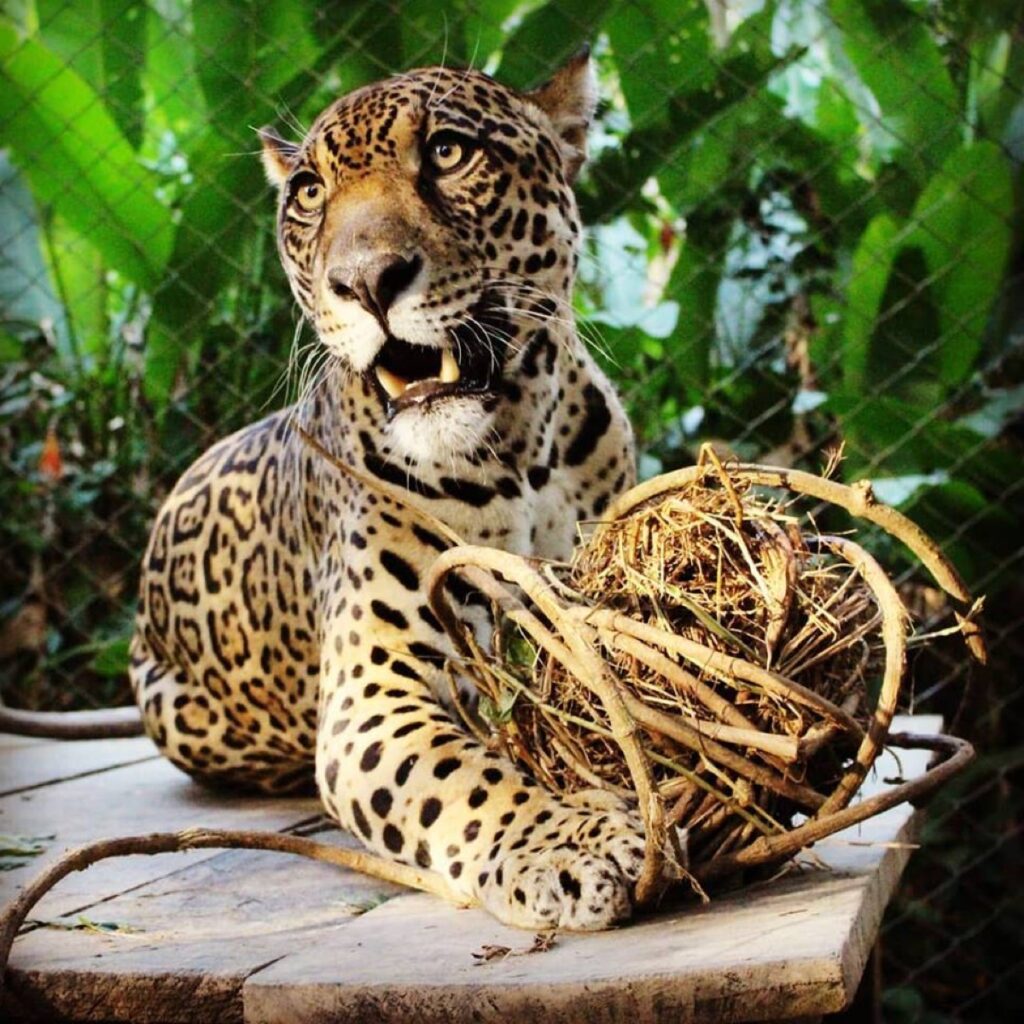
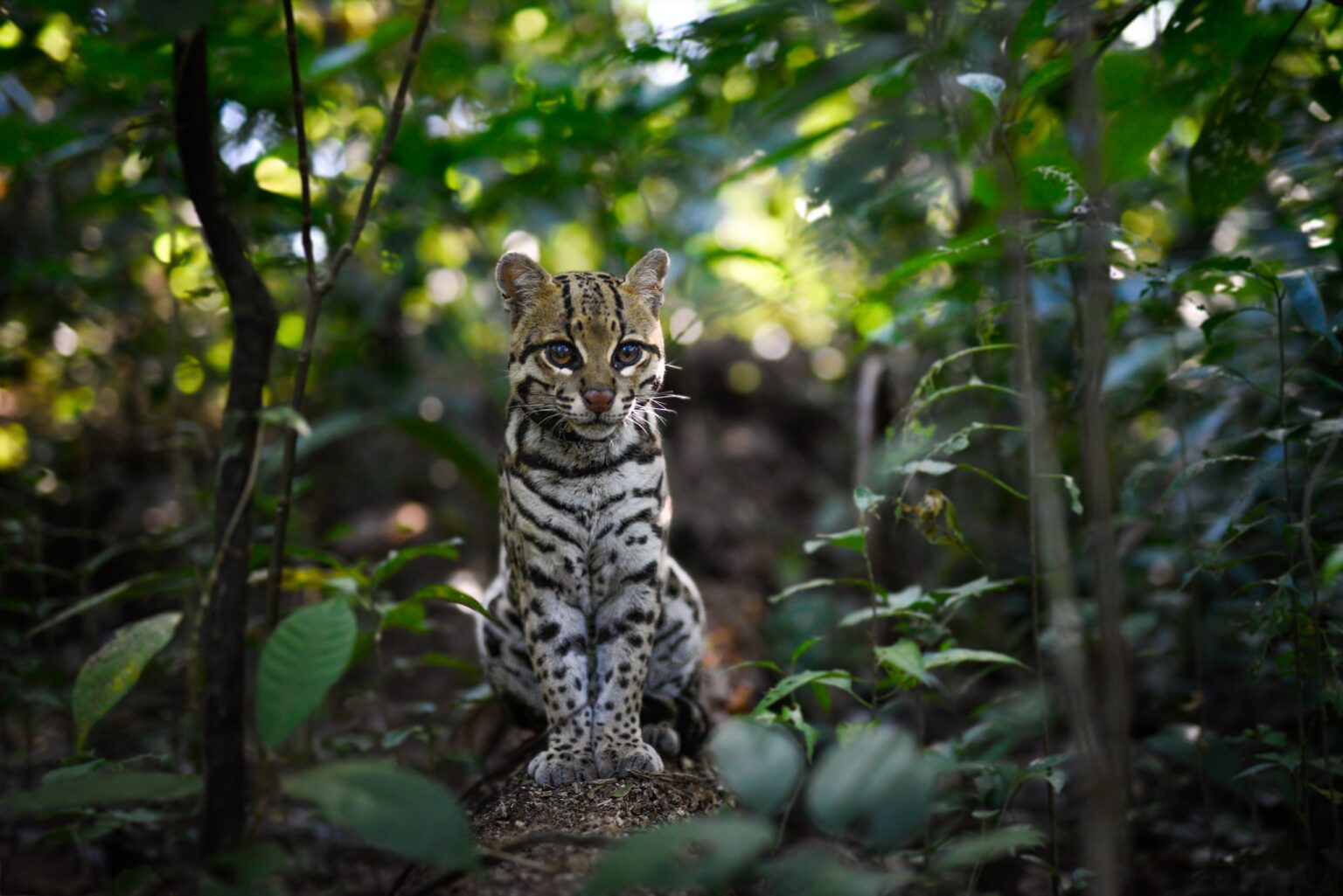
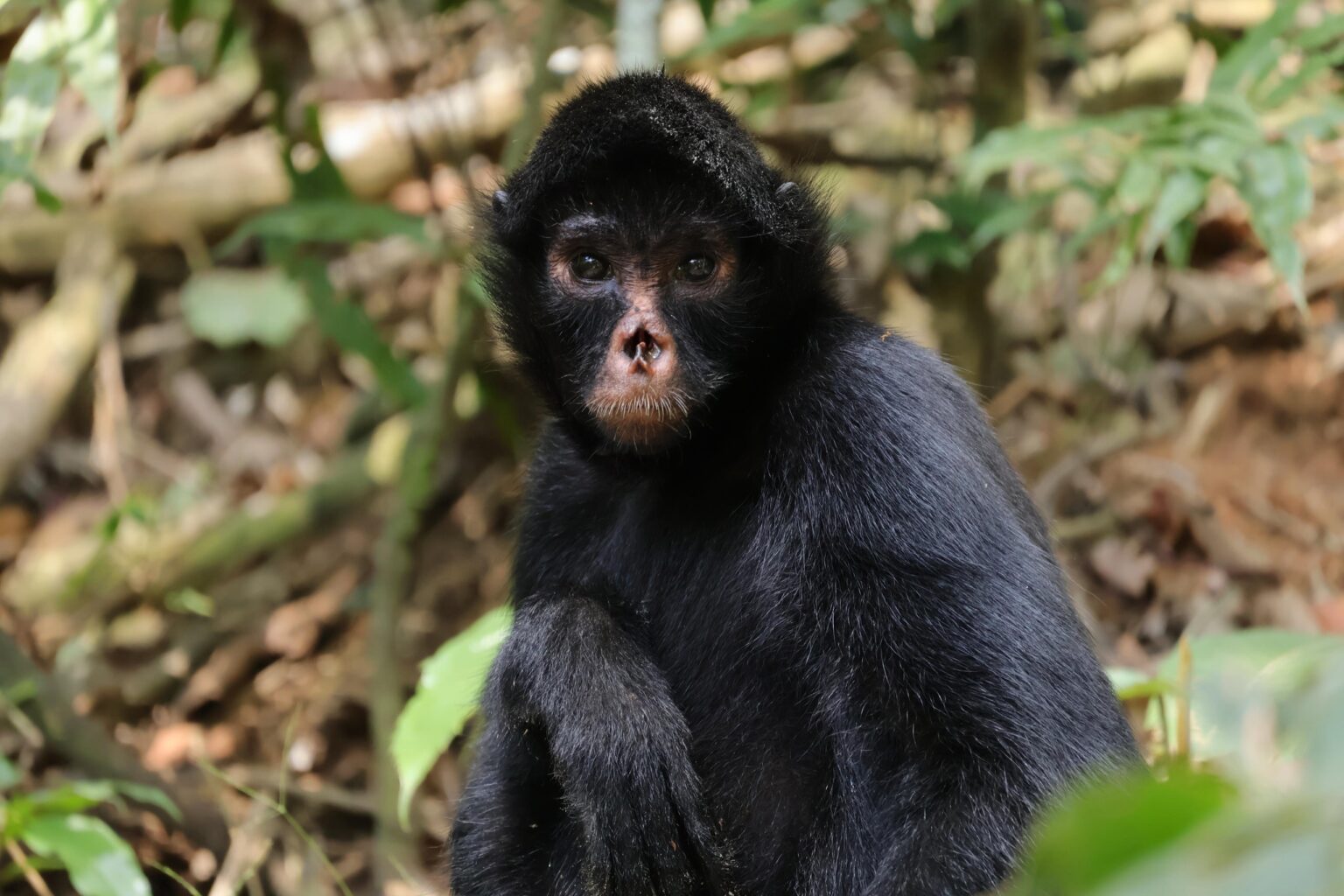
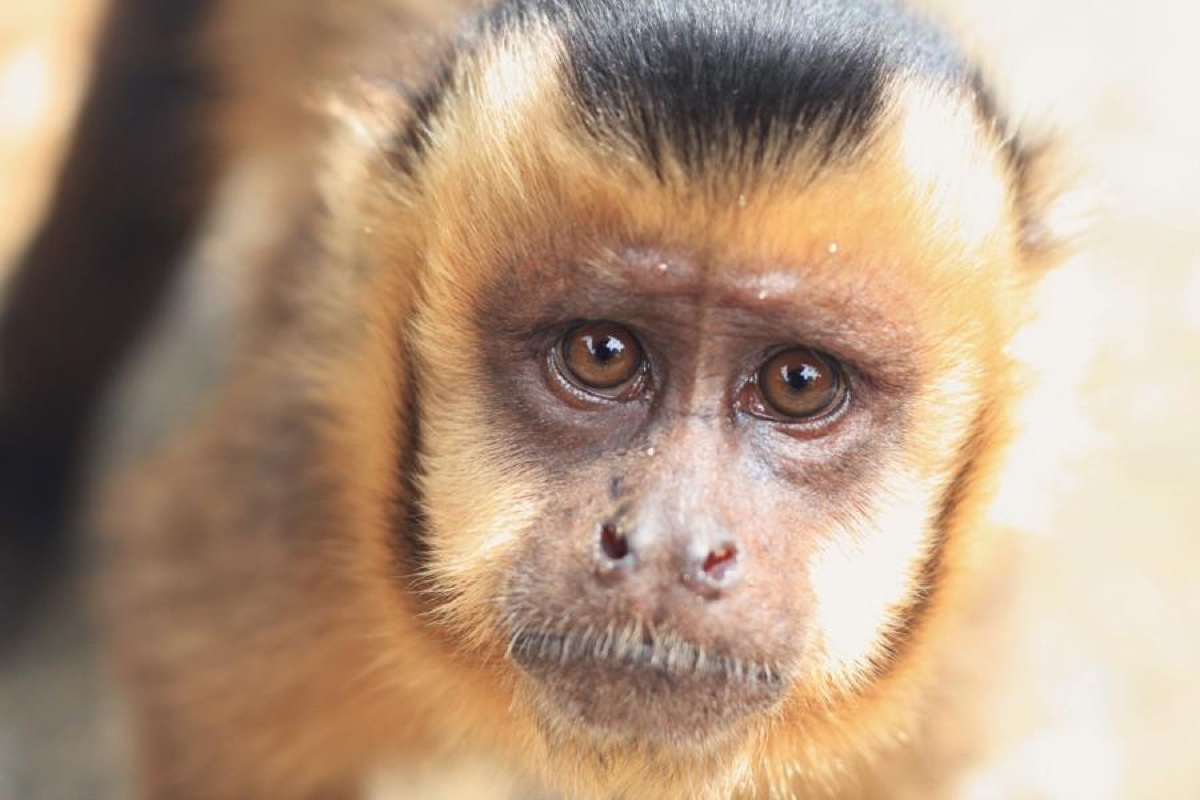
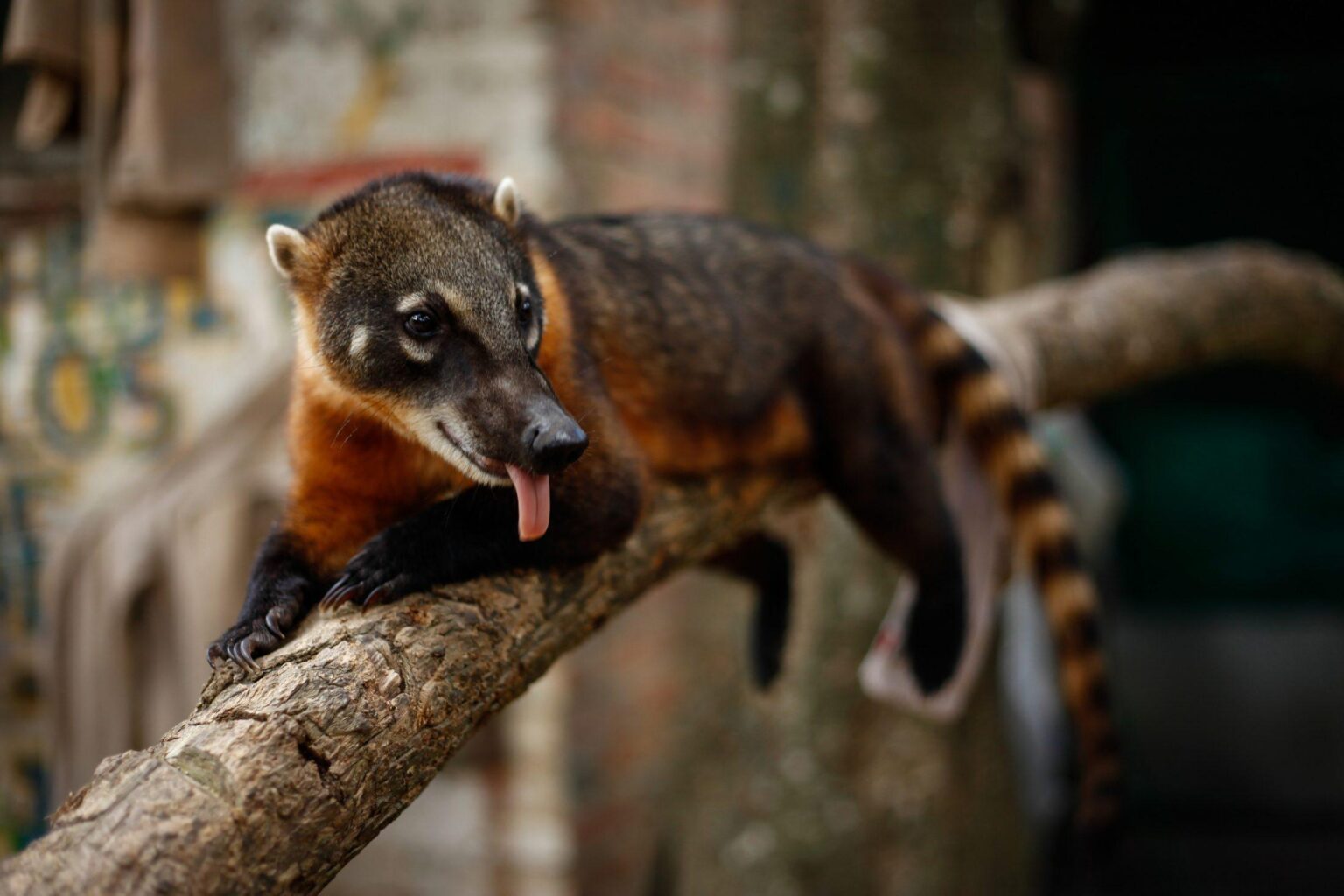
Kusiy, kept as a pet — rescued in 2015
The Regulations
In 1992, the same year CIWY was founded, Bolivia passed Environmental Law 1333, making wildlife trafficking illegal. It states that capturing, transporting, or commercializing wildlife without authorization is a criminal offense, punishable by fines, confiscation of the animals, and imprisonment of up to two years.
However, the law is not fully integrated into Bolivia’s criminal code, and violations are rarely sanctioned. As a result, wildlife trafficking continues with limited consequences, and authorities often lack the resources and prioritization needed to address the issue effectively.
What the law says
- Environmental Law 1333, since 1992
- Fines and confiscation
- Up to 2 years in prison
- Rarely sanctioned
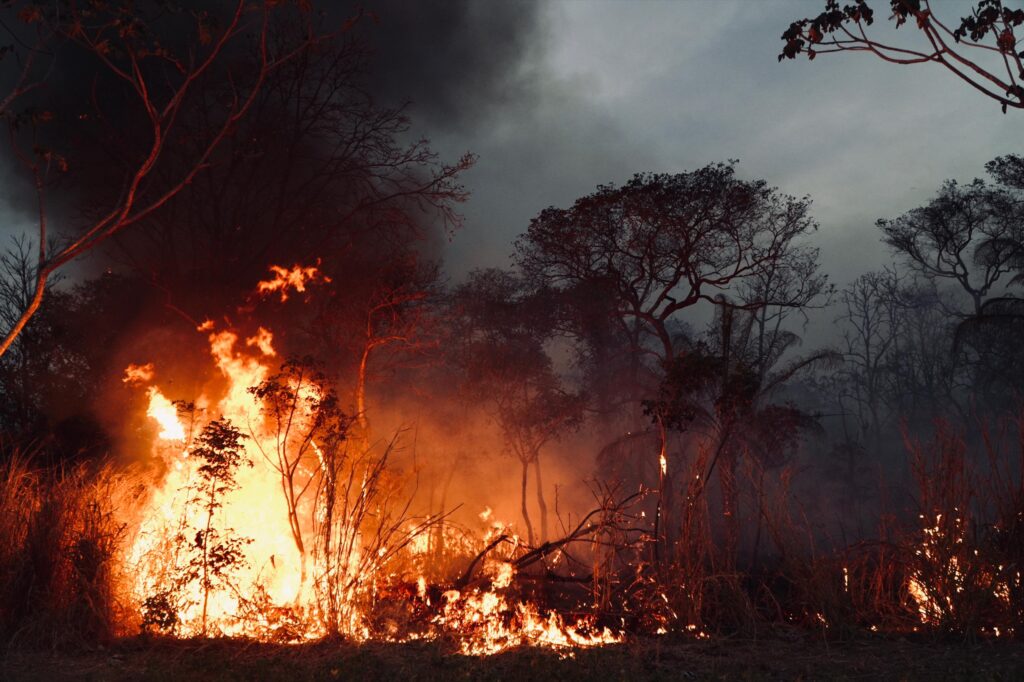
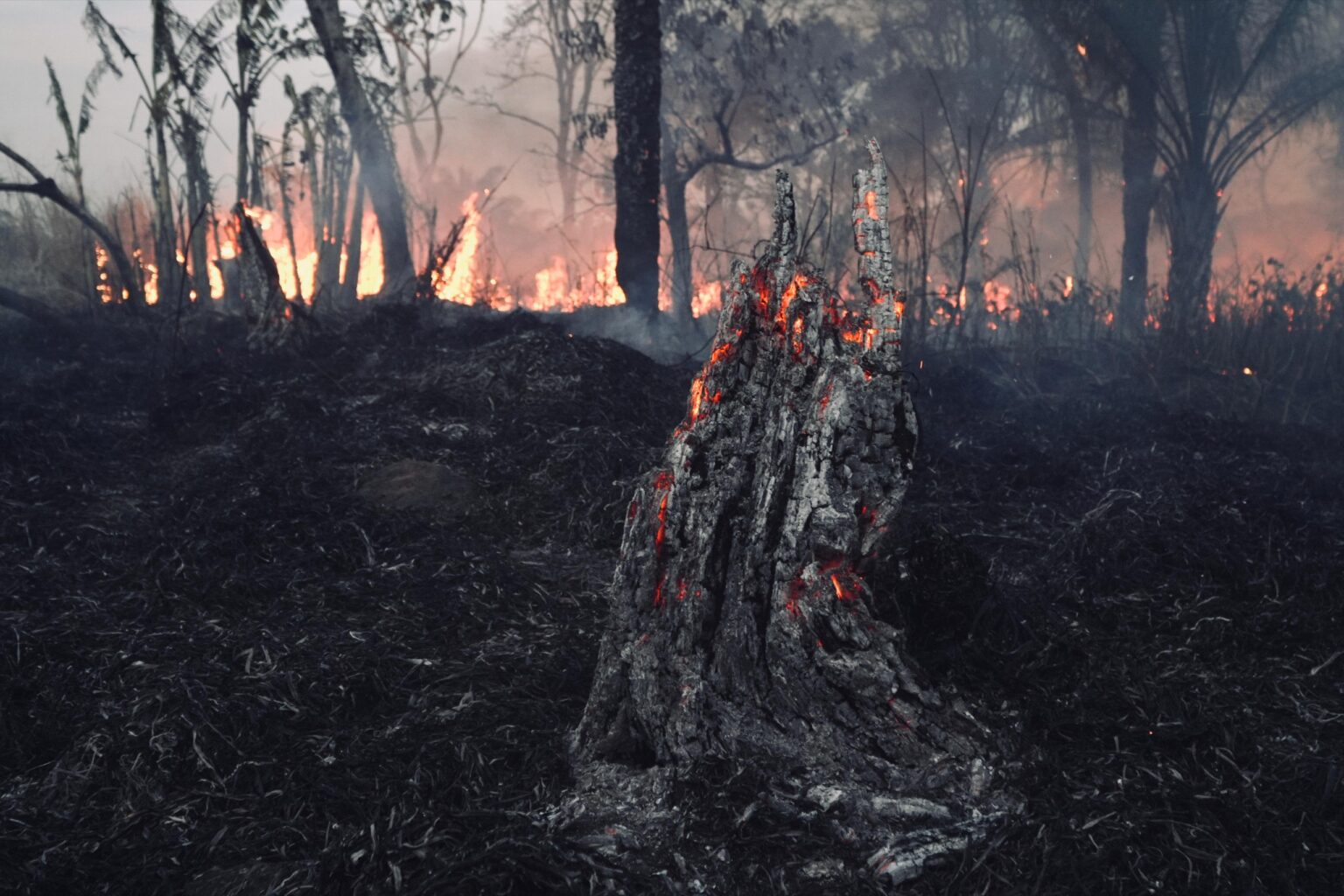
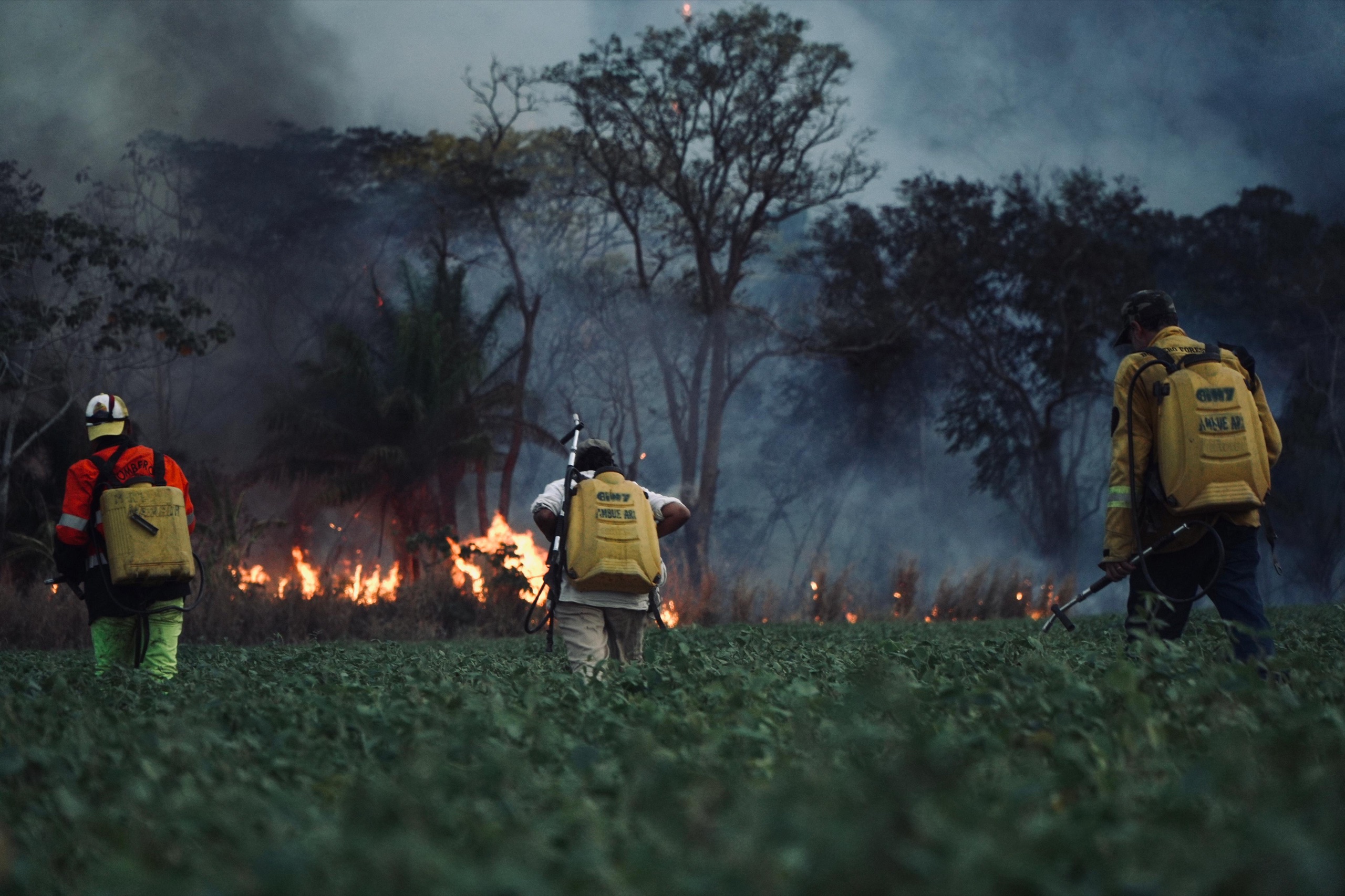
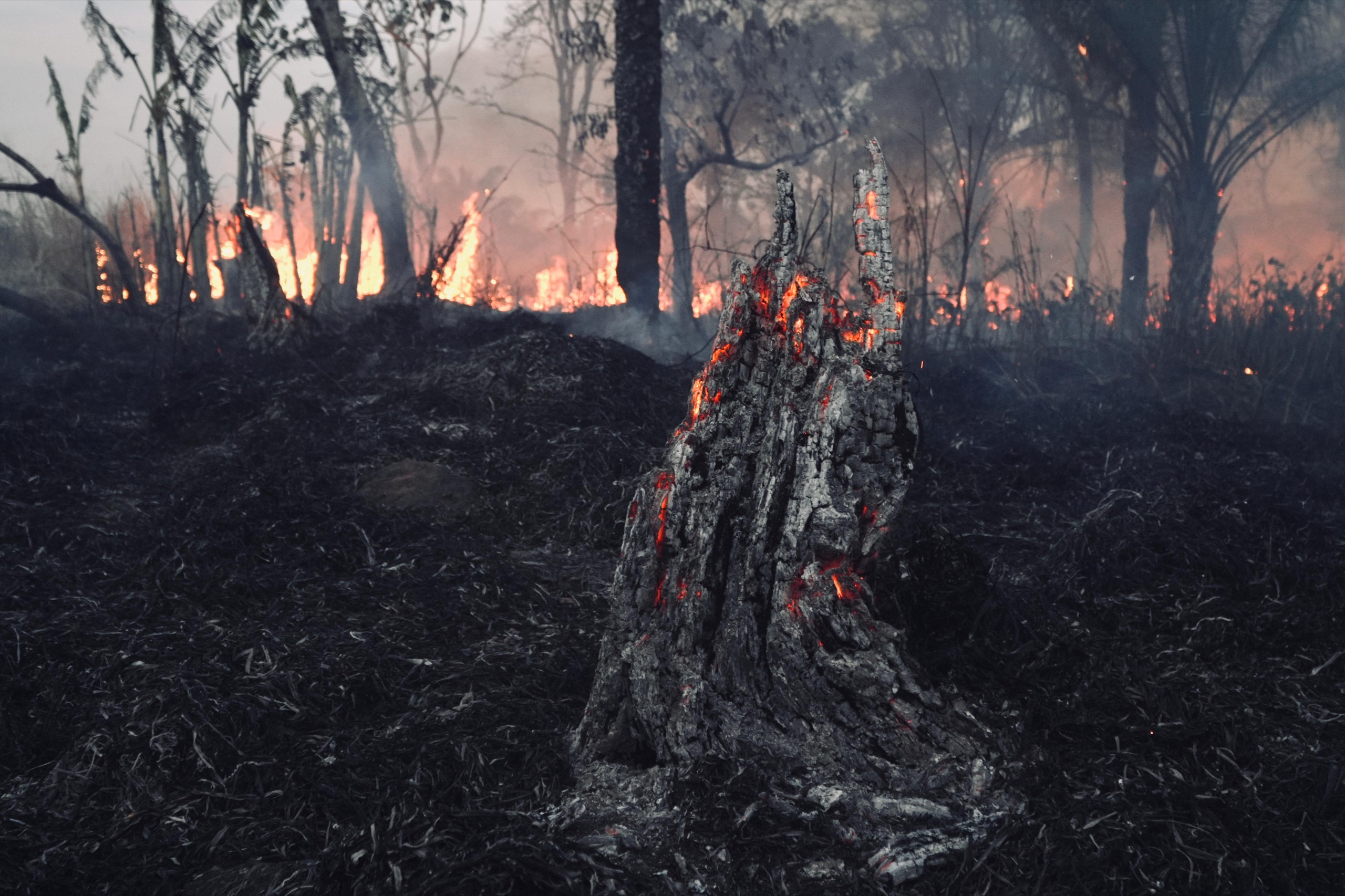
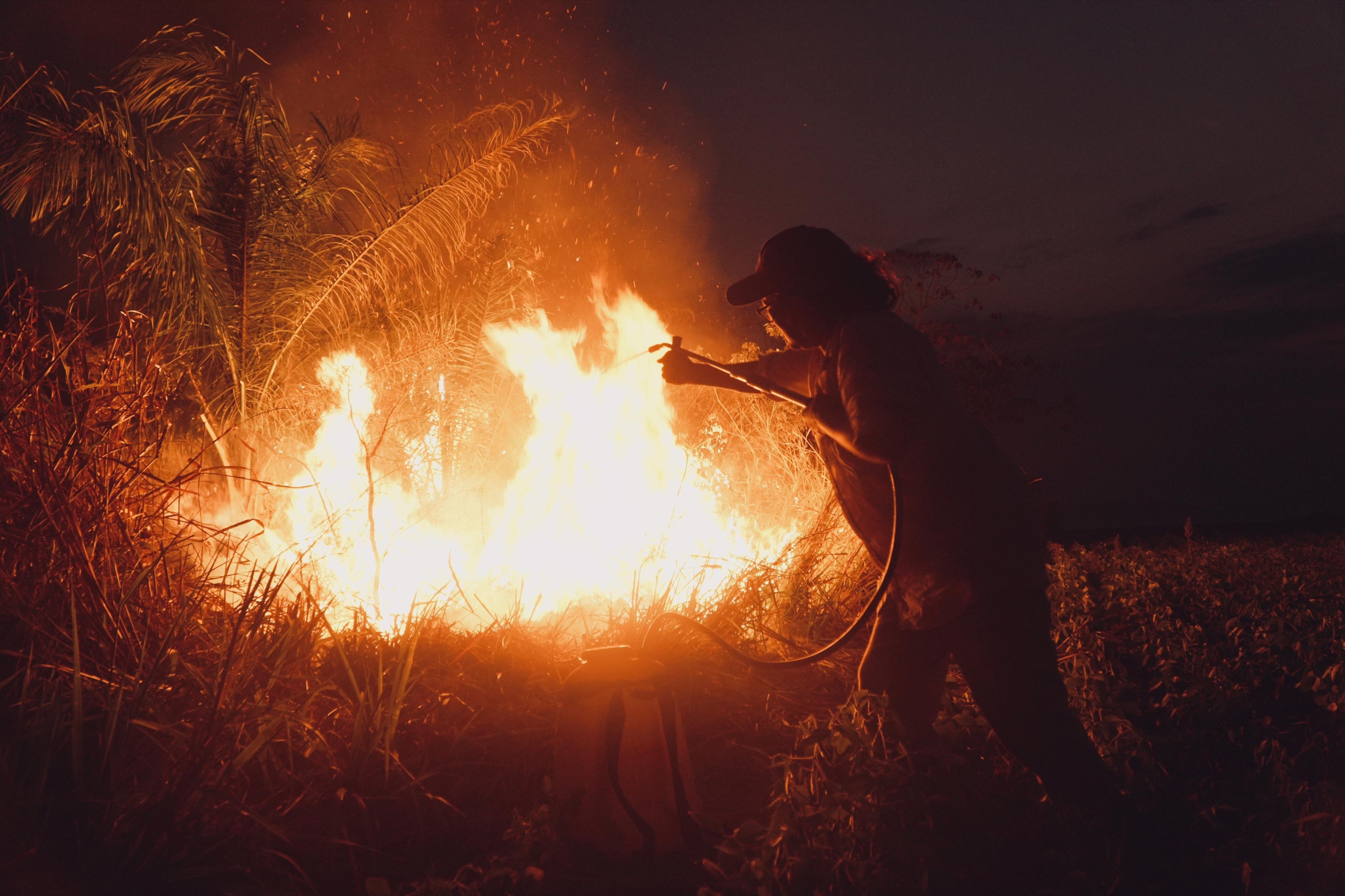
2024 — Bolivia’s worst ever year for wildfires
The Fires
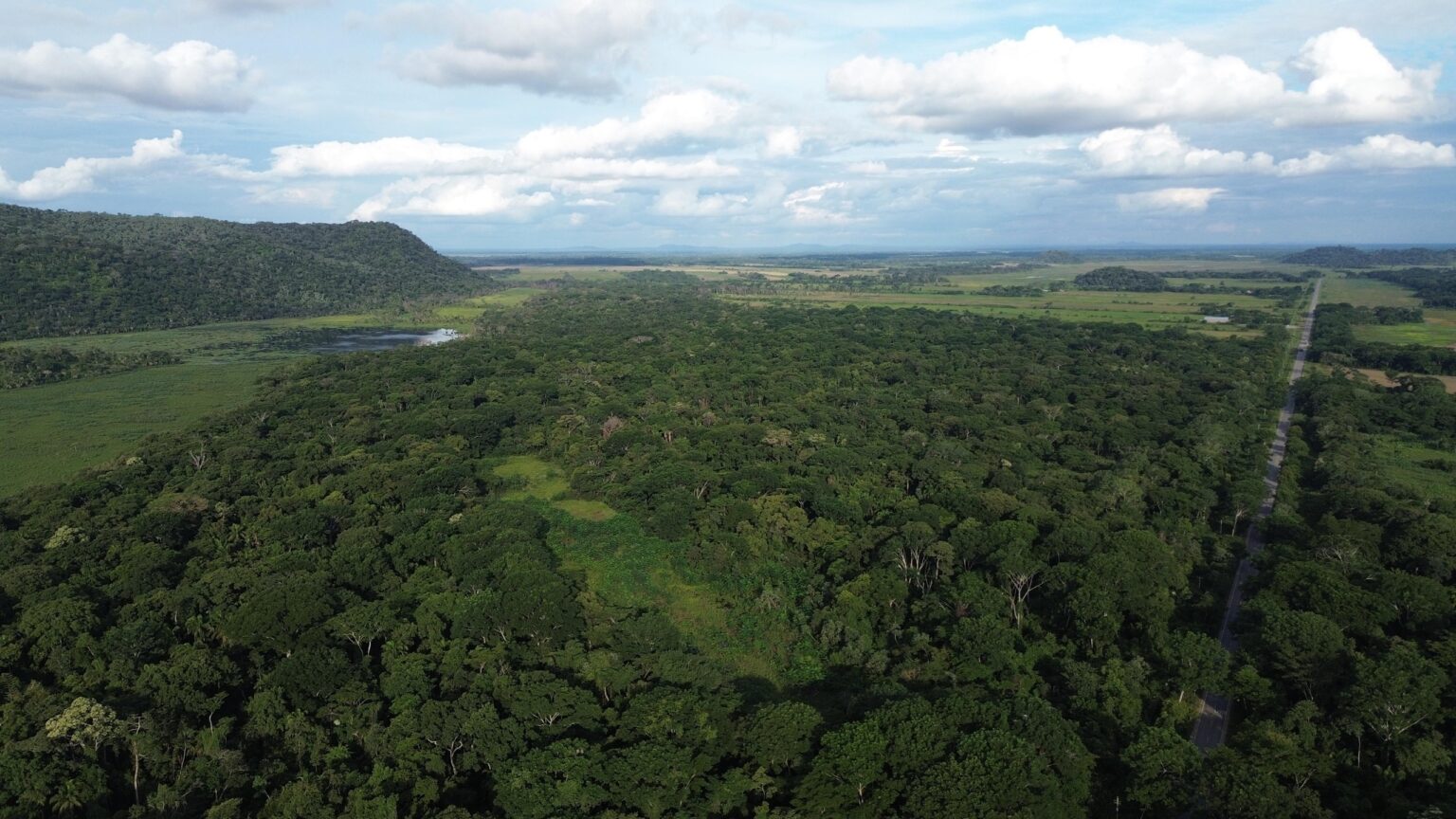
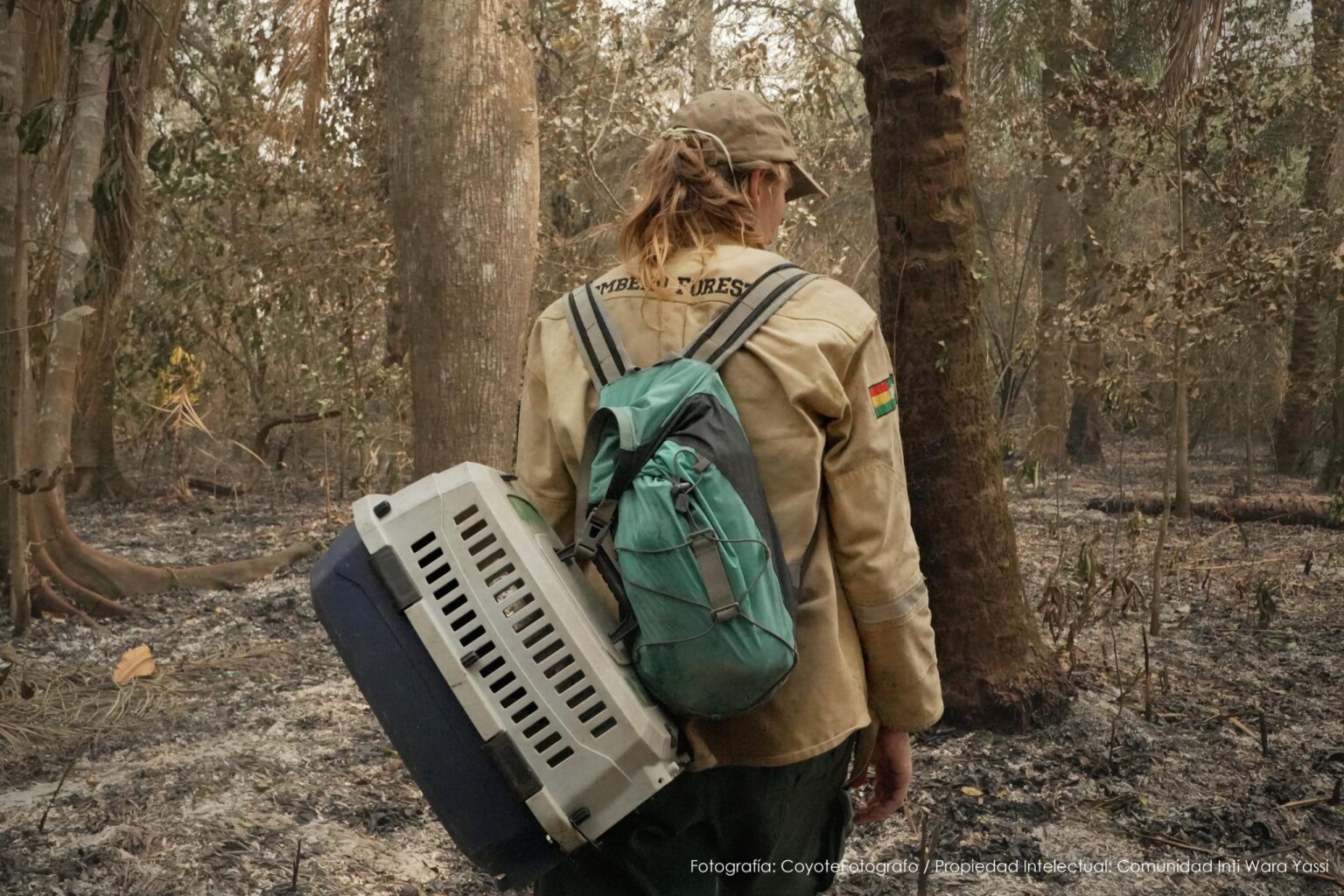
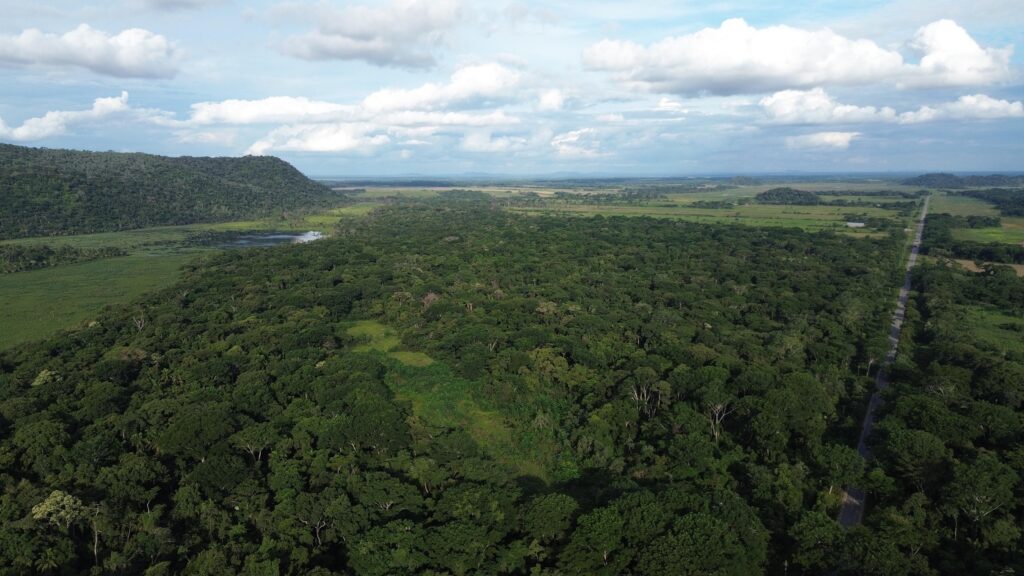
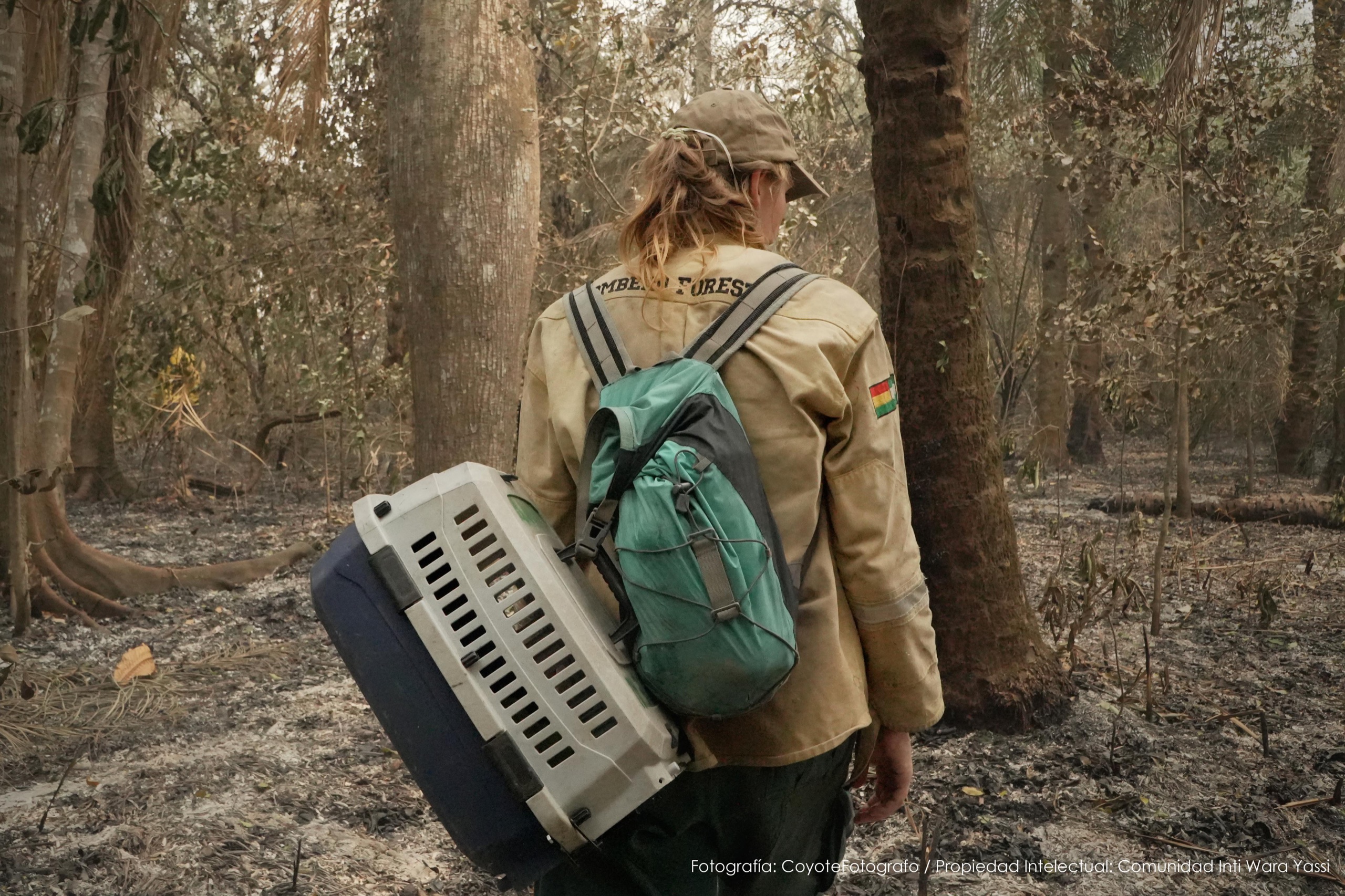
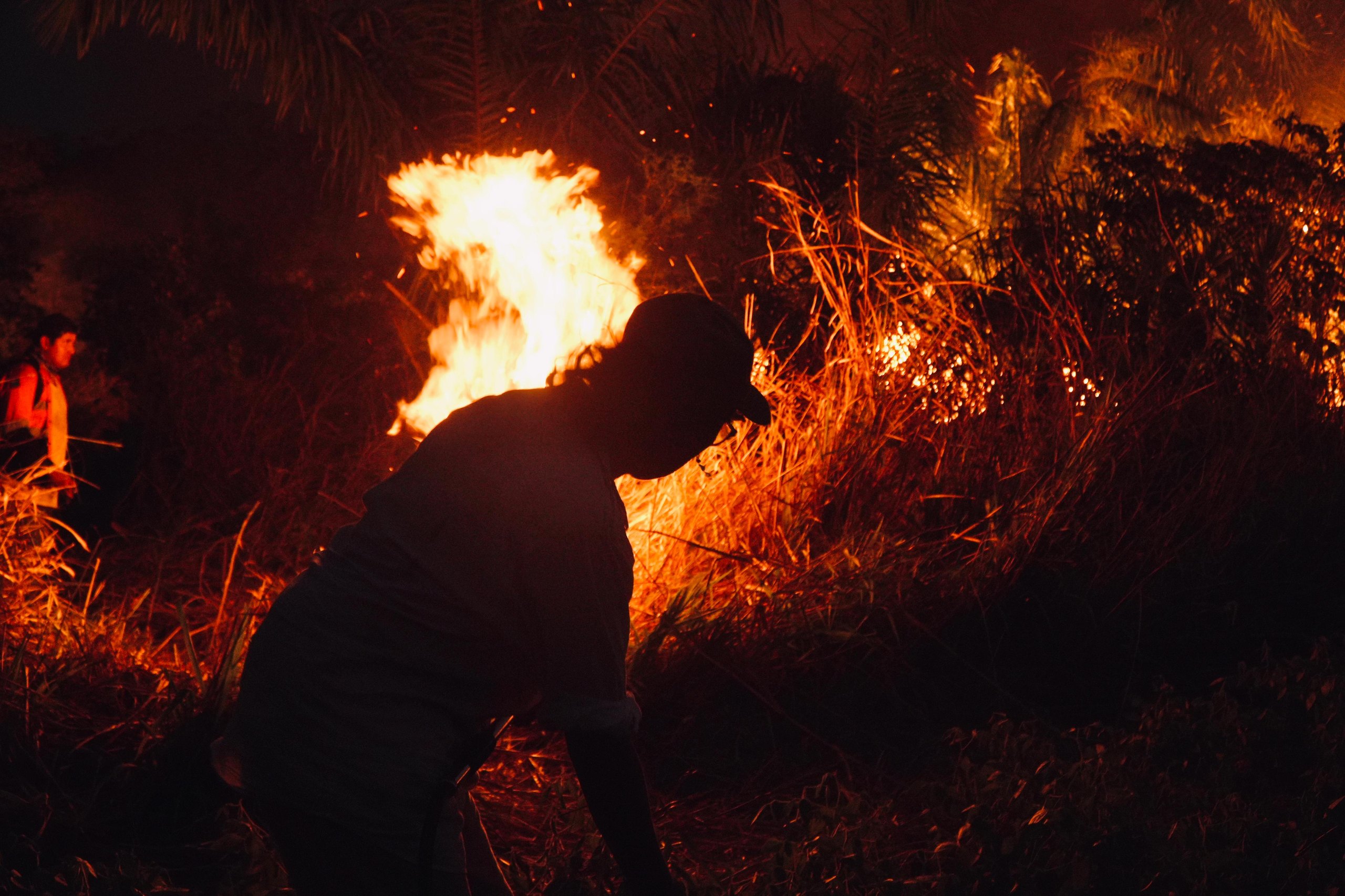
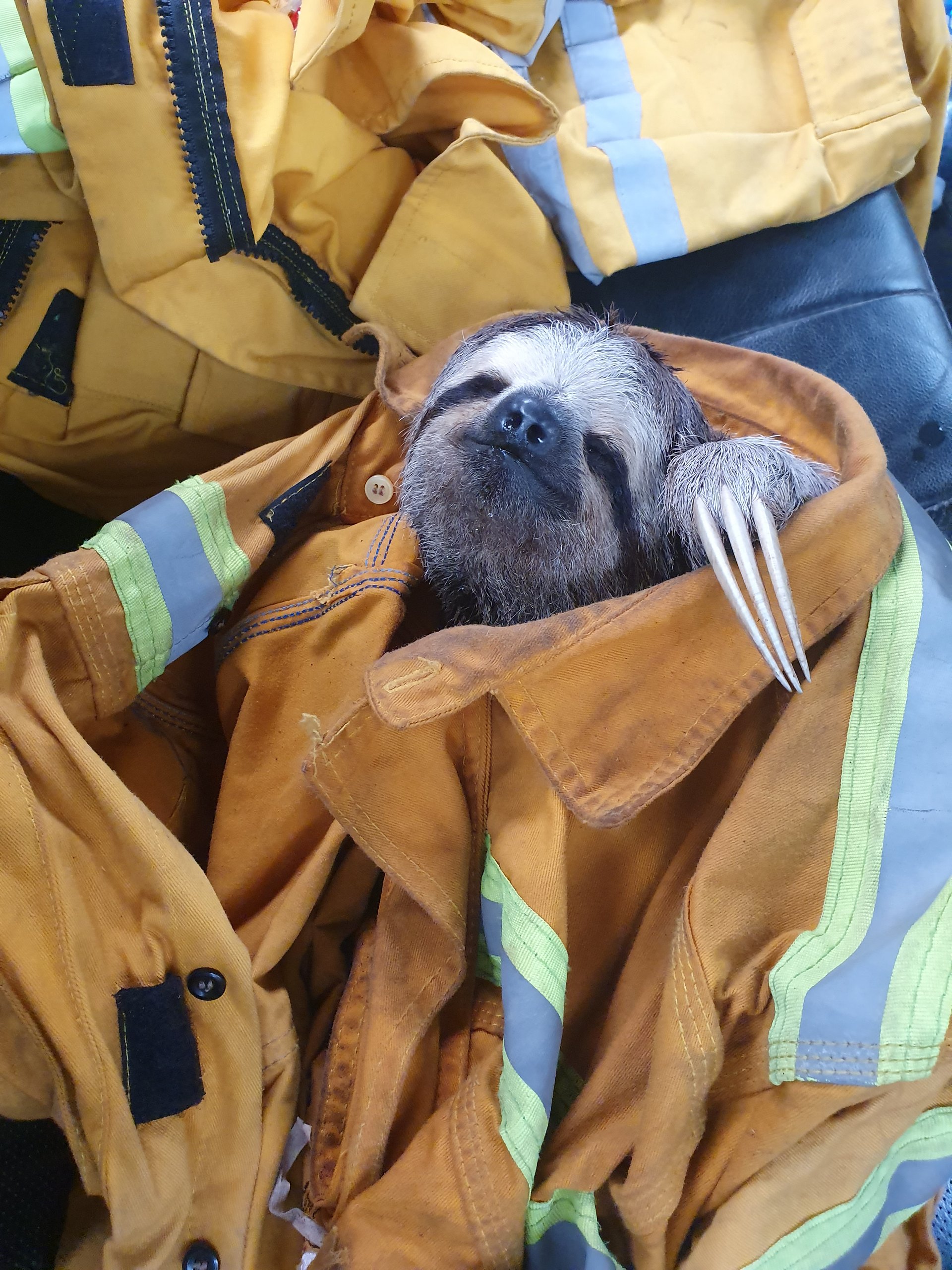
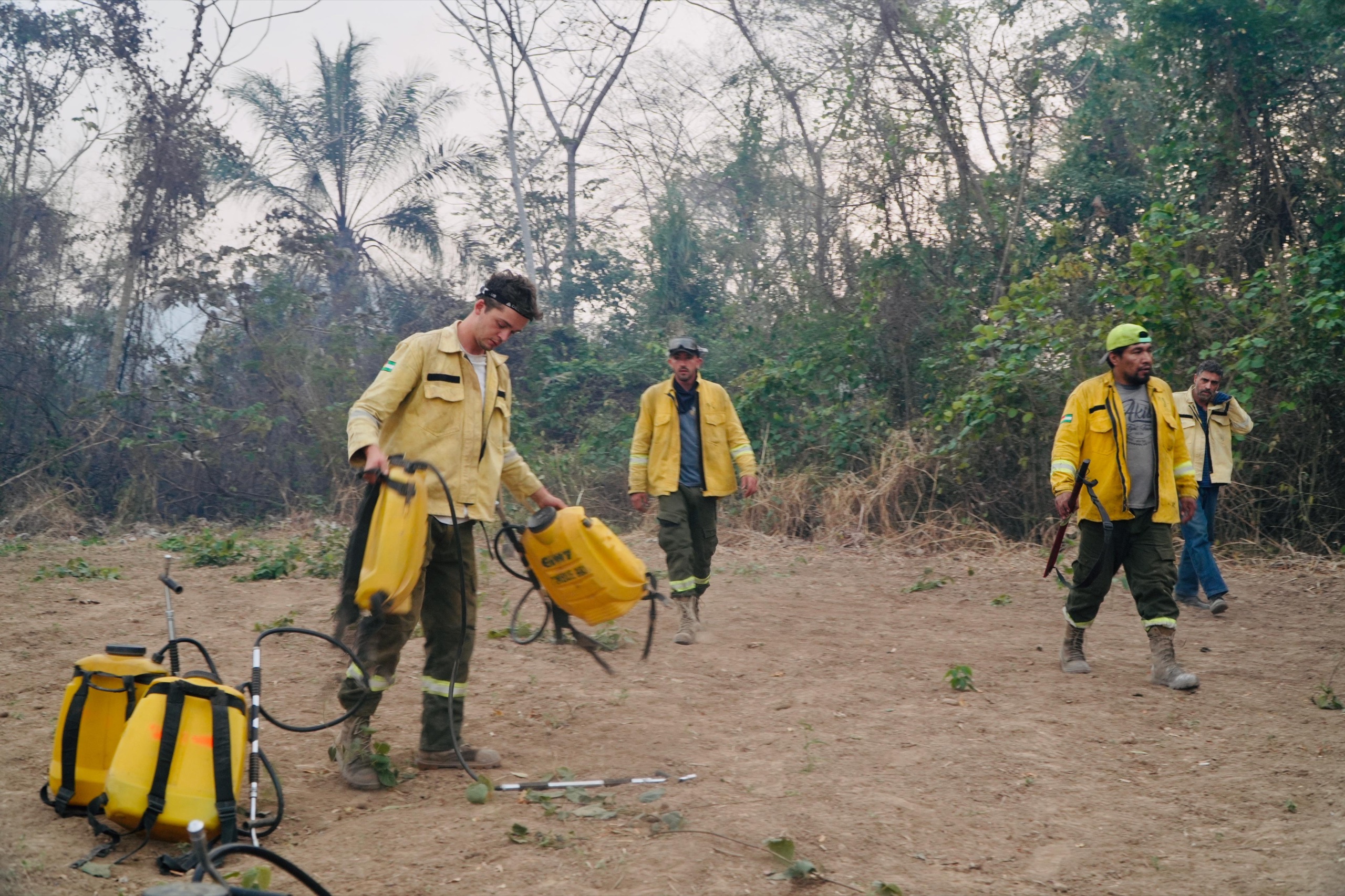
In 2024, Bolivia experienced its worst ever year for wildfires, with more than 15 million hectares burnt, representing a loss of habitat and life for millions of animals. Many ecosystems were irreparably damaged, while countless animals were left without the care and rehabilitation needed to recover. In Bolivia, the lack of established protocols for wildlife rehabilitation and release makes it particularly difficult for animals rescued from wildfires to recover and eventually return to the wild.
In numbers
- 15M+ hectares burnt
- Millions of animals affected
- No rehabilitation protocols in Bolivia
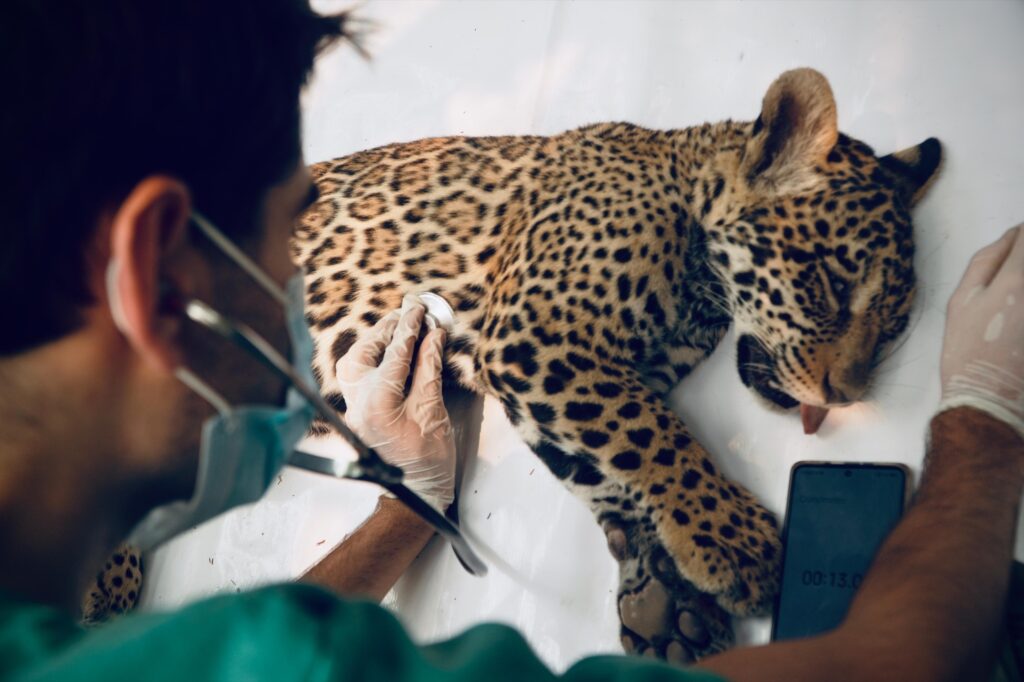
Rescue, rehabilitation, release
The Need
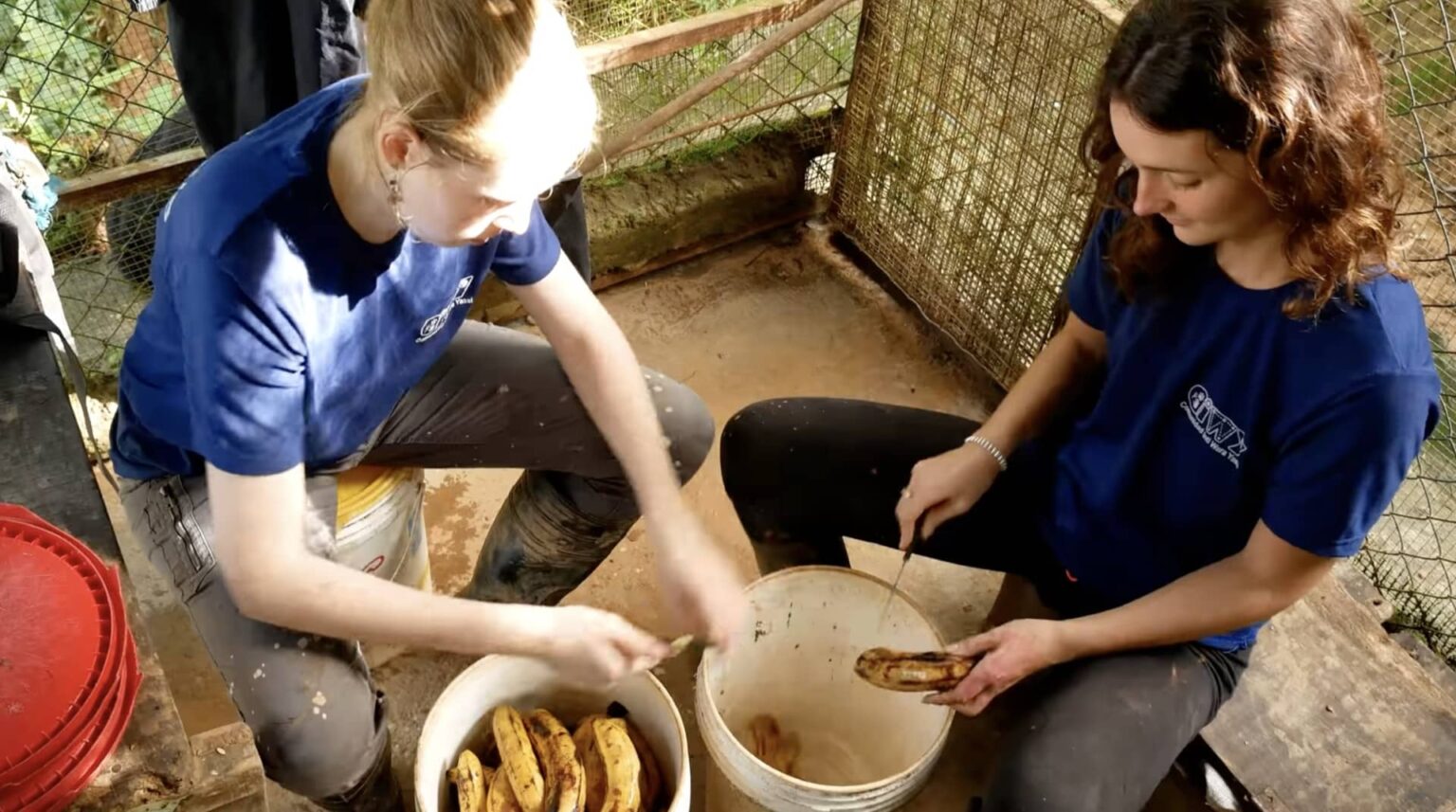
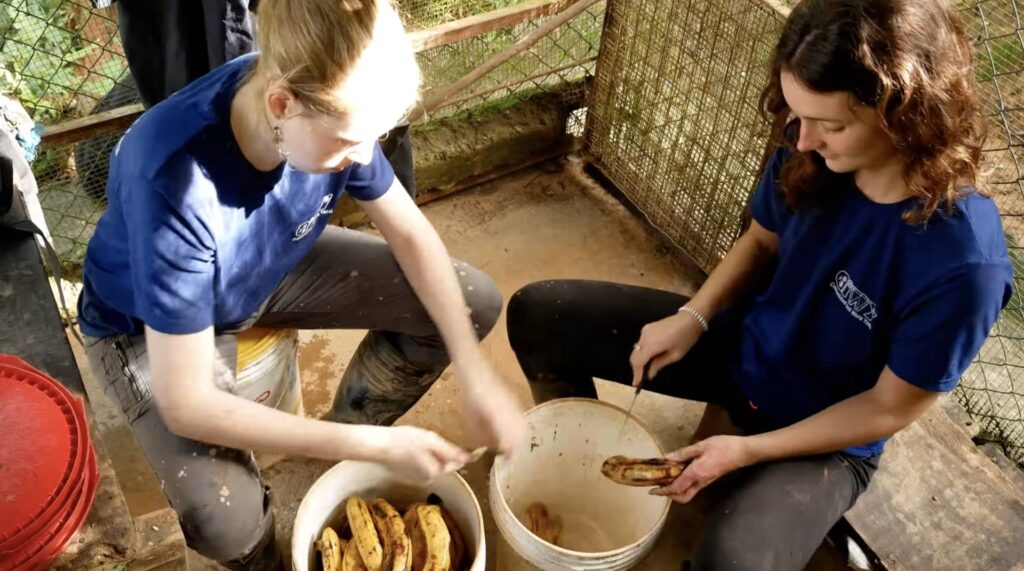
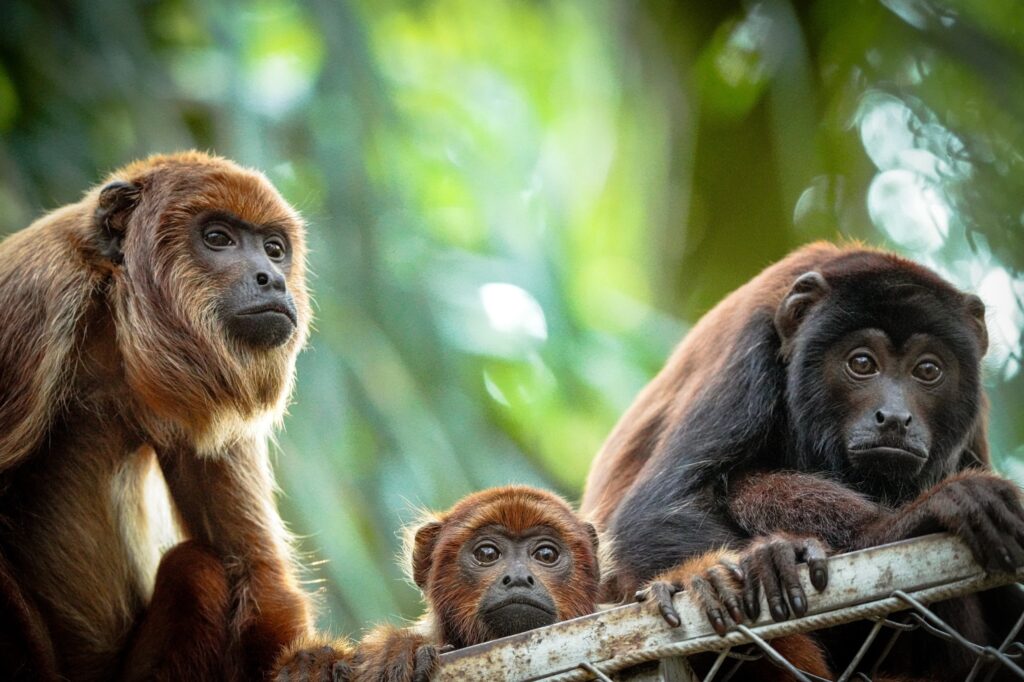
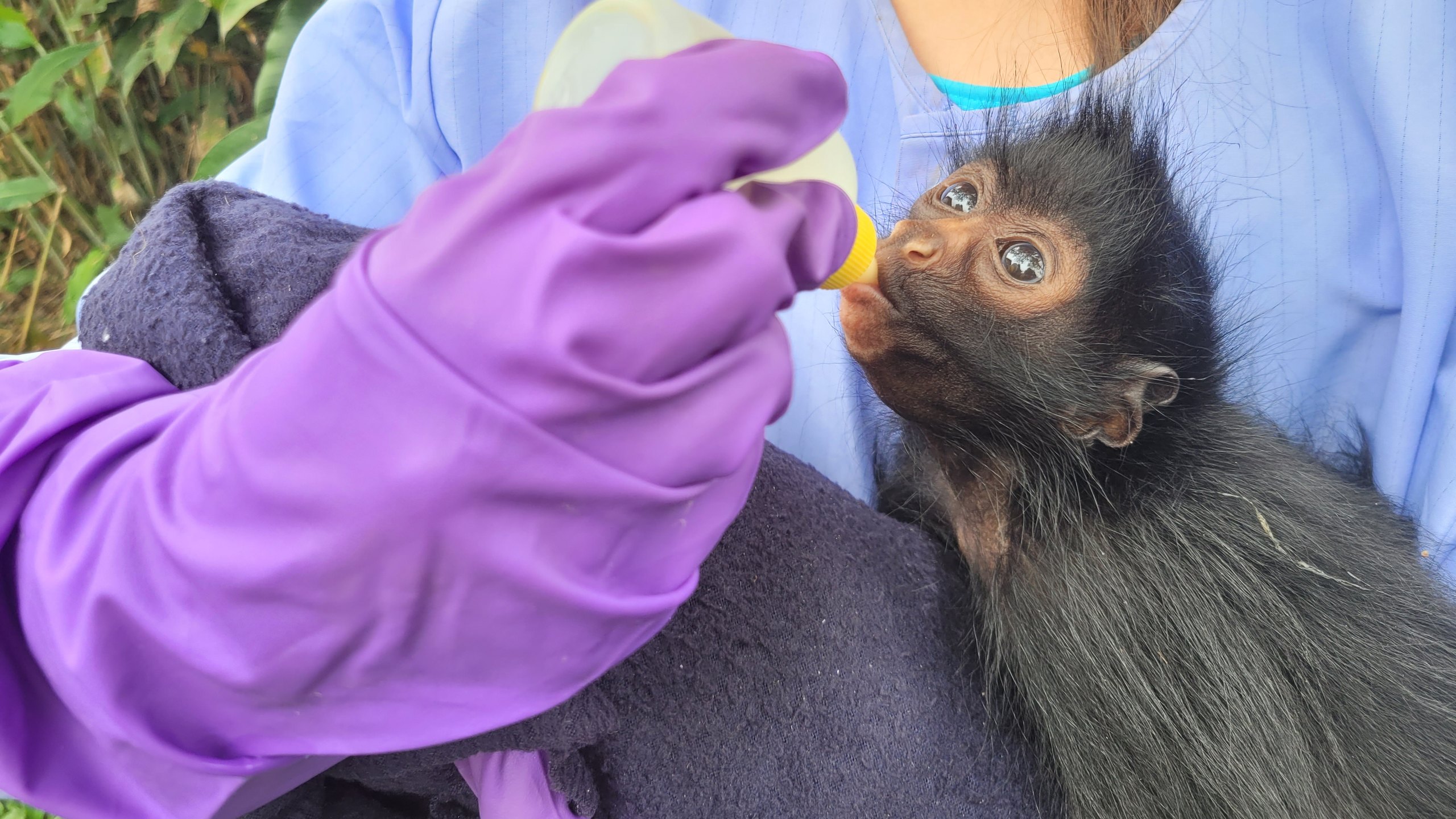
Poaching, illegal trade and habitat loss persist, including for species at risk of extinction, while no sufficient government infrastructure exists to care for confiscated and rescued animals. CIWY helps fill this critical gap by rescuing, rehabilitating, and protecting wildlife and their habitats in line with government regulations. Our work also includes developing and implementing protocols for the ethical rehabilitation and release of wildlife, helping ensure that rescued animals can return to the wild without compromising existing wild populations or ecosystems. In parallel, we work to restore ecosystems damaged by wildfires and other threats, while promoting environmental education and awareness to strengthen understanding of Bolivia’s wildlife and empower future generations to protect its ecosystems.
CIWY today
- 30+ years
- 2 sanctuaries
- 500+ animals
- 1,300+ hectares
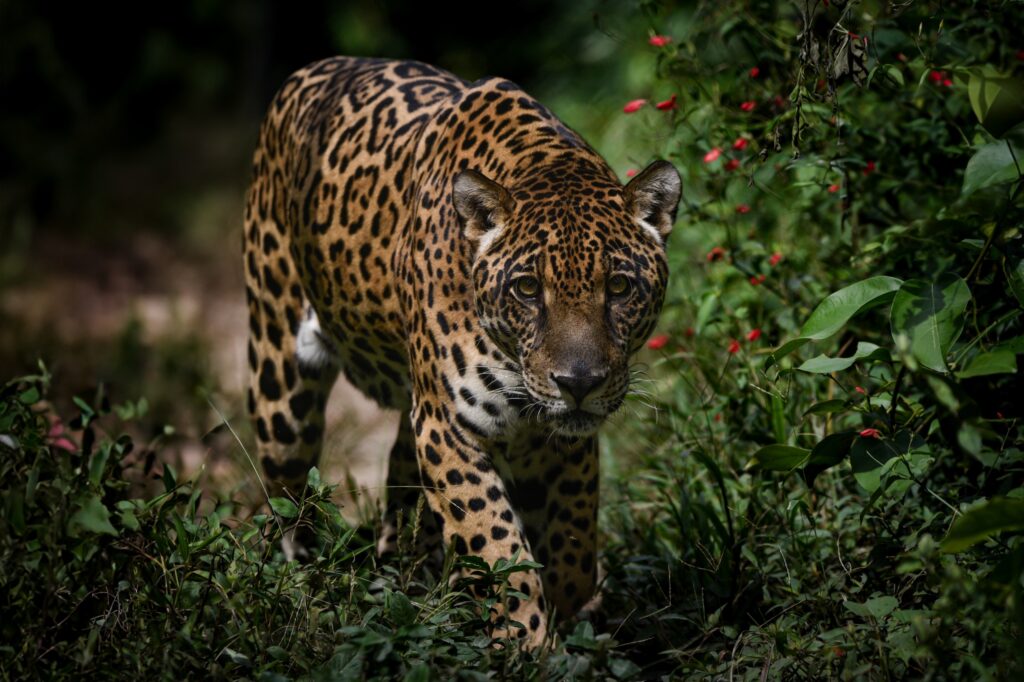
Where Hope Begins
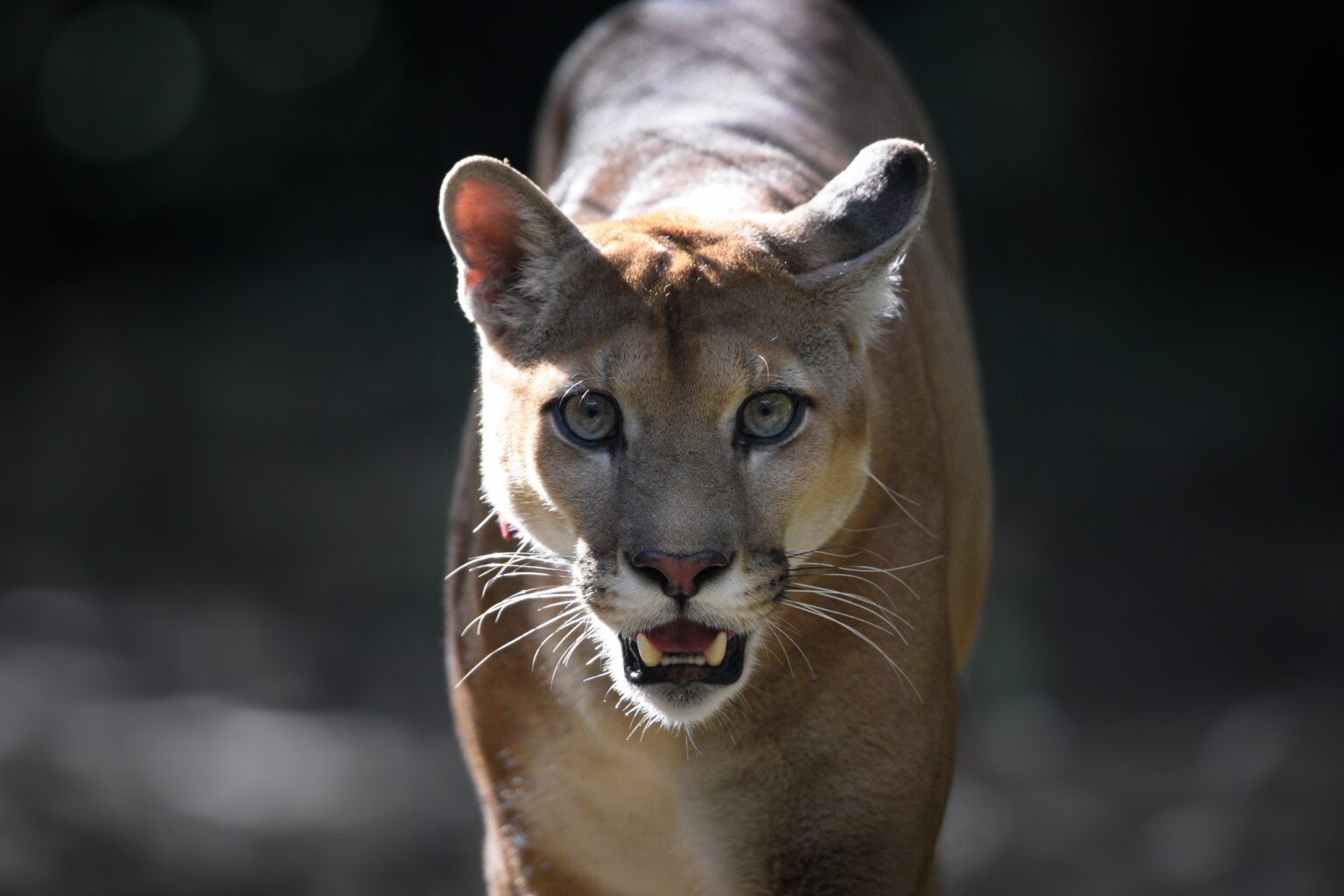
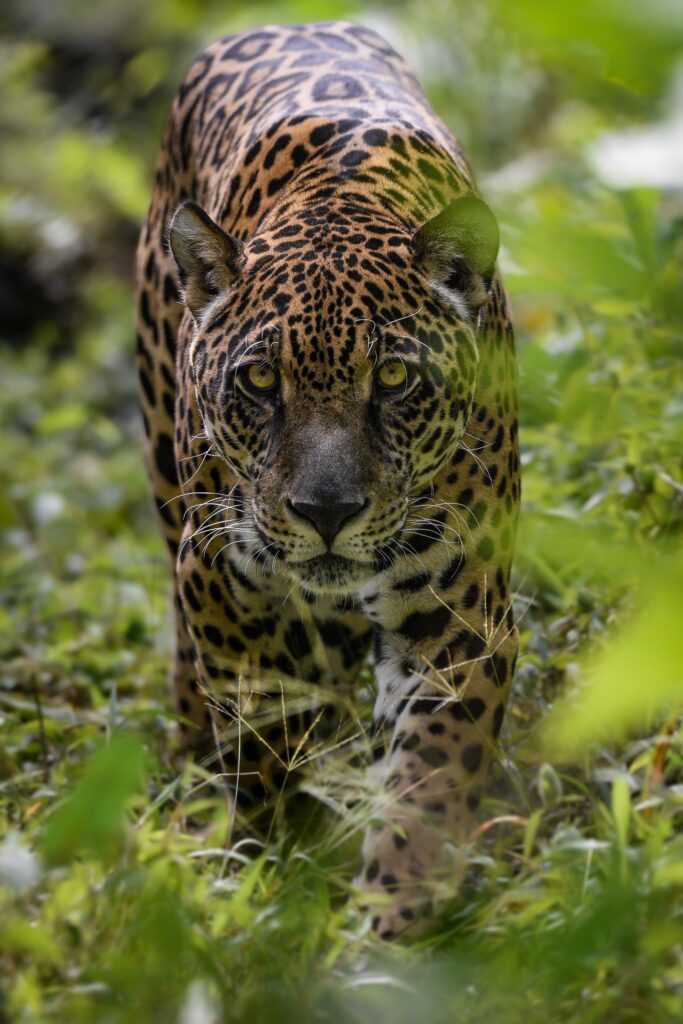
In 2024, Sanctuary Ambue Ari received a rescued jaguar cub. After almost two years of careful rehabilitation, she was released into the wild in June 2026.