



Our Sanctuaries
Discover our sanctuaries and how each location contributes to wildlife rescue, care, and conservation efforts.
Two sanctuaries, one mission
CIWY operates two unique wildlife sanctuaries across Bolivia, each playing a vital role in rescue, care, and conservation.
While every location has its own focus and environment, they all share the same mission: providing rescued animals with a safe and natural space to recover and thrive.
- 30+ Years Of Wildlife Protection & Conservation
- 2 Sanctuaries Protecting Rescued Wildlife
- 500+ Animals Currently Cared For in Our Sanctuaries
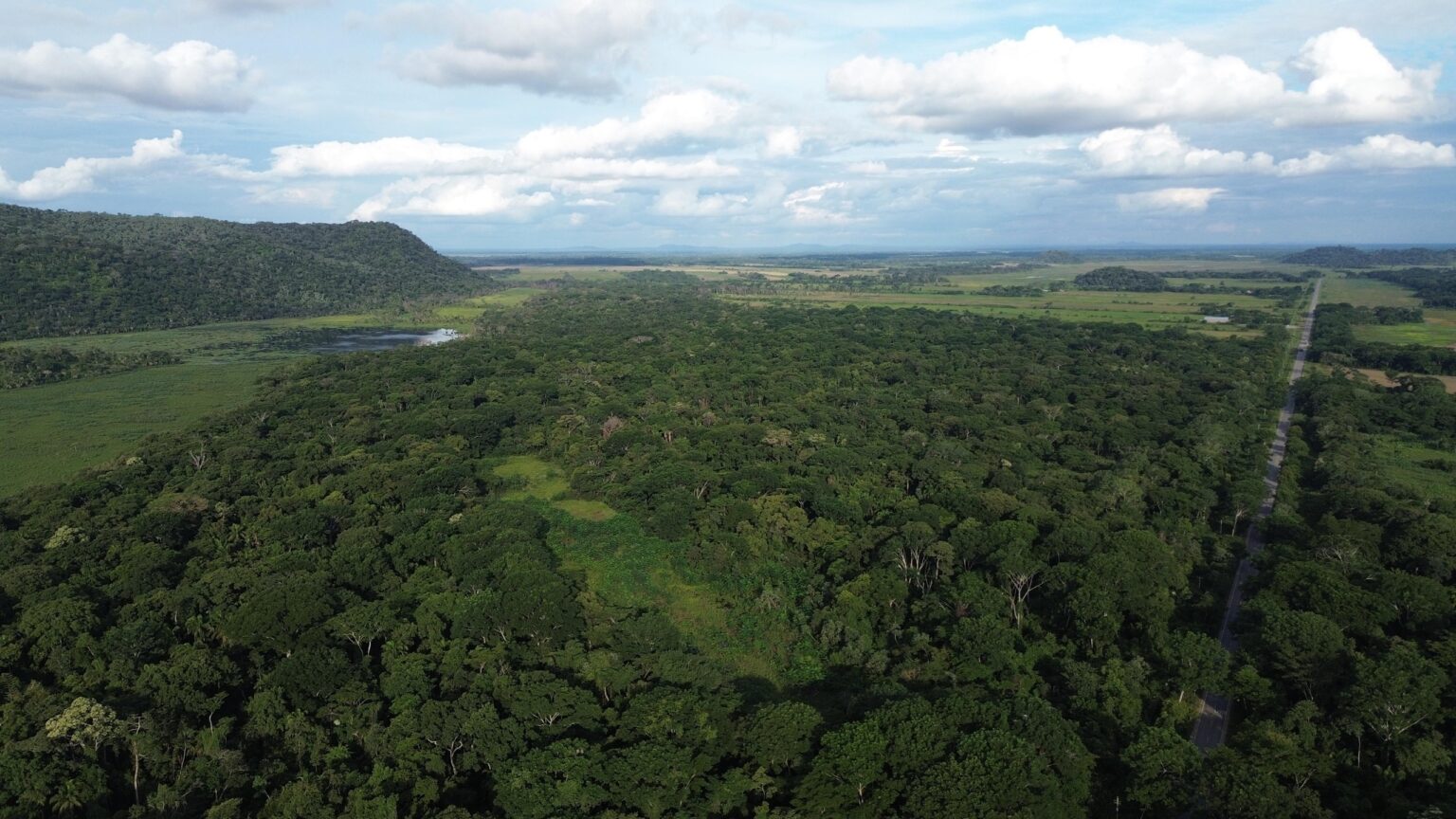
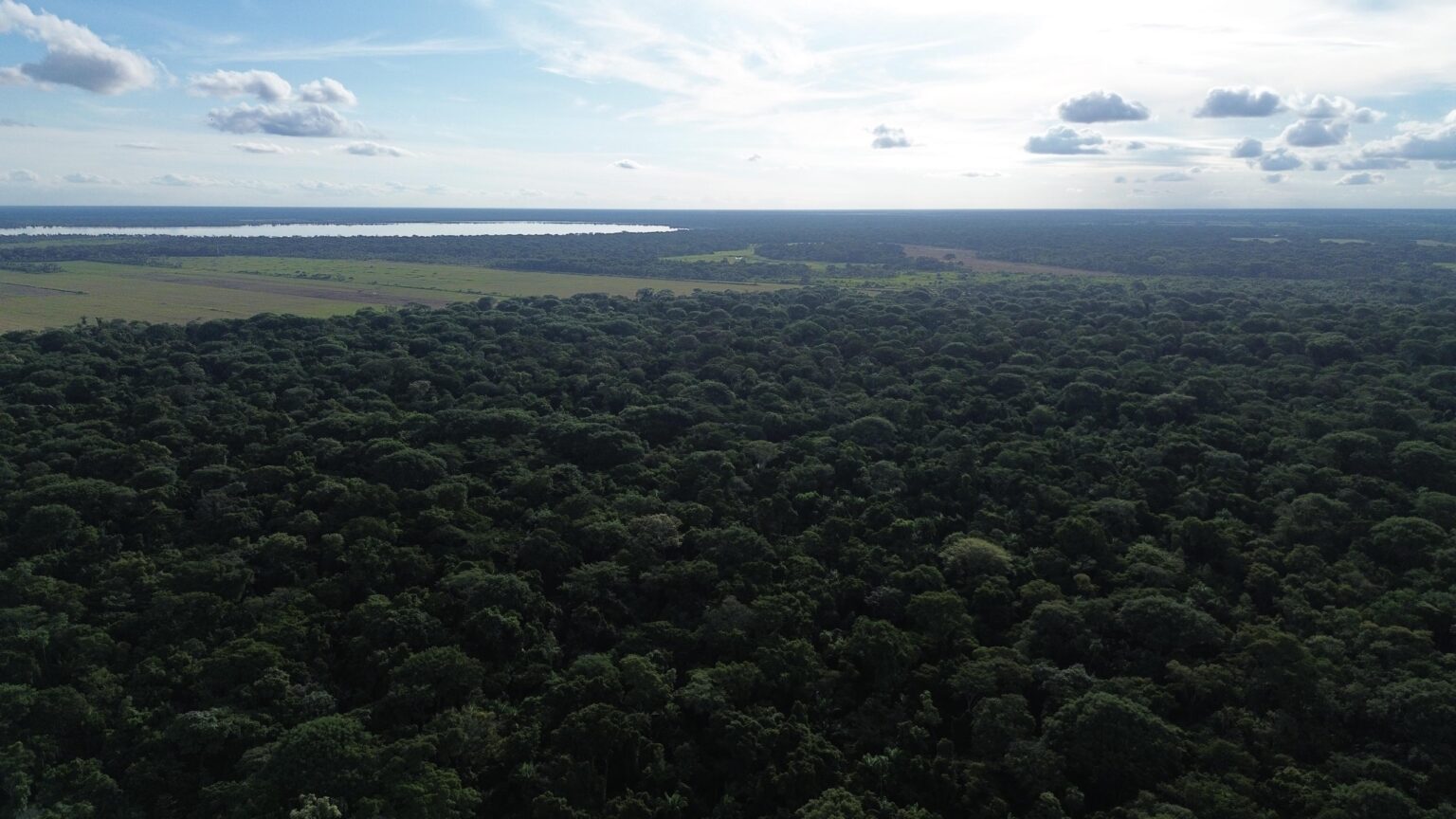
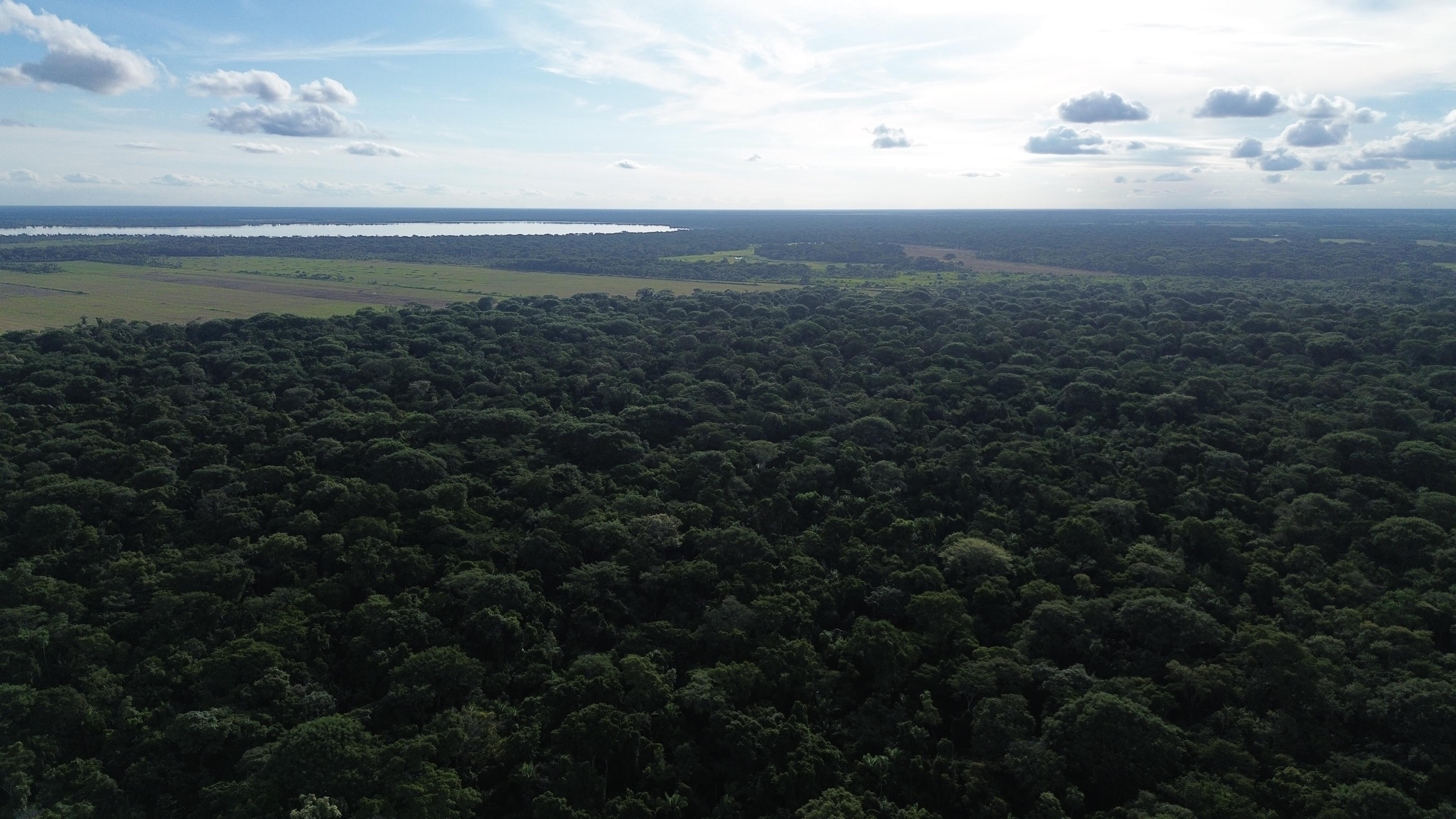
- 1,300+ Hectares Of Rainforest Protected
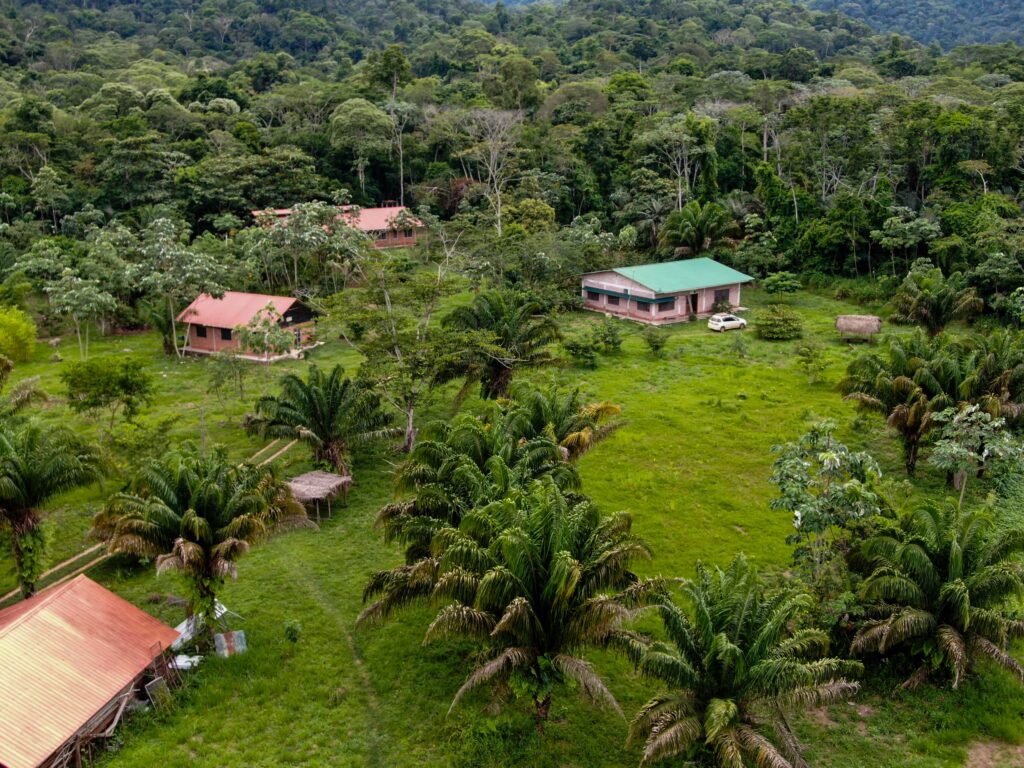
Parque Jacj Cuisi
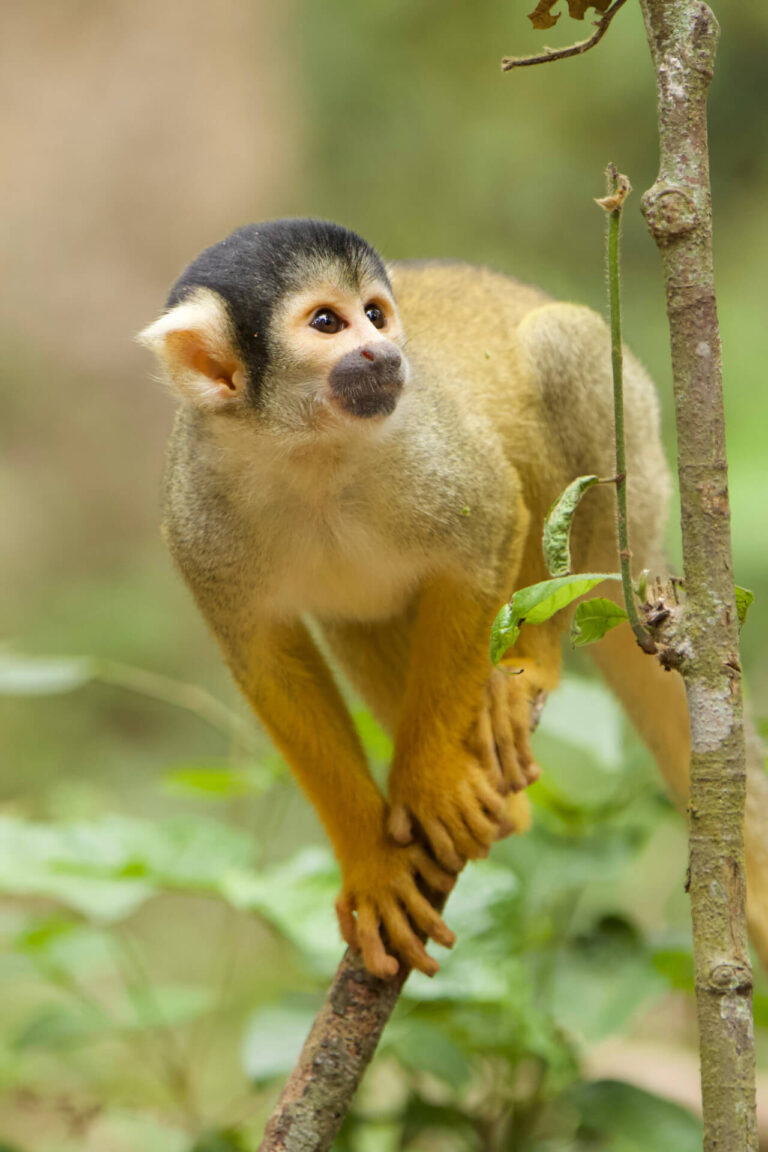
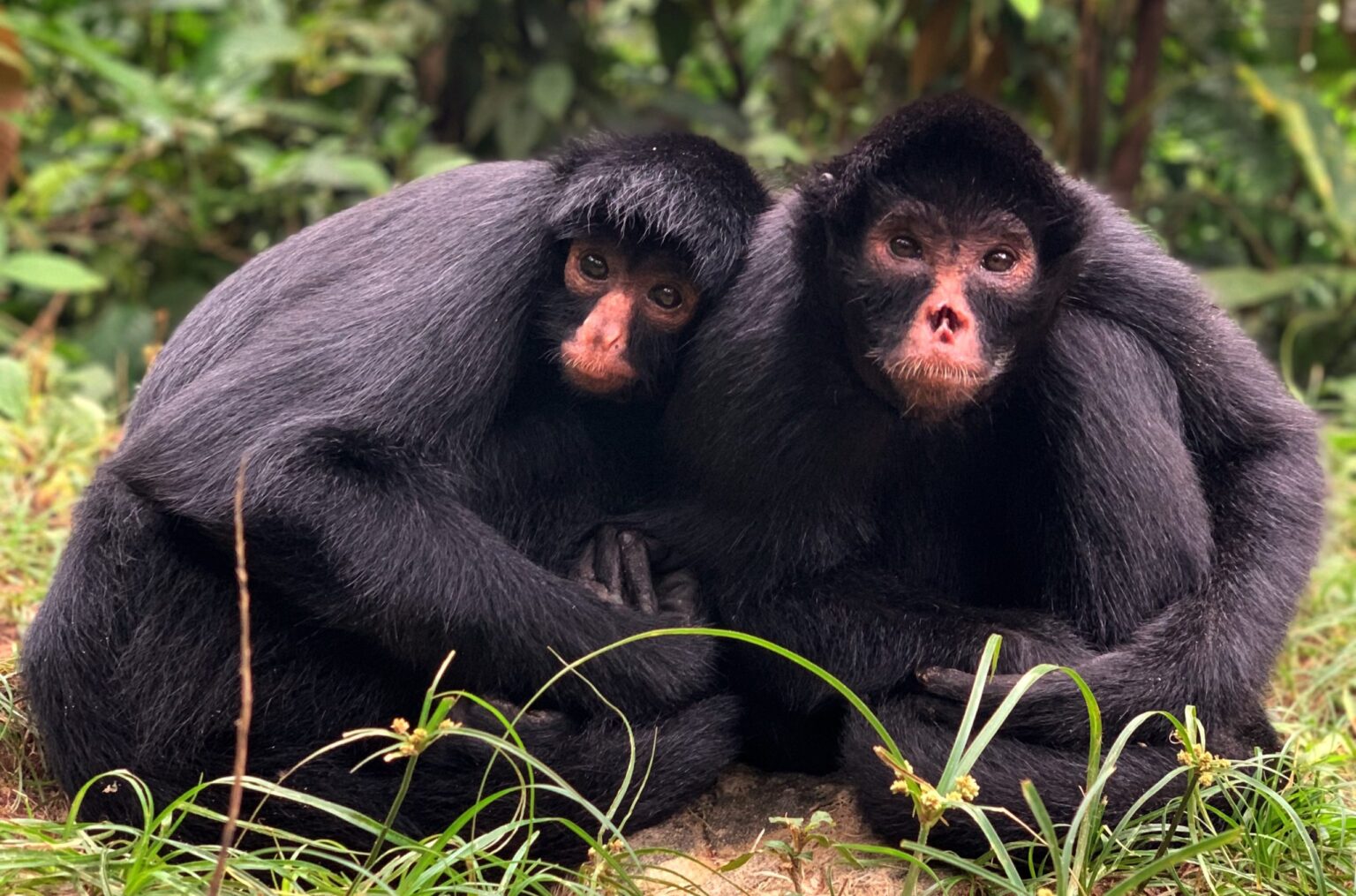
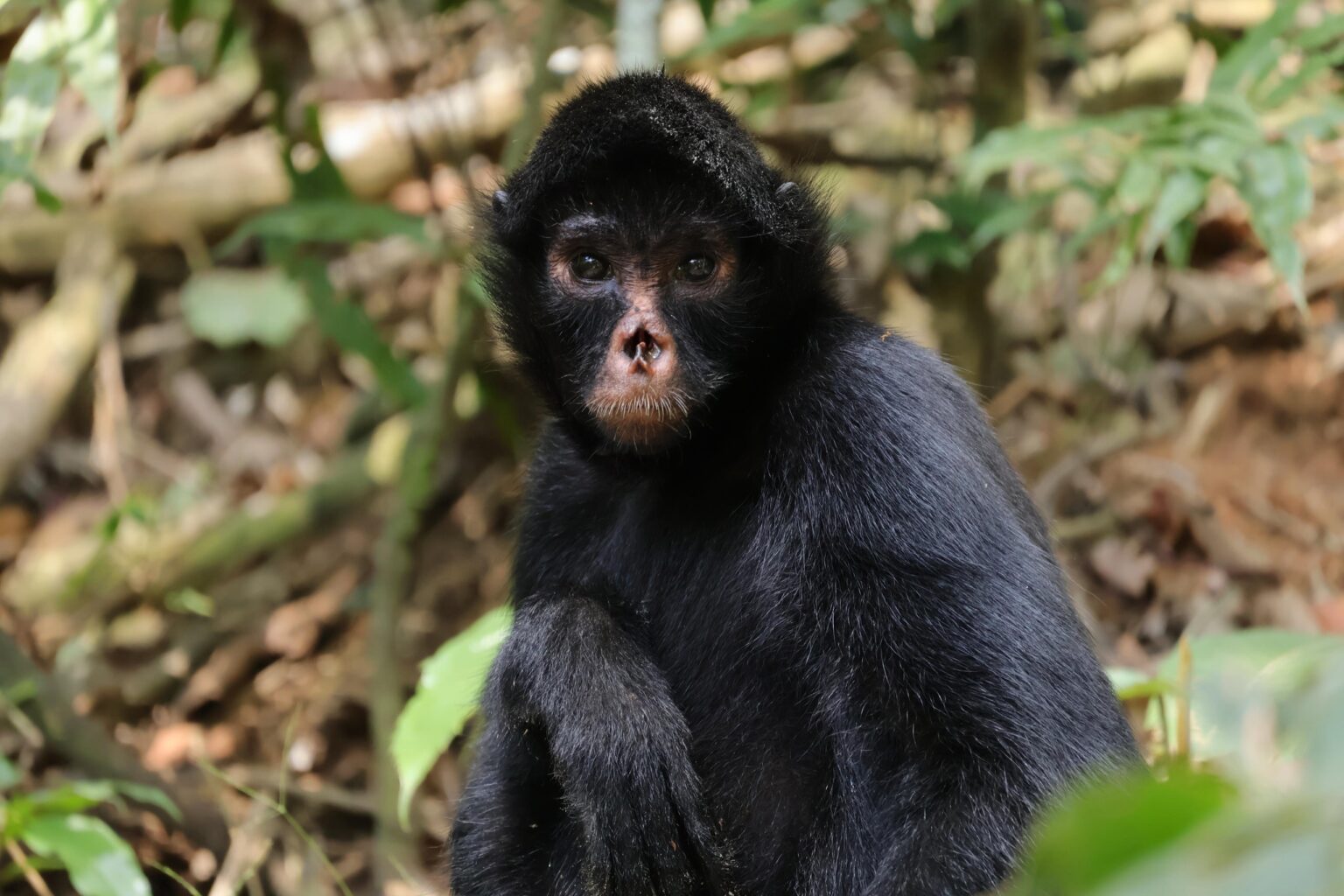
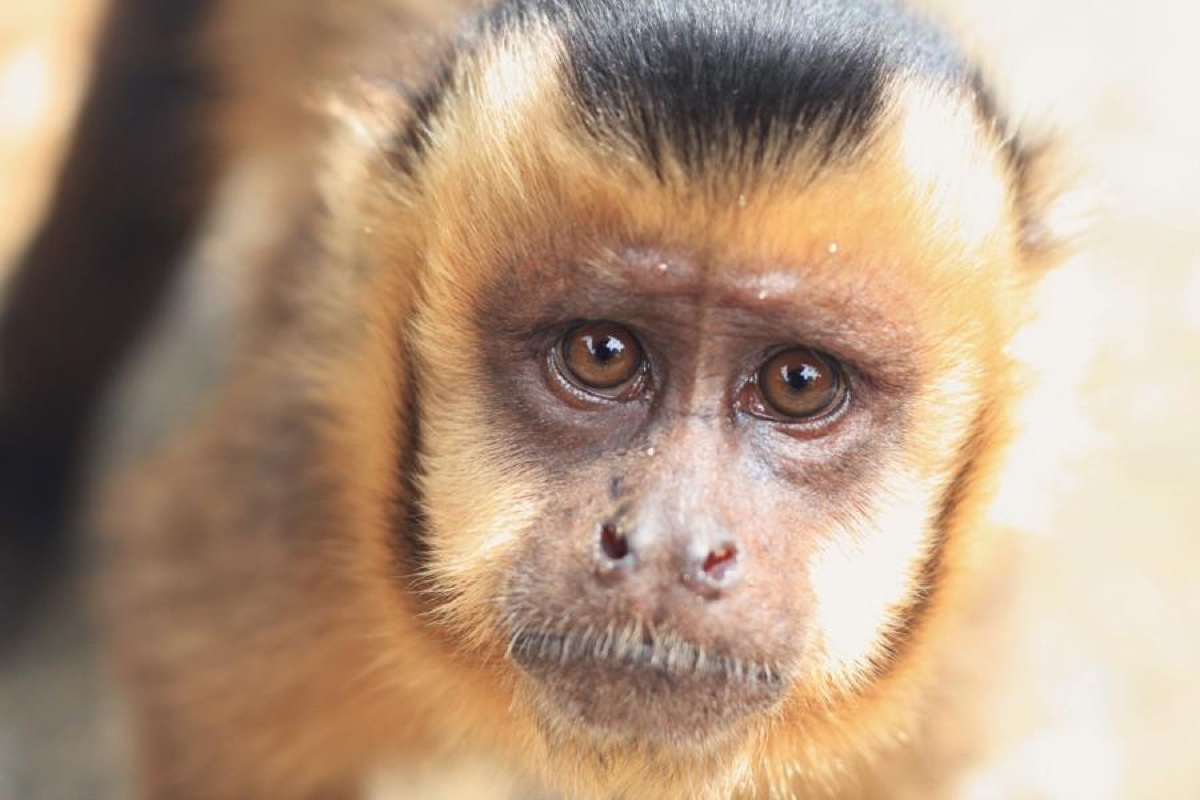
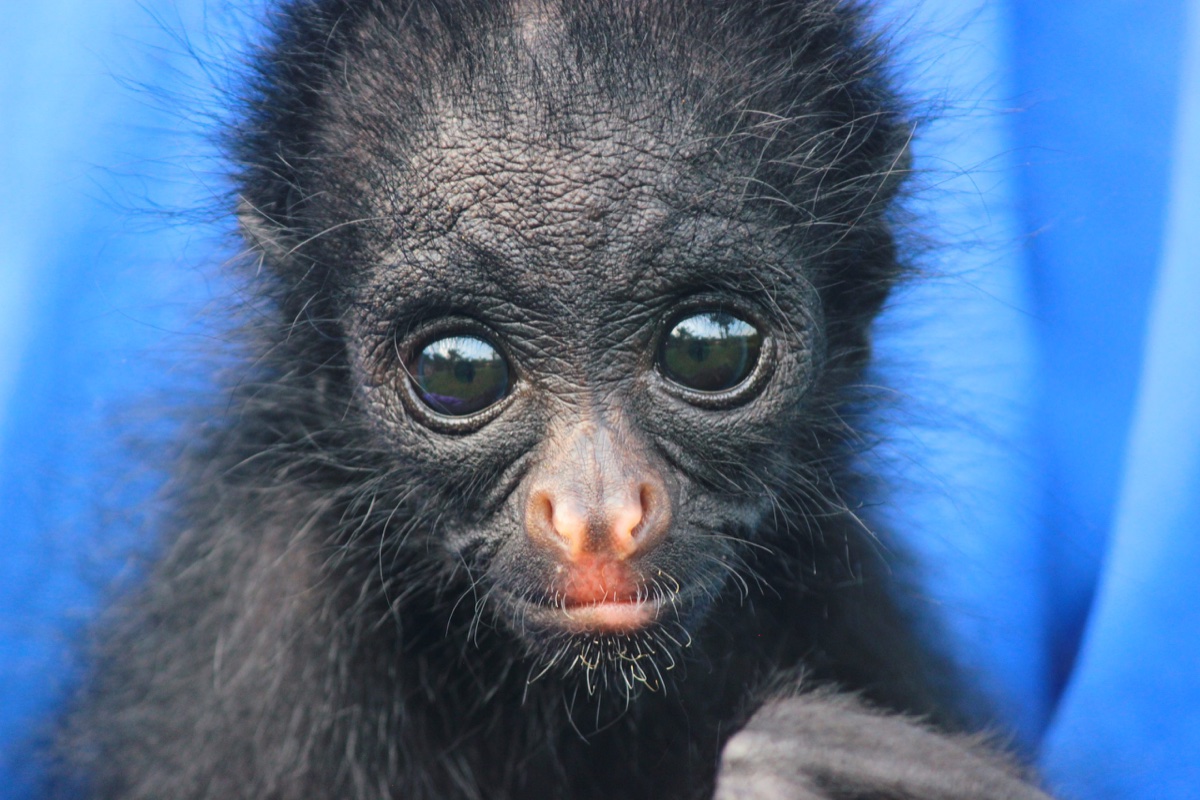
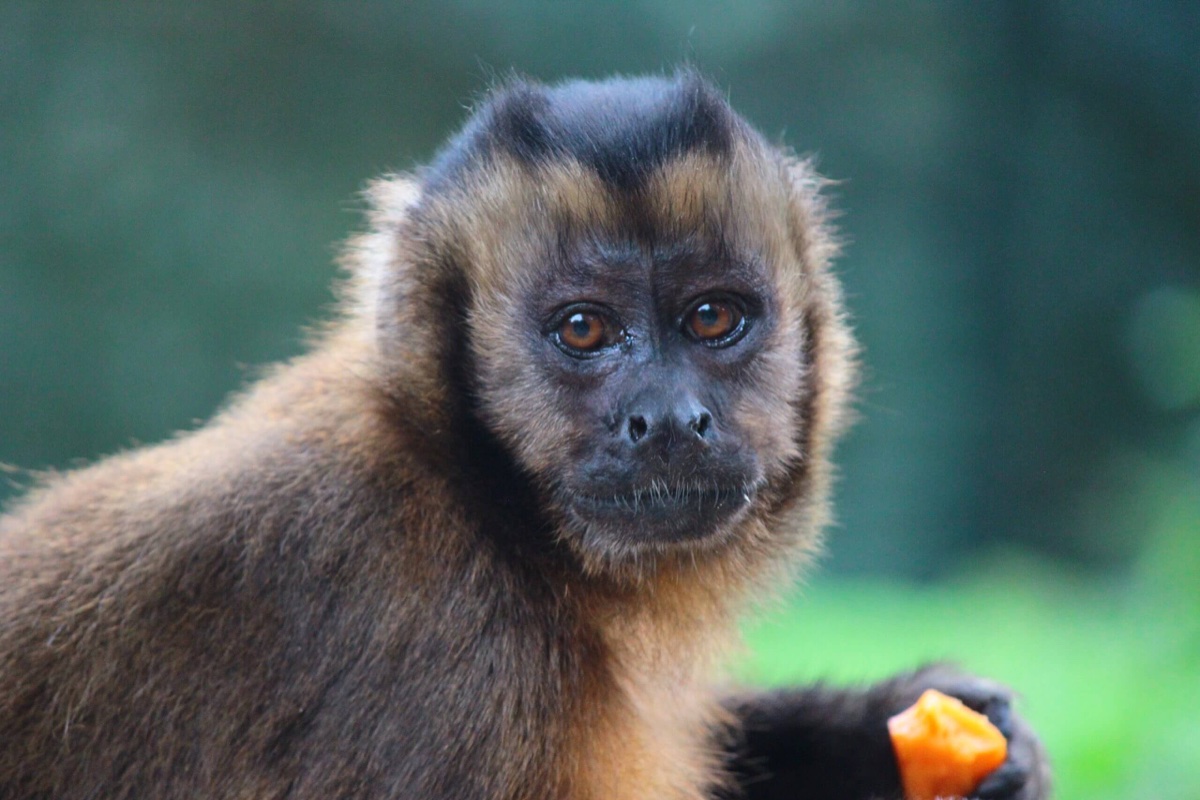
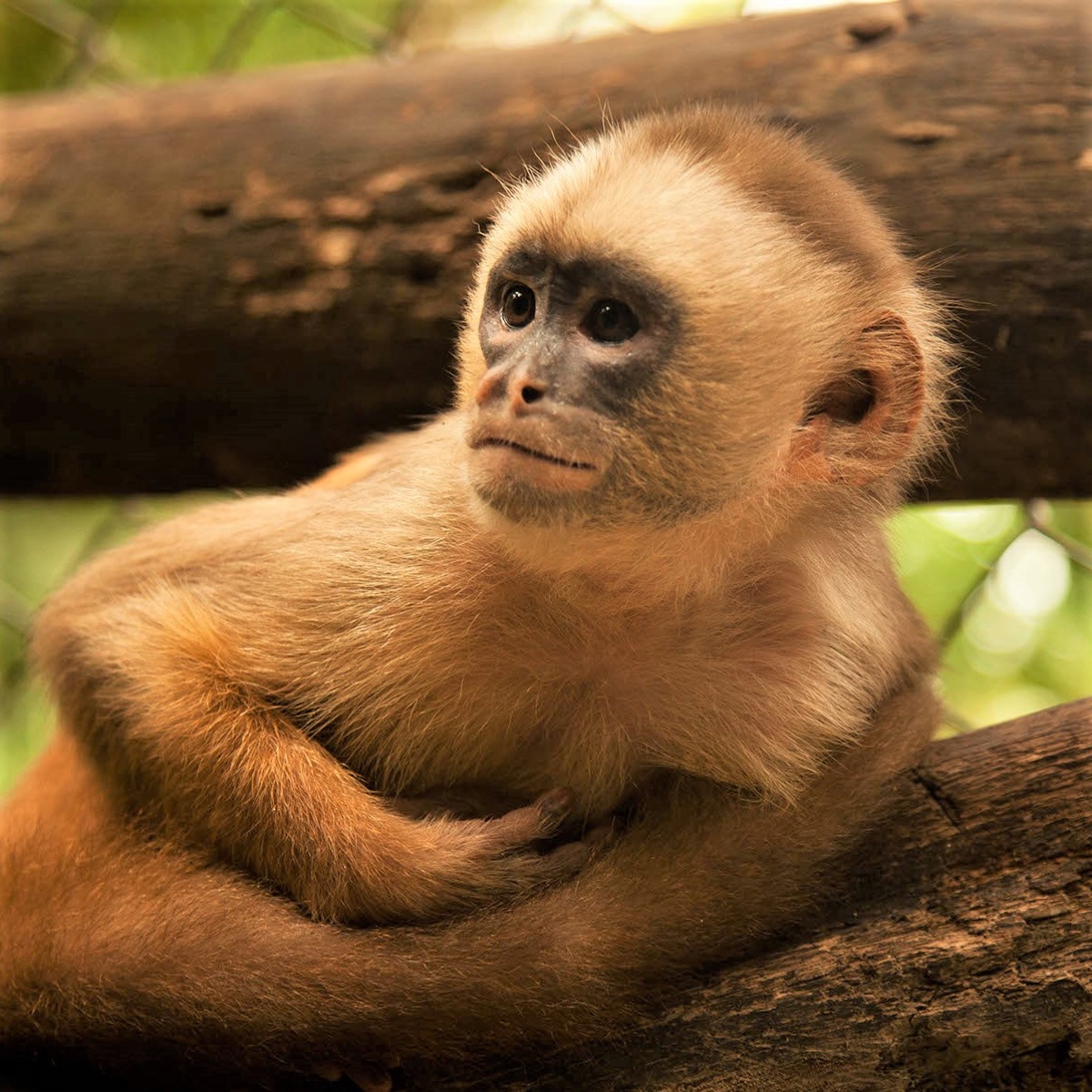
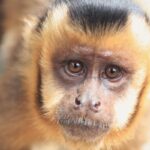
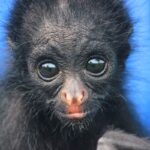
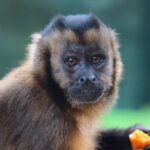
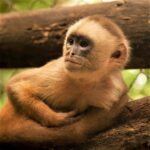
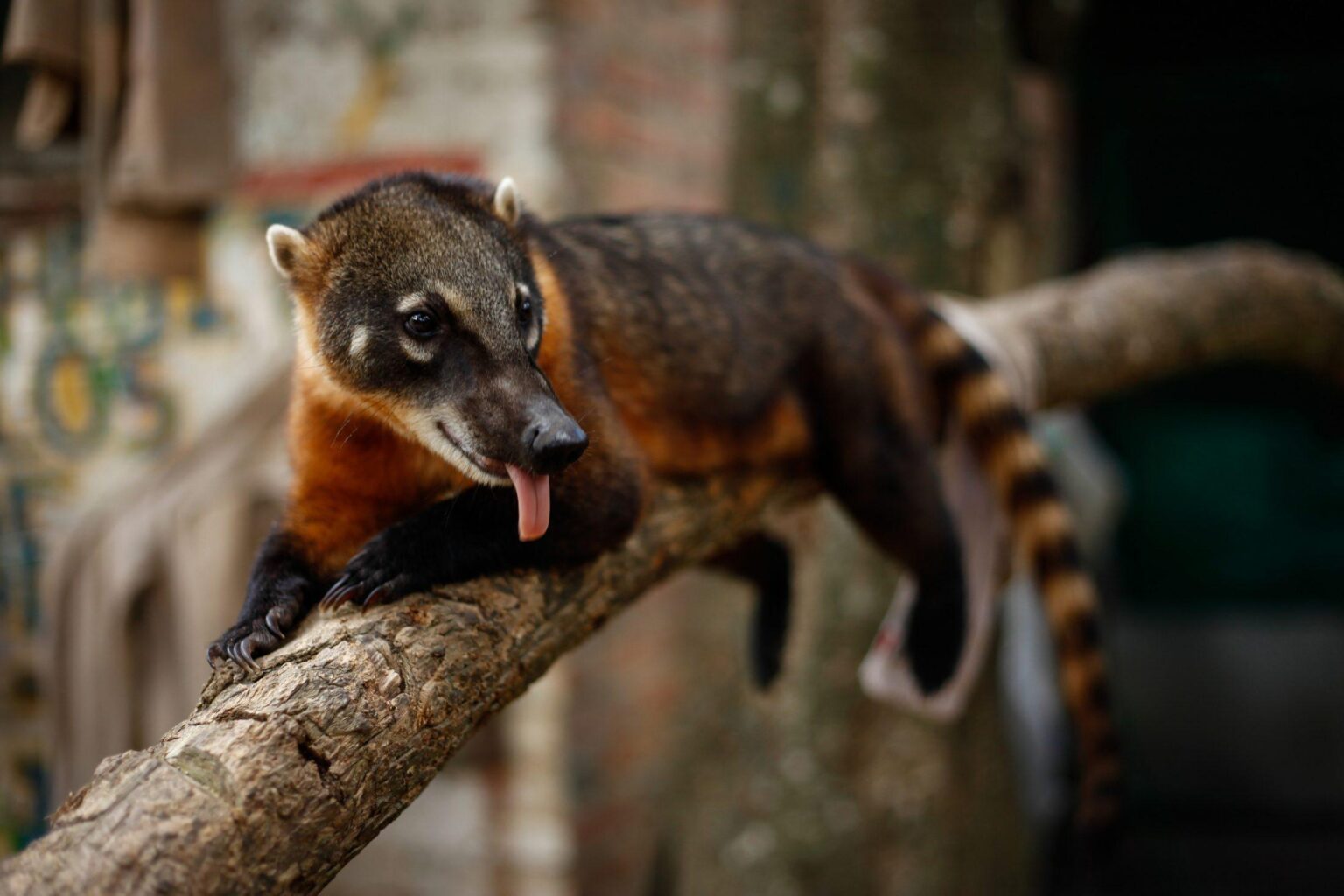
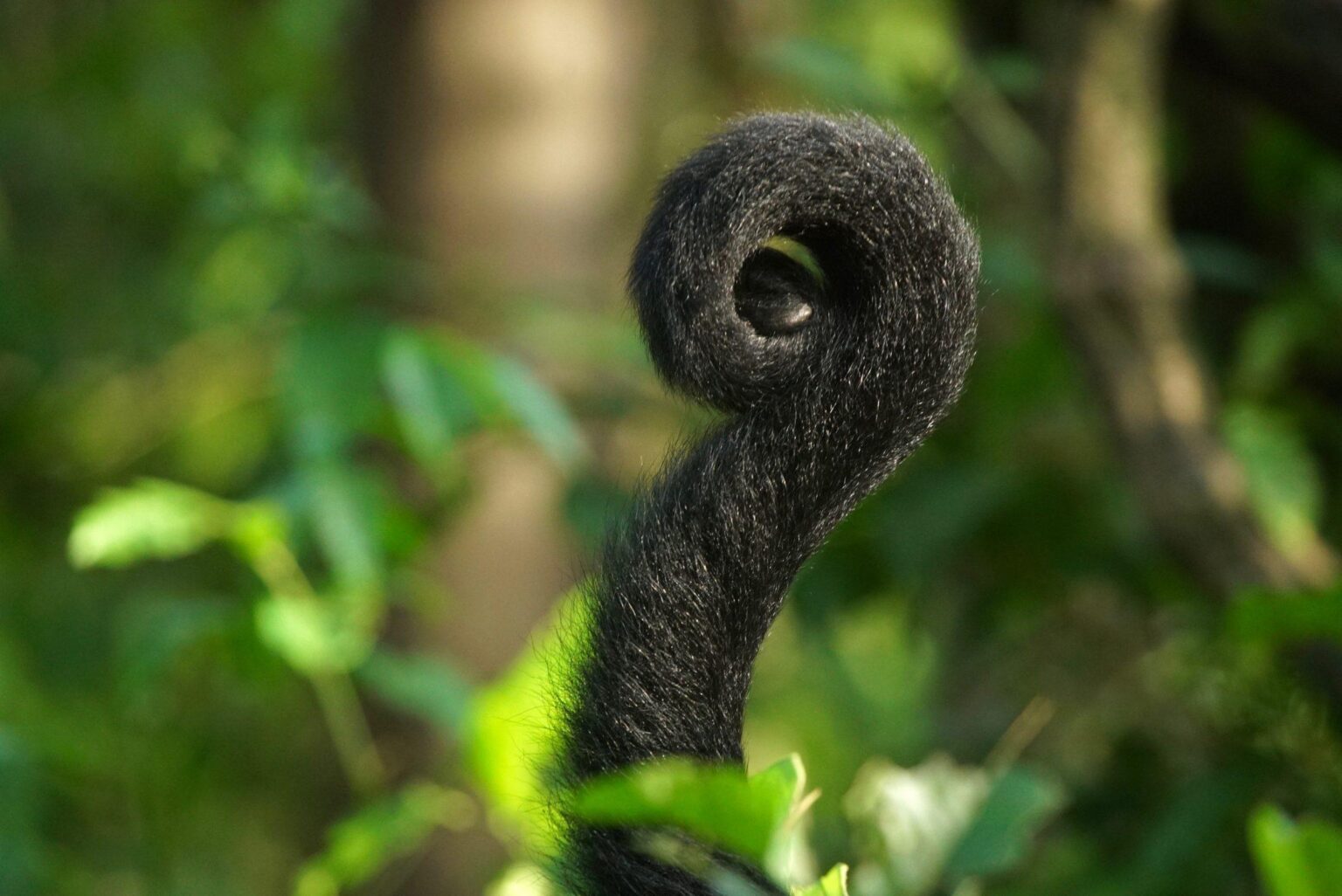
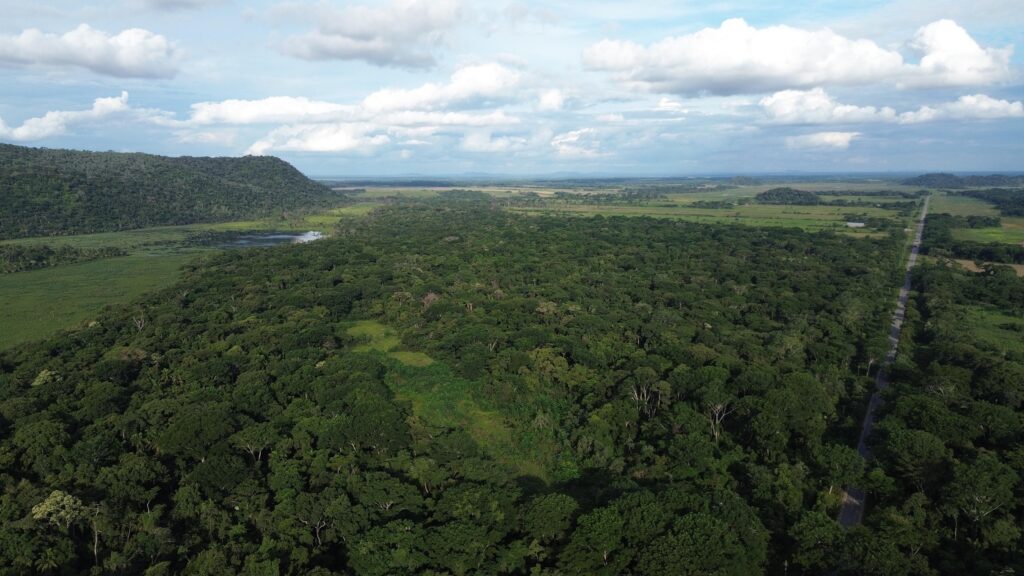
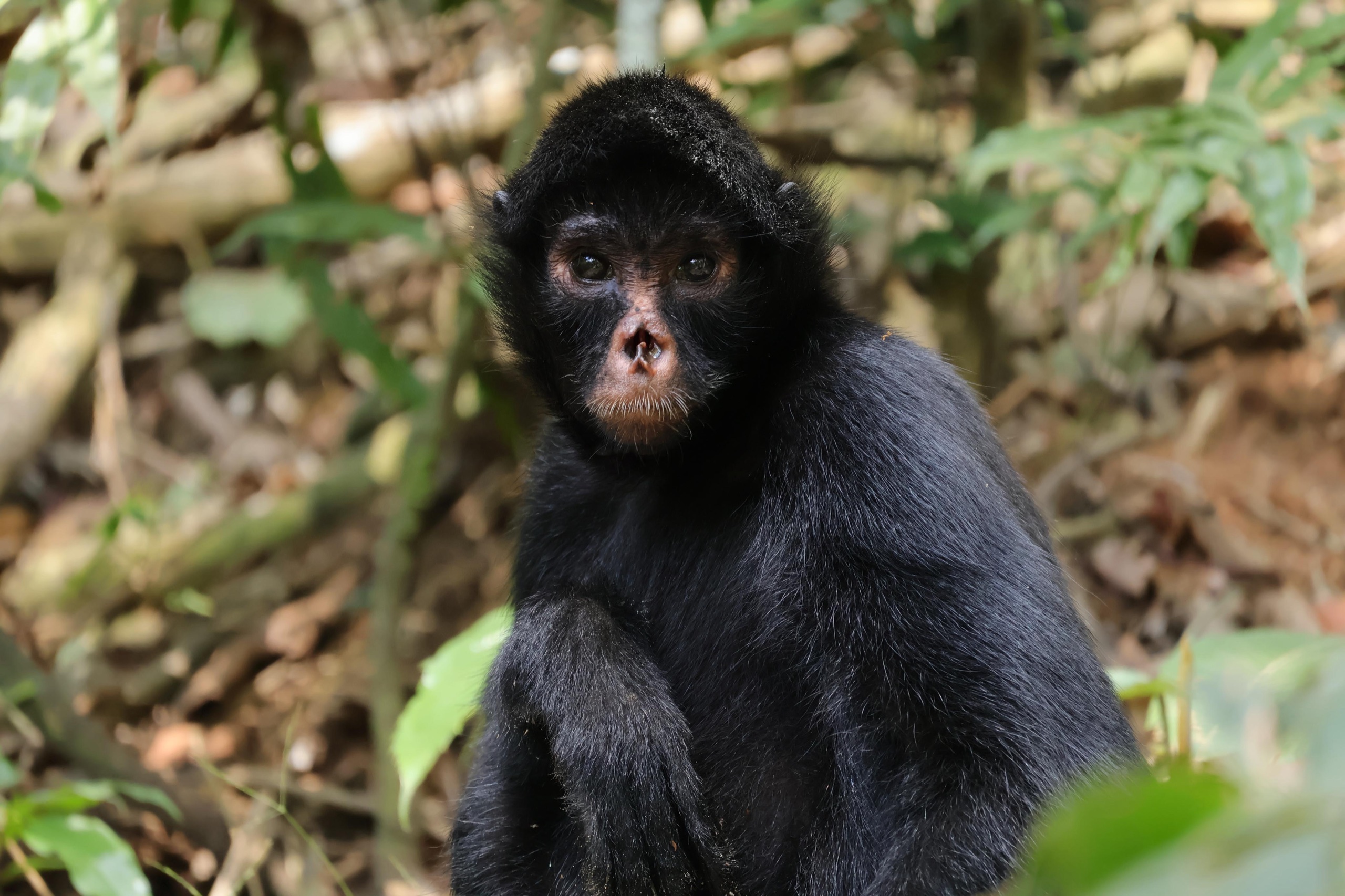
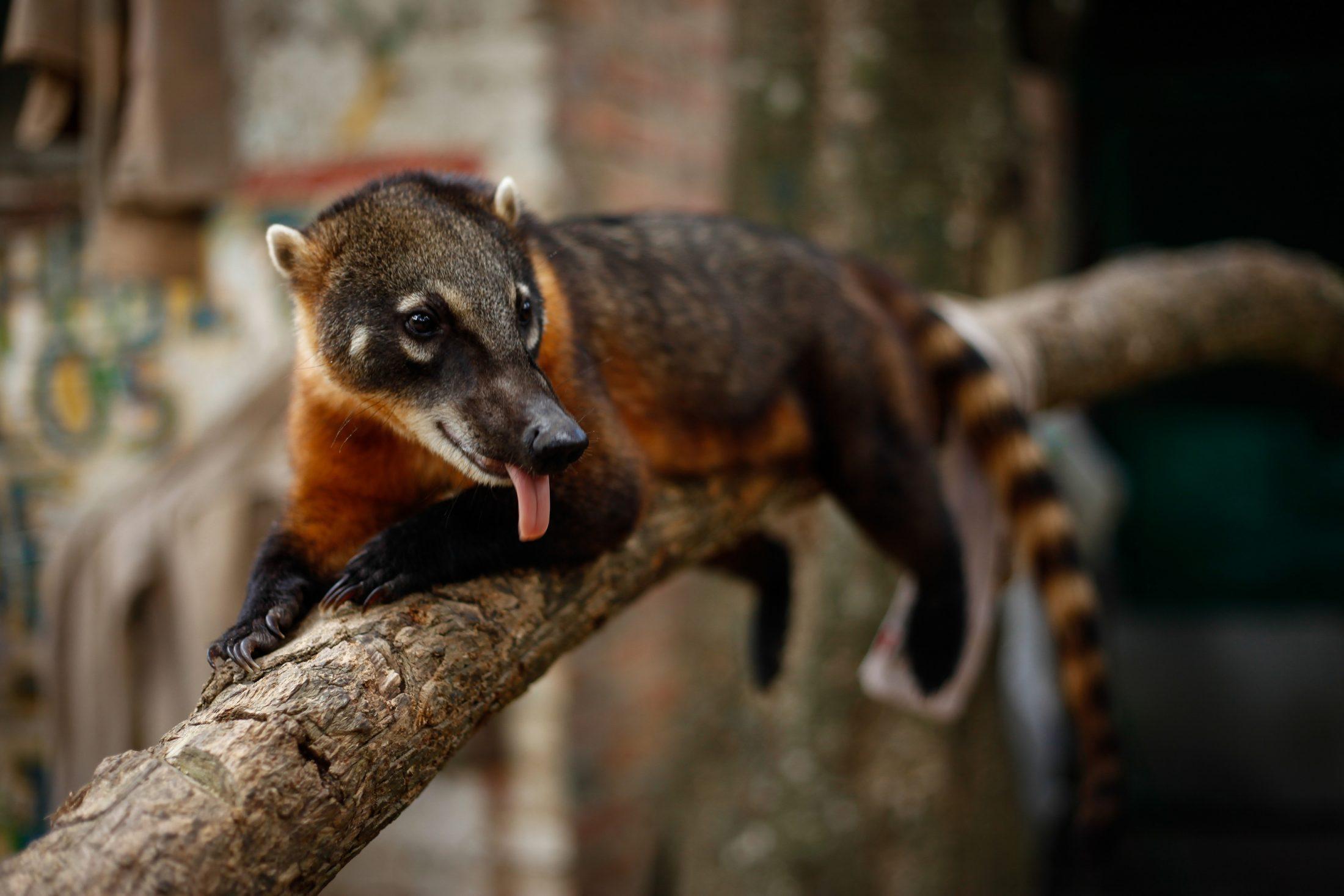
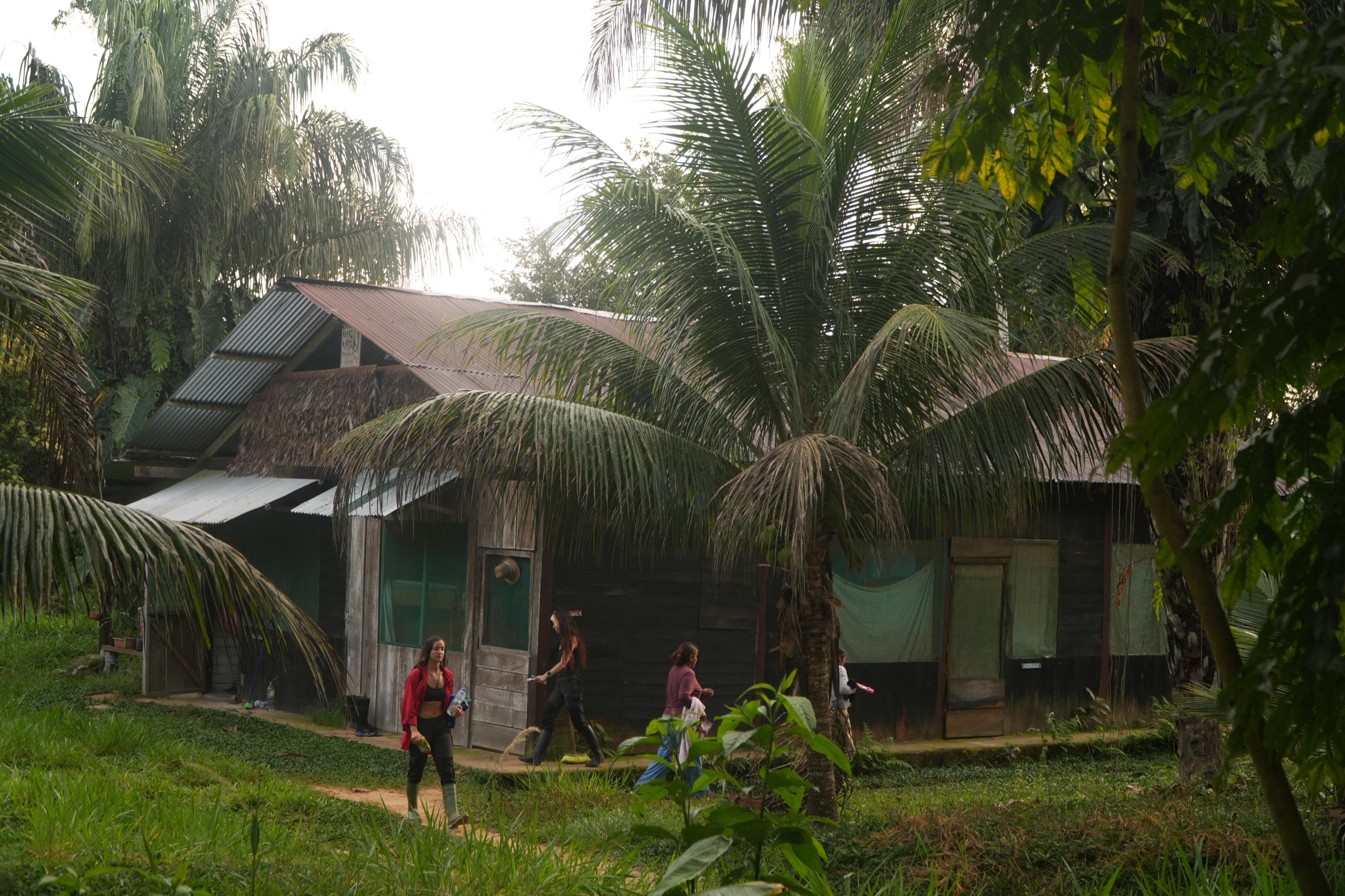
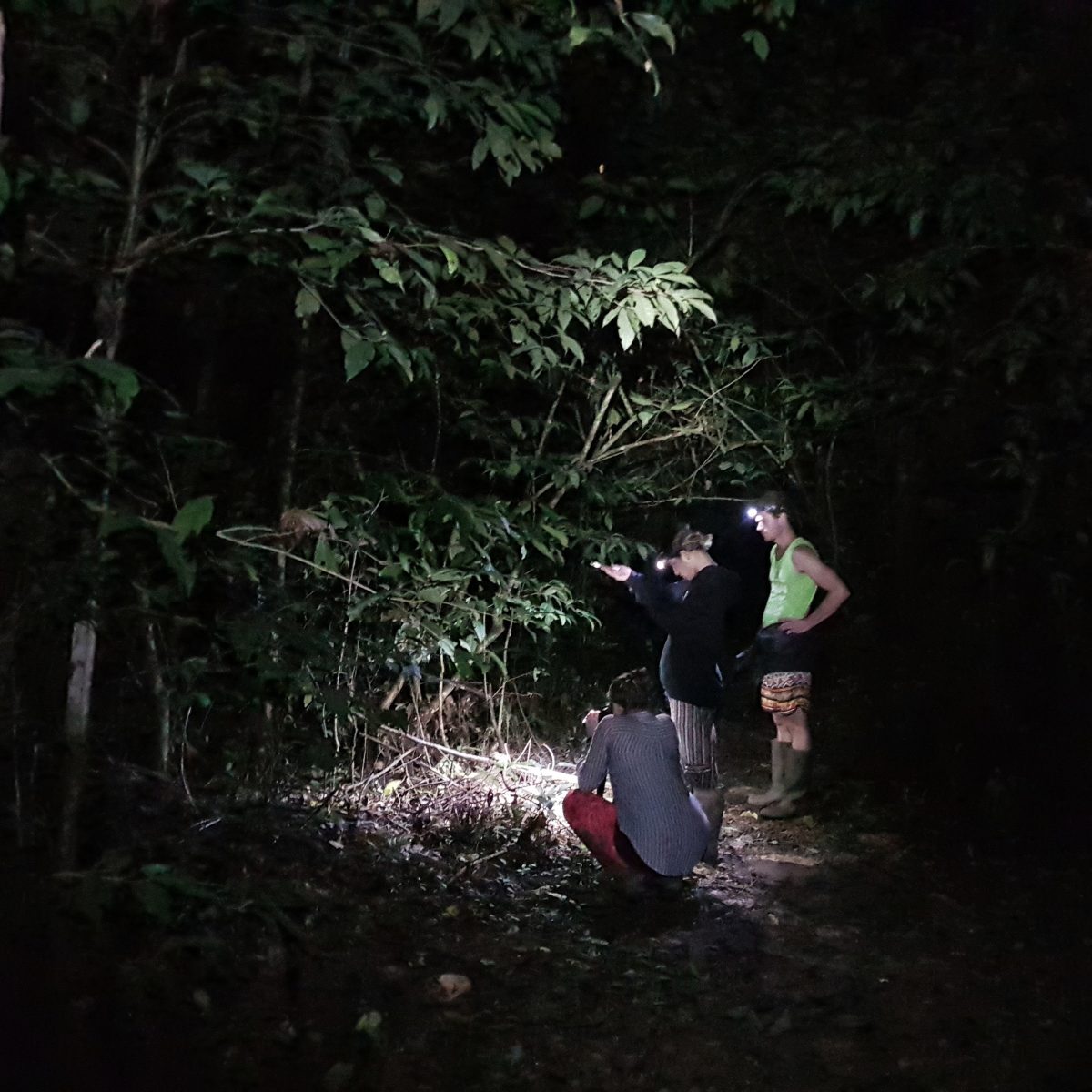
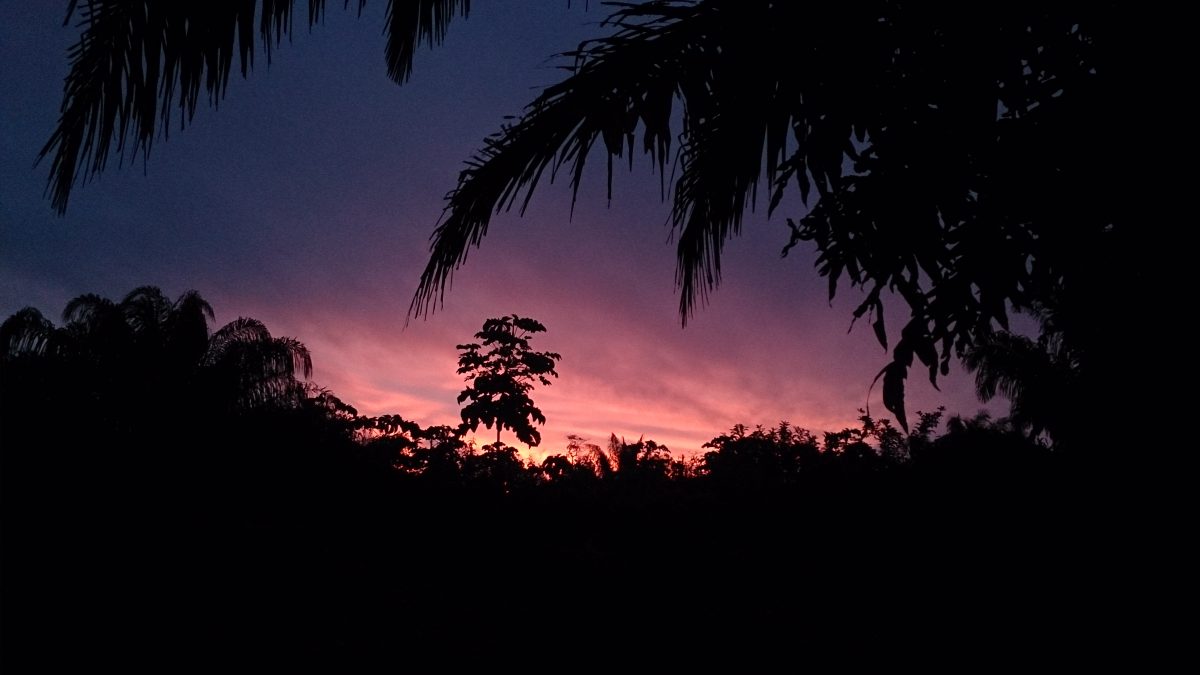
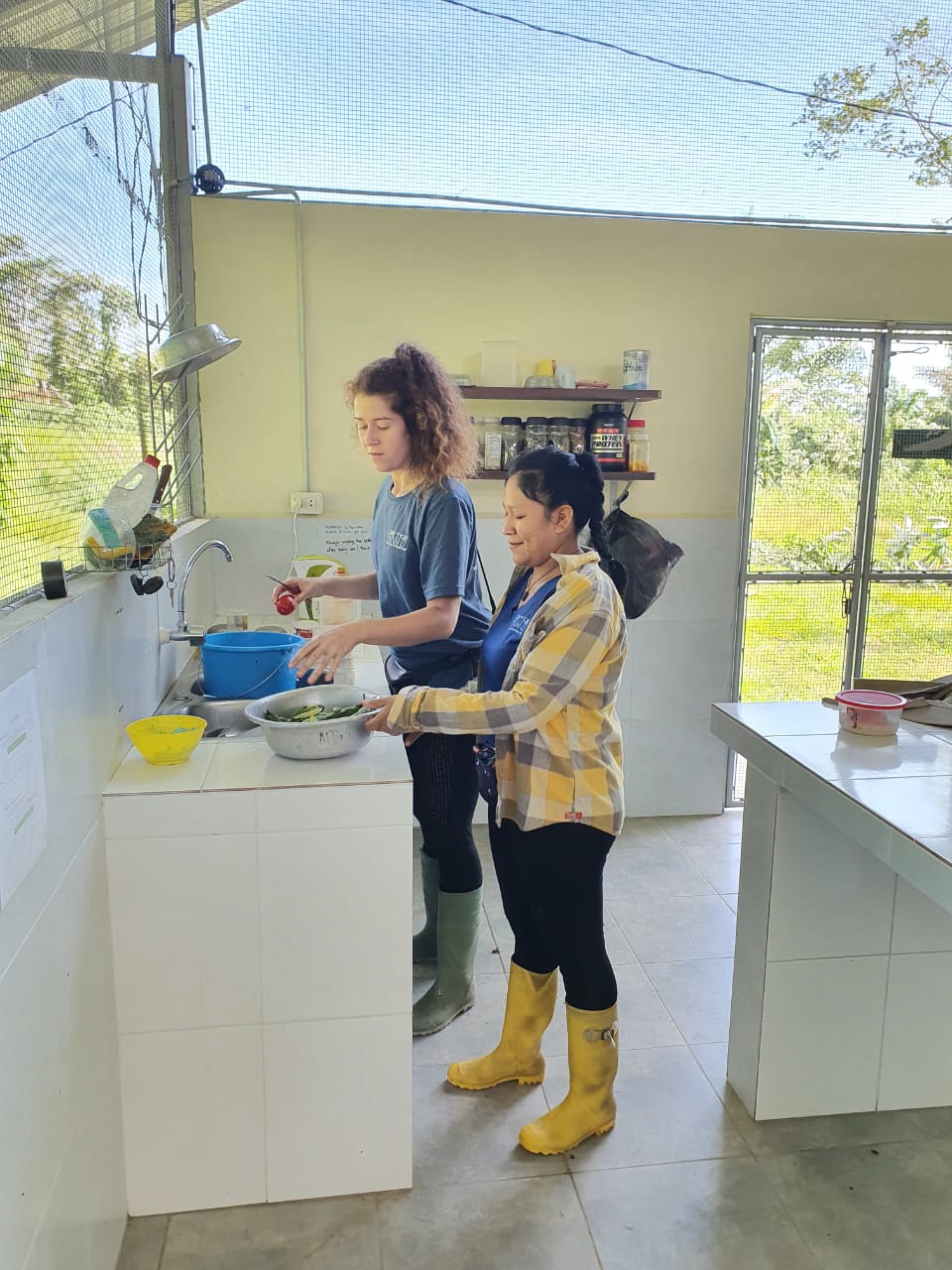
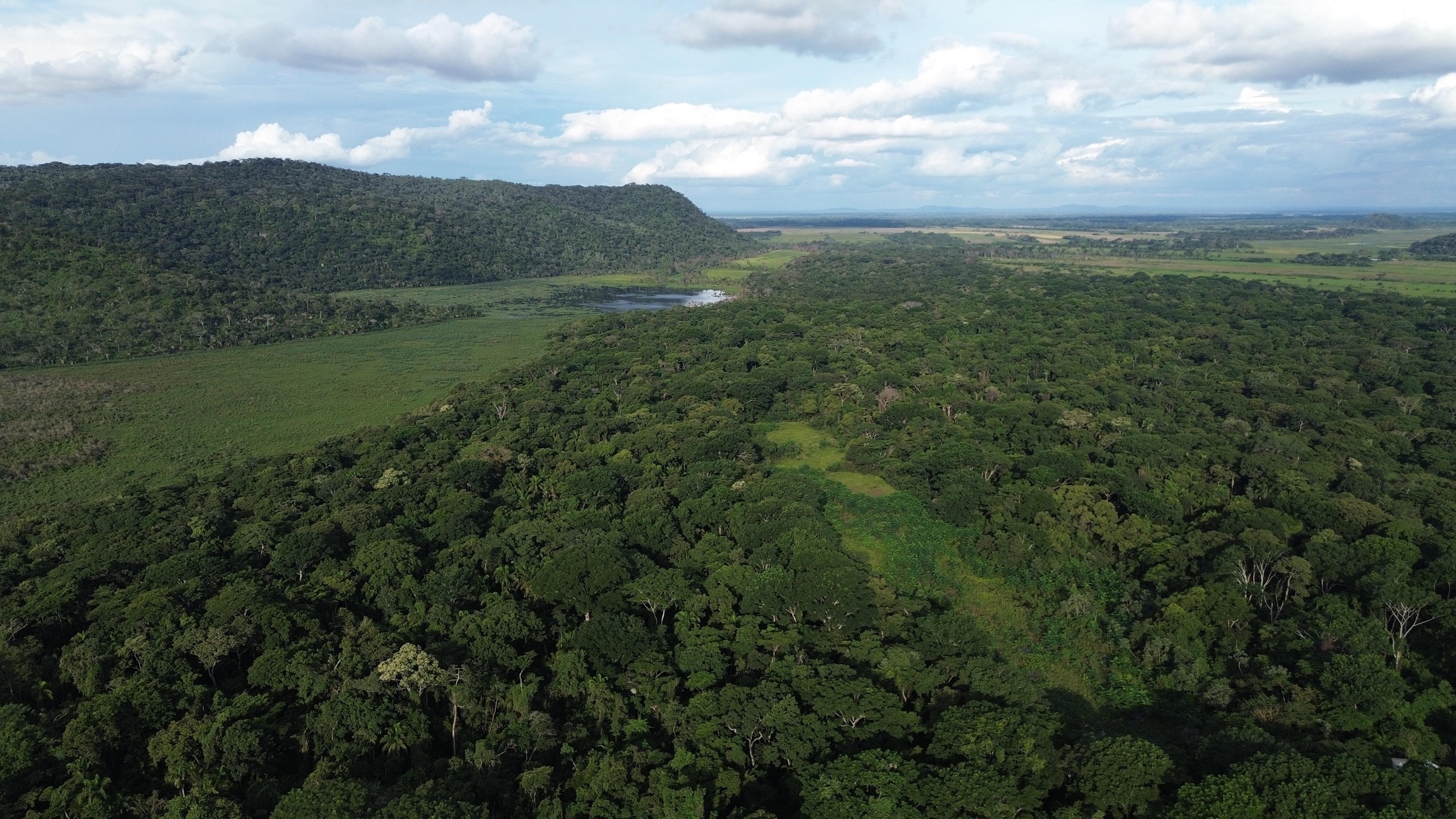
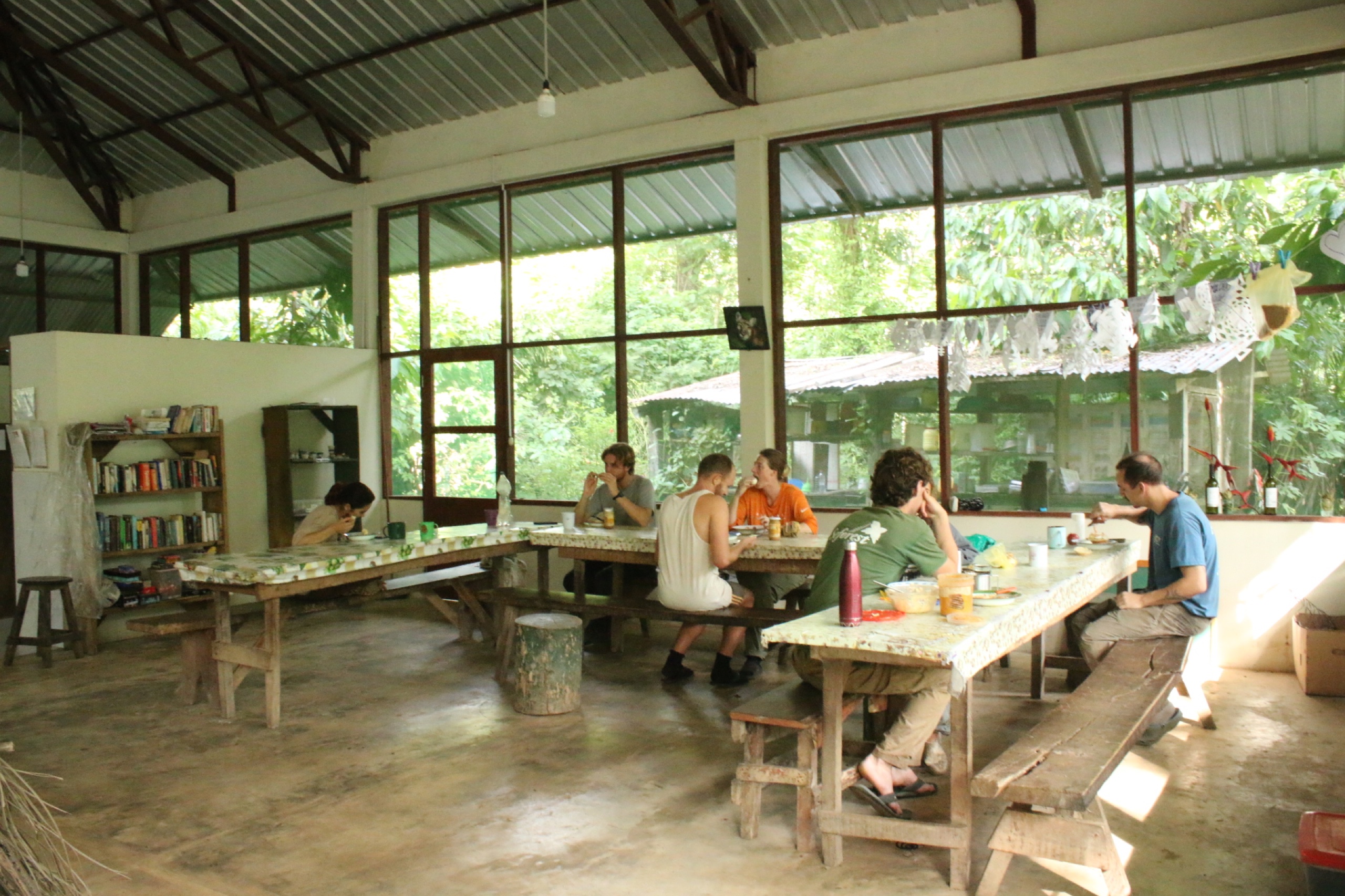
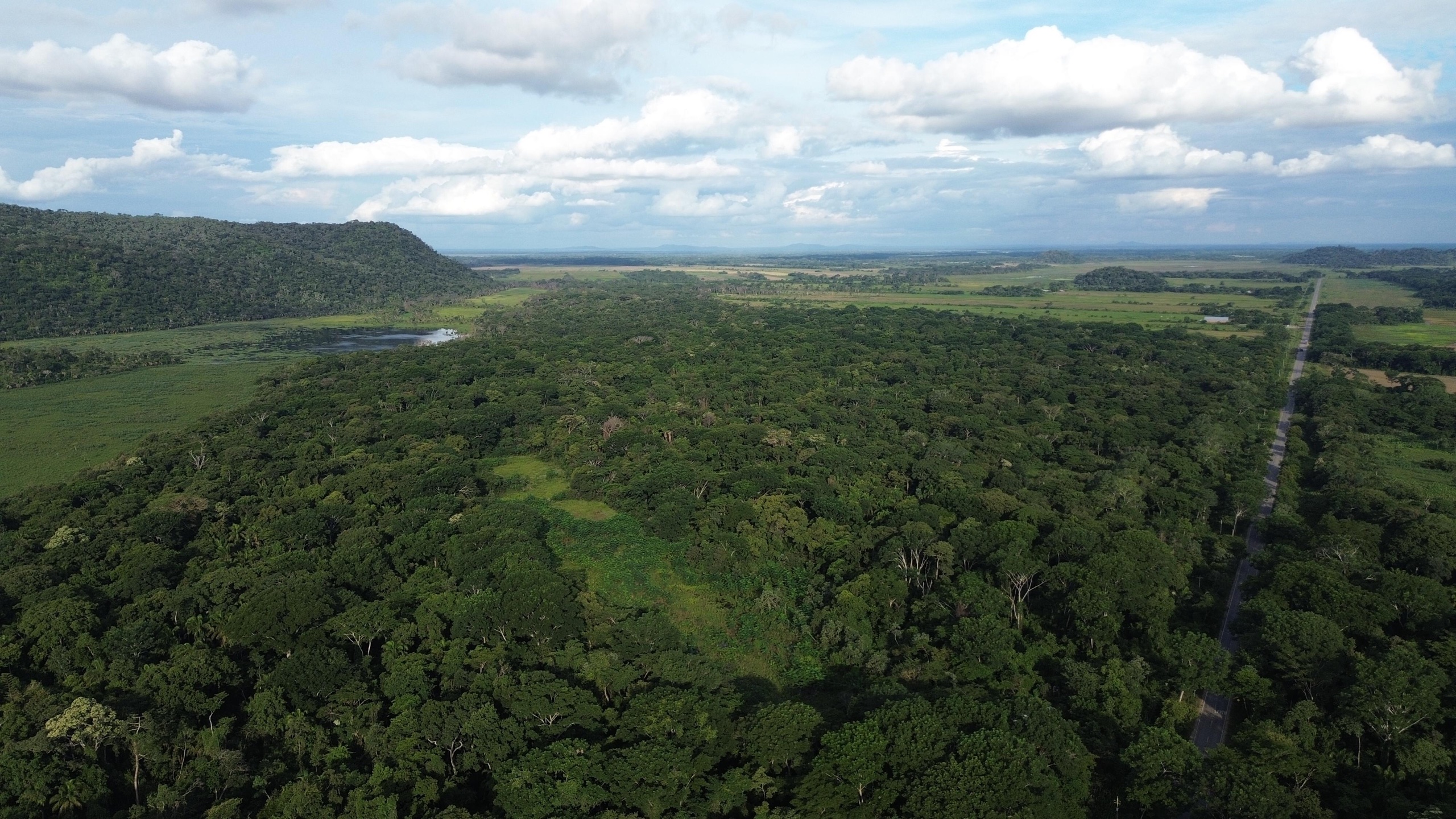
Parque Jacj Cuisi sits outside of Rurrenabaque and is our newest sanctuary. It is connected to the Madidi National Park, and is an ideal spot from which to enjoy the splendour and serenity of the Bolivian Amazon. This sanctuary is becoming CIWY’s new headquarters, and currently houses rescued spider monkeys, capuchin monkeys, squirrel monkeys, and coatis.
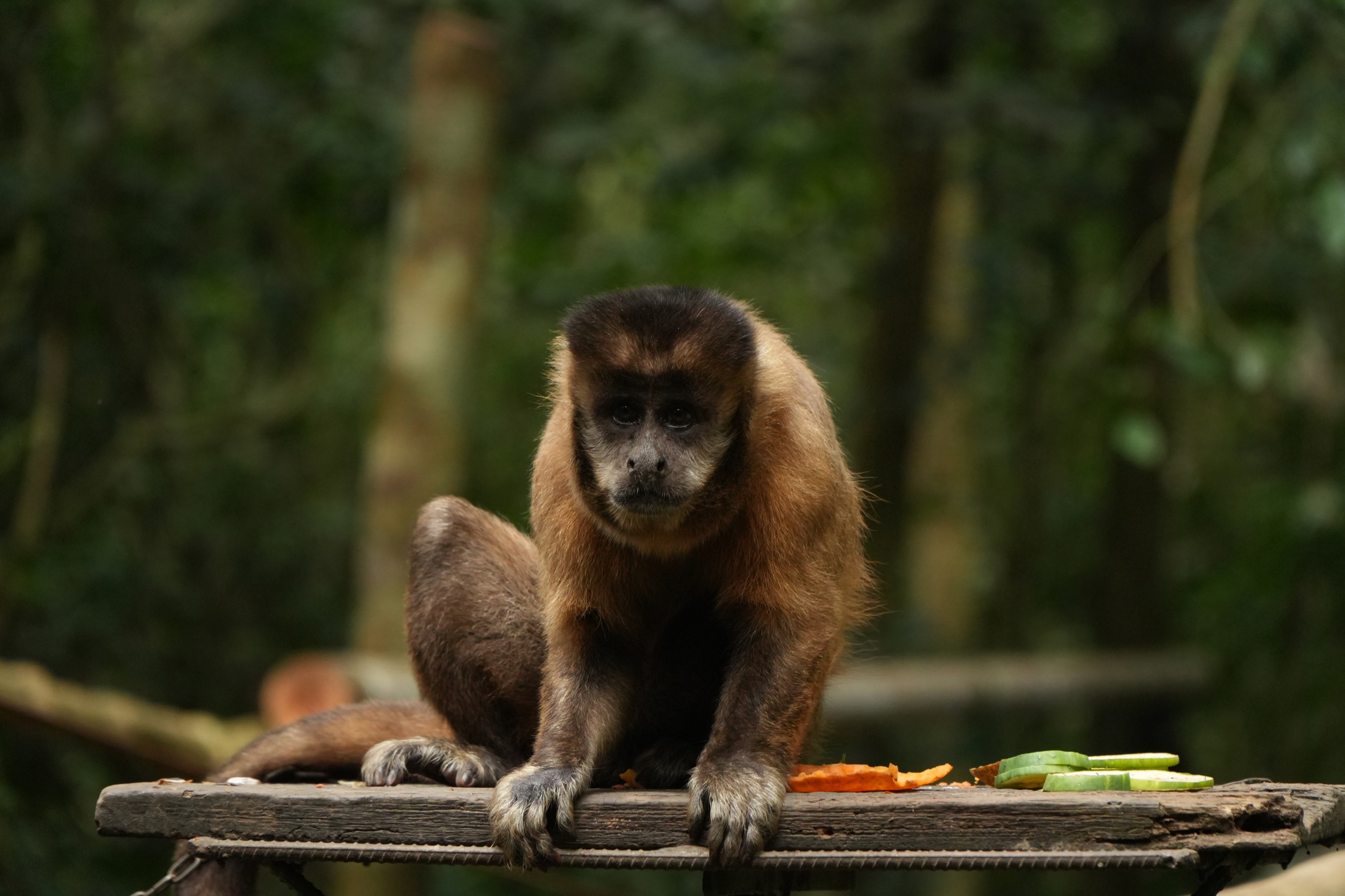
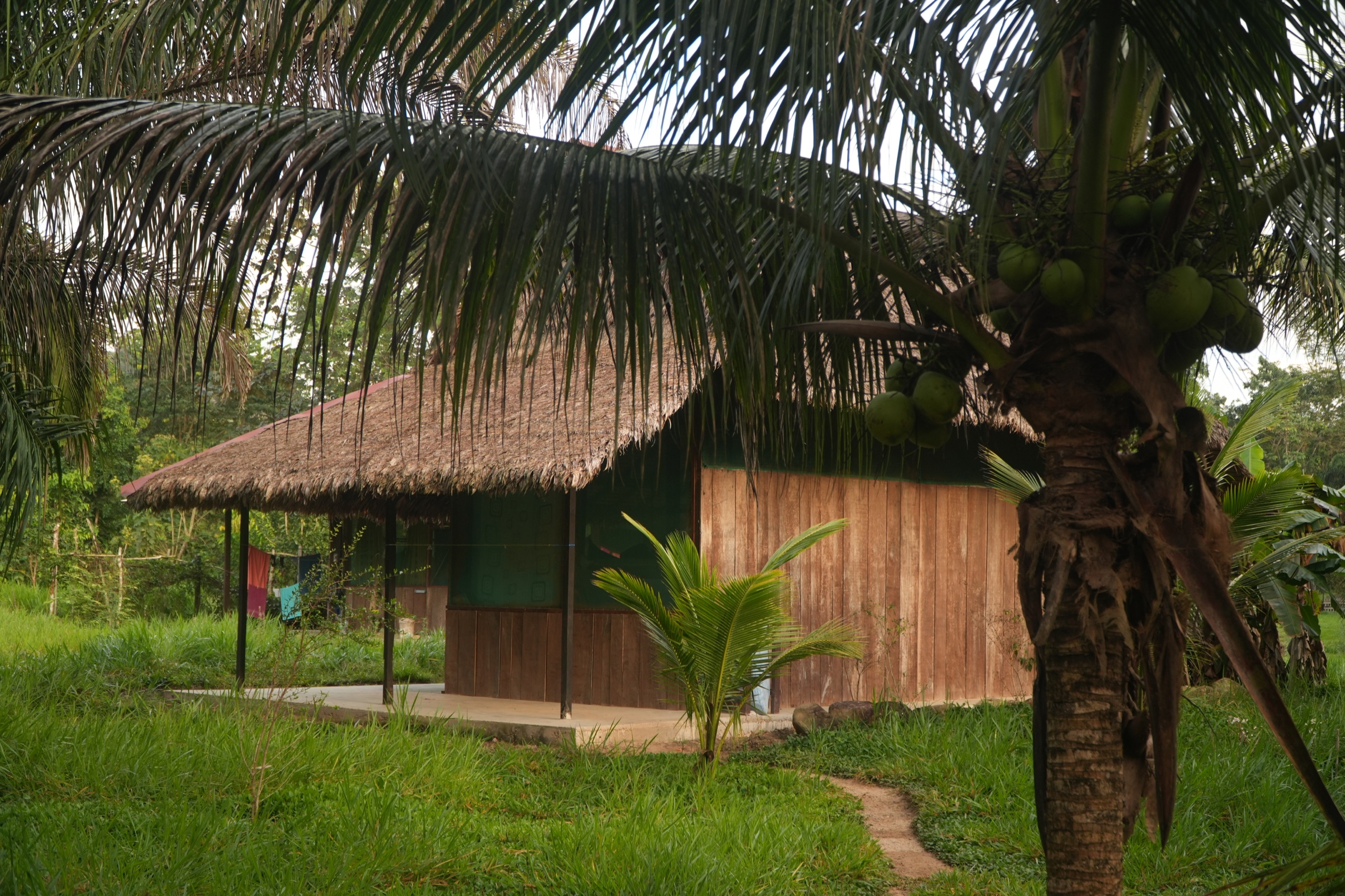
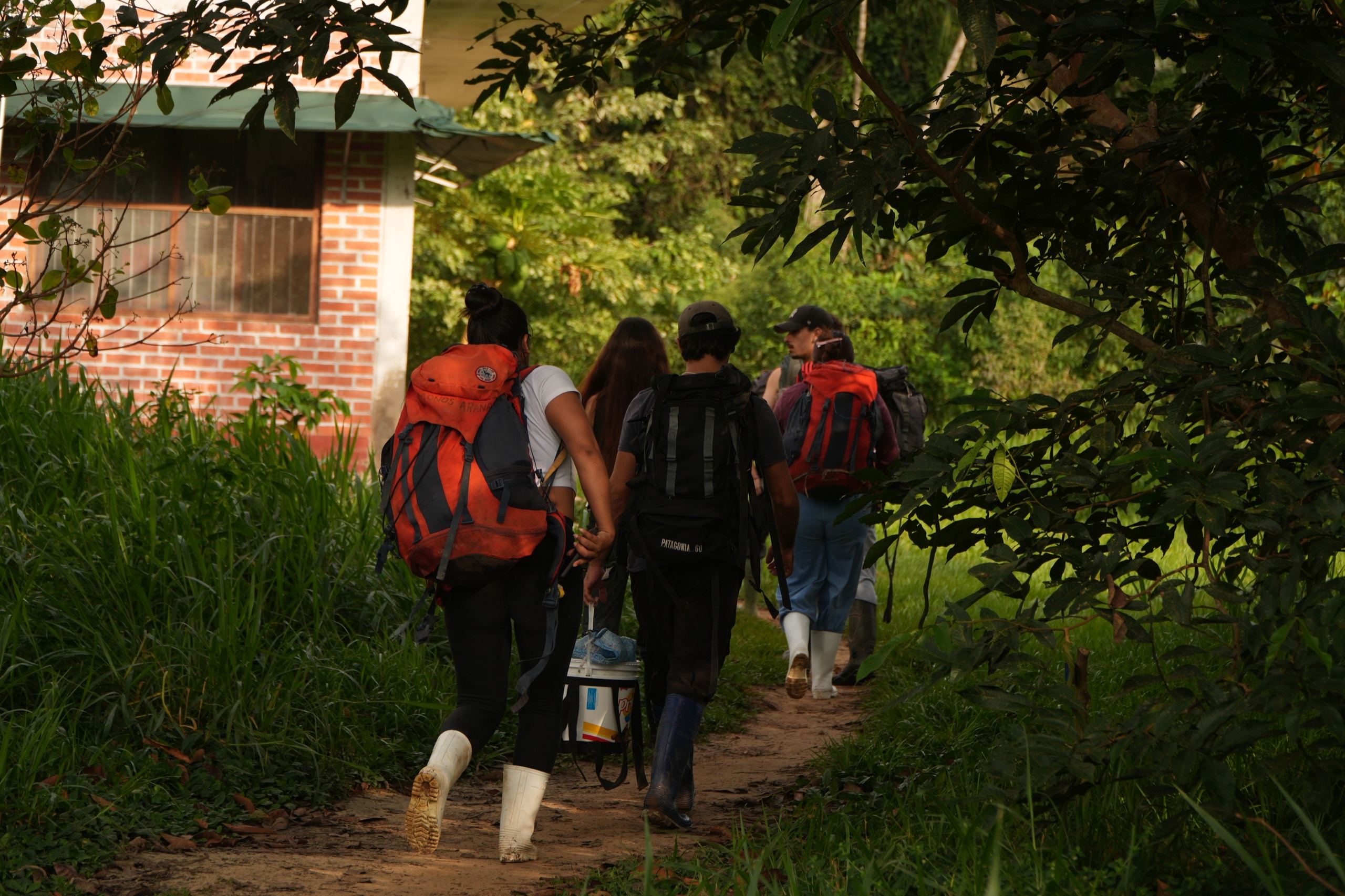
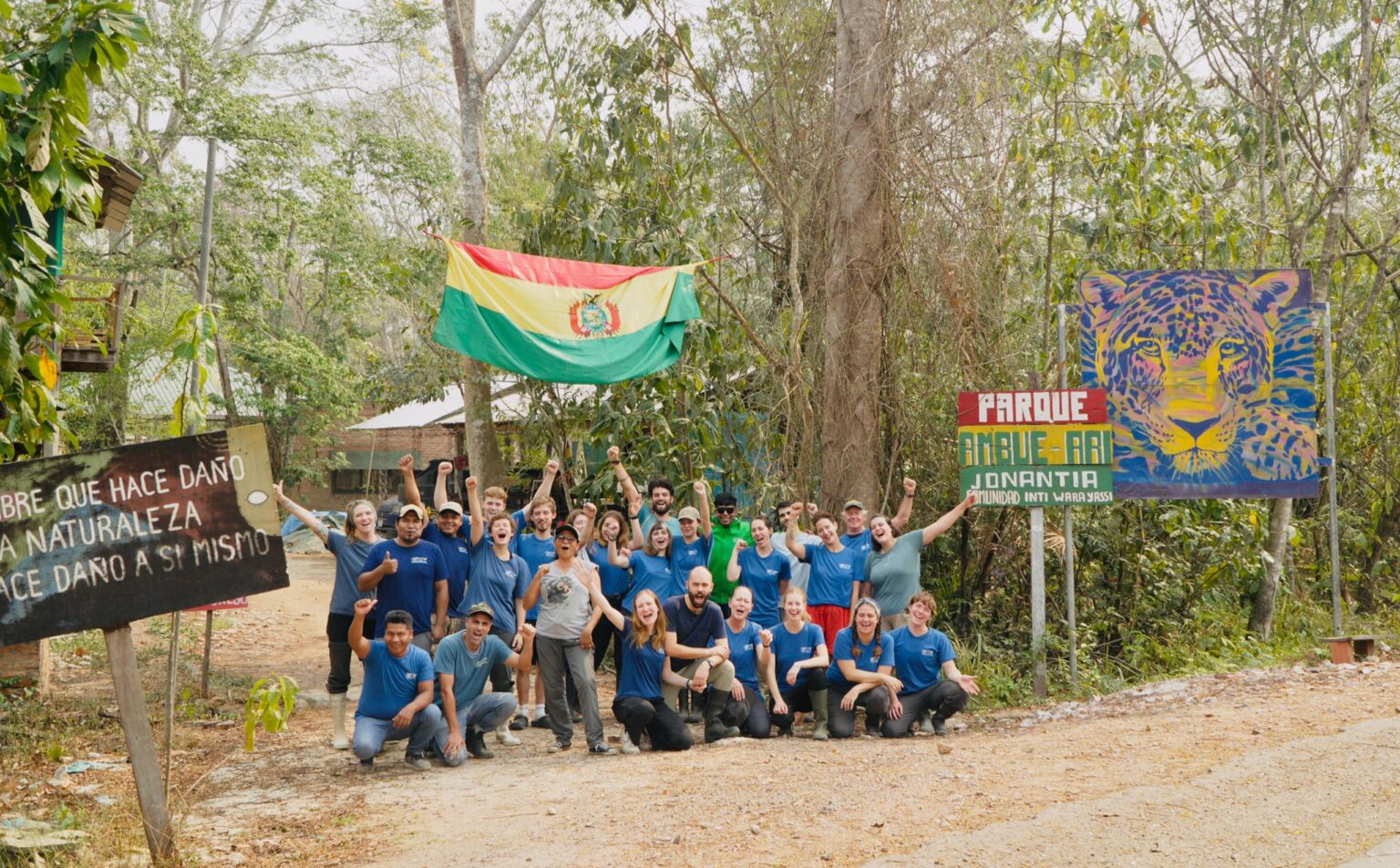
Parque Ambue Ari
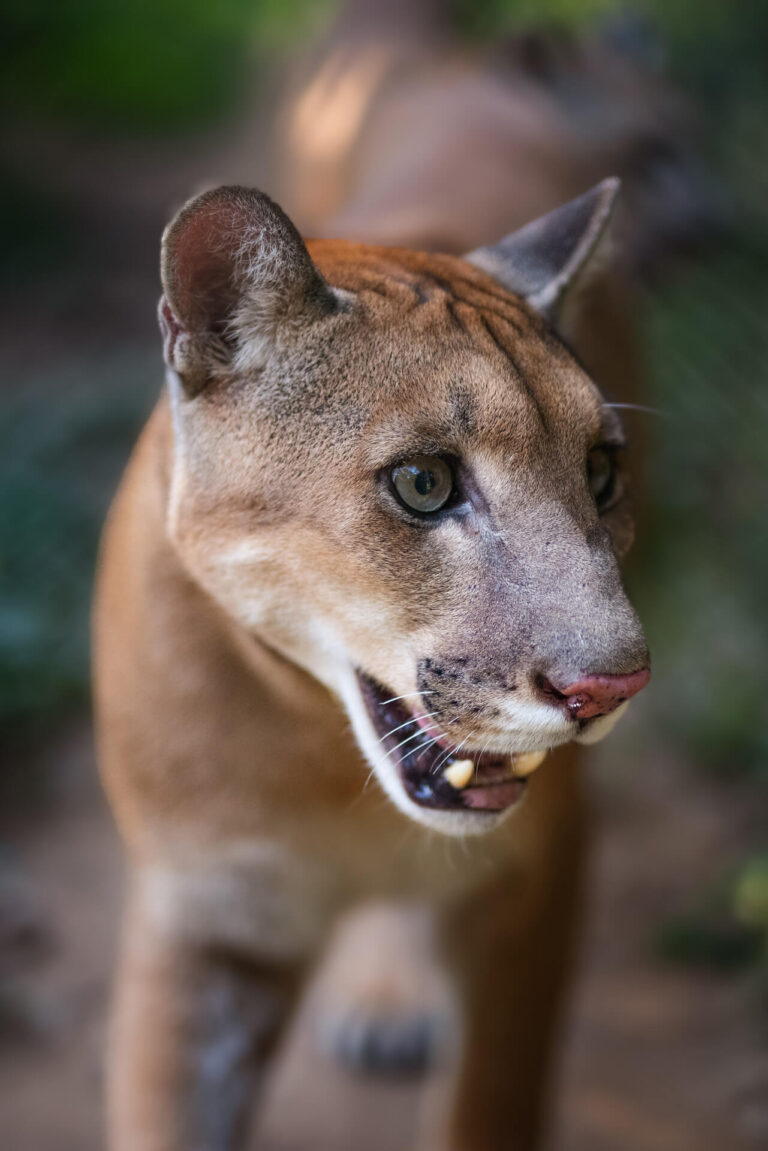
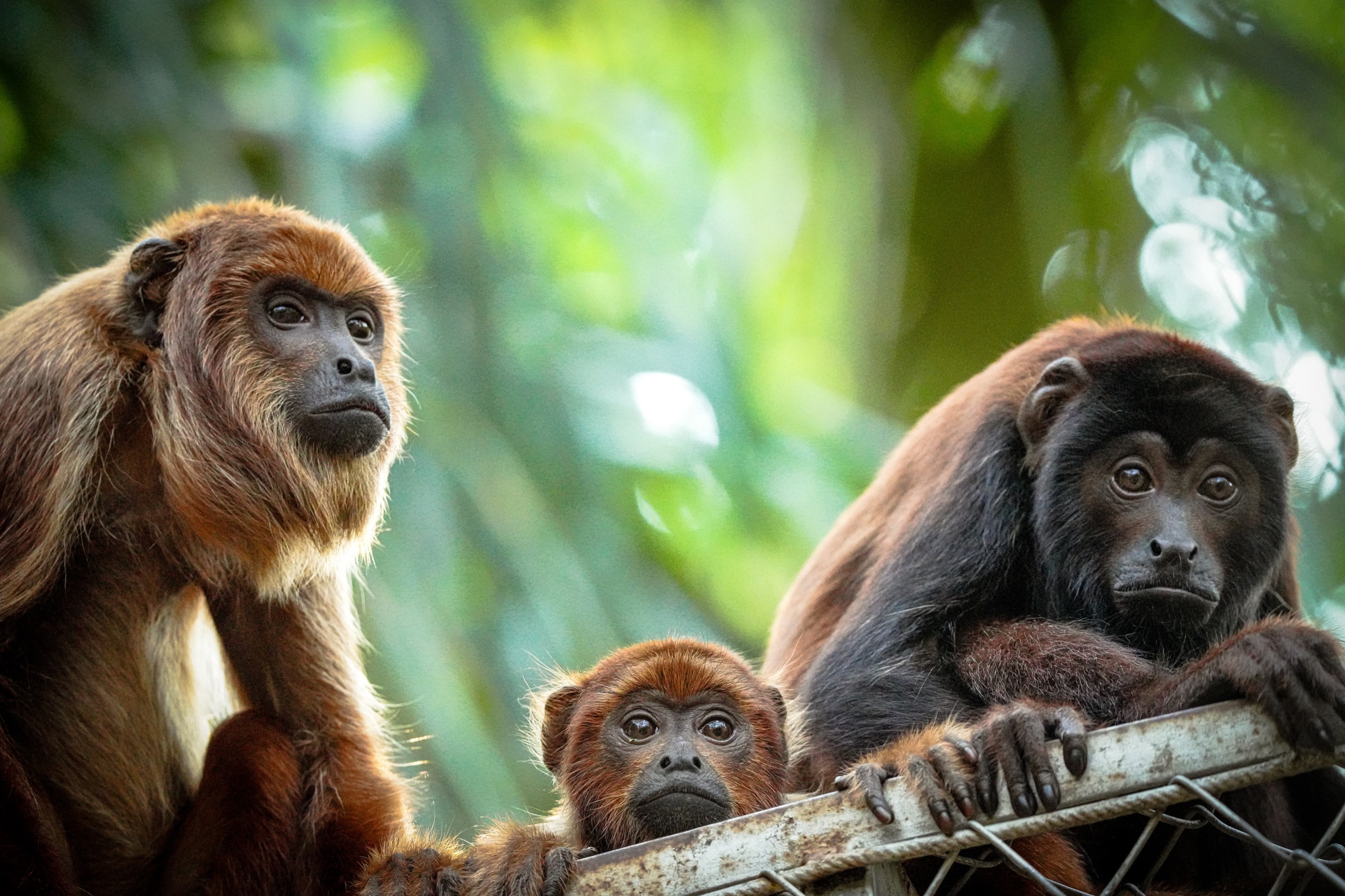
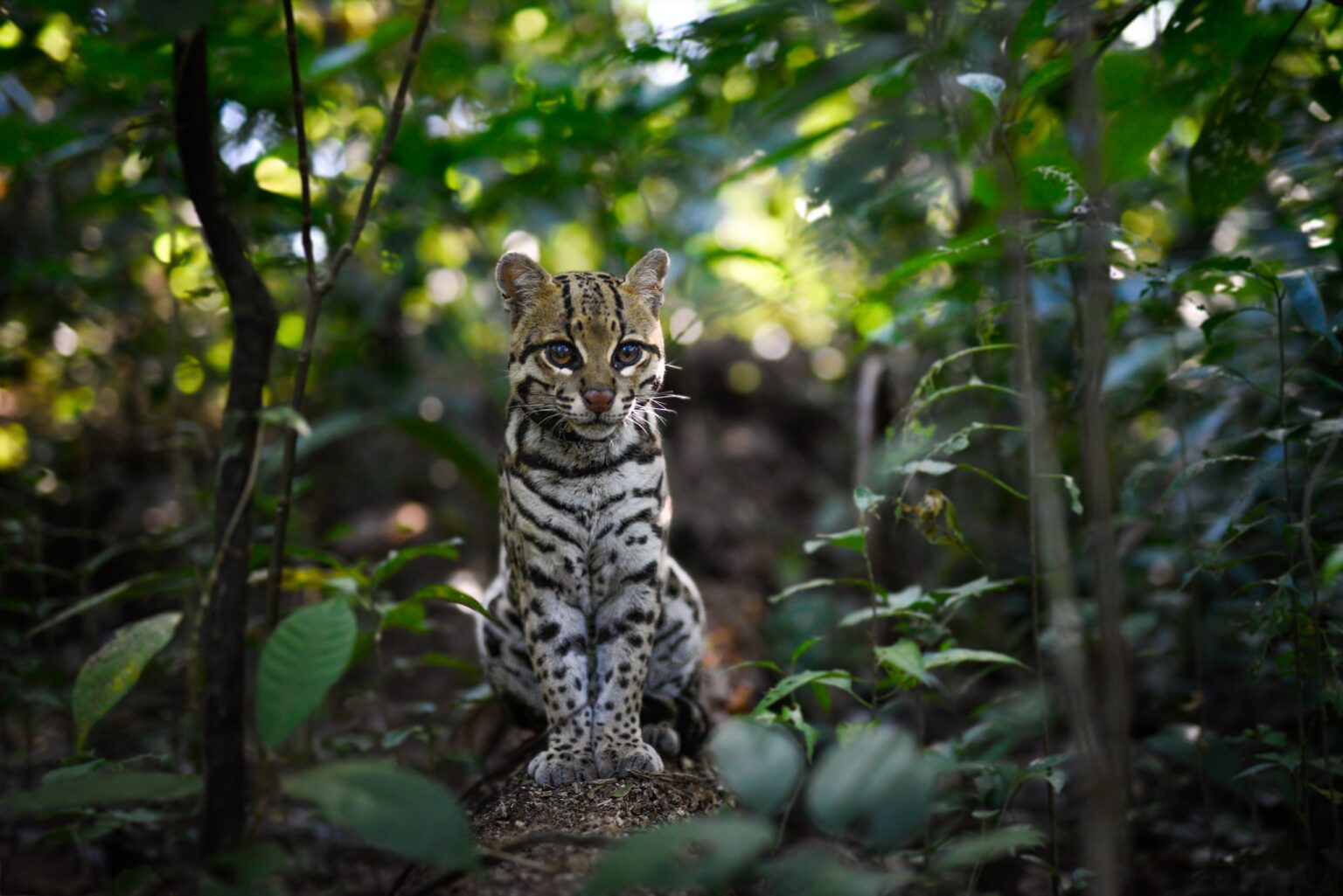
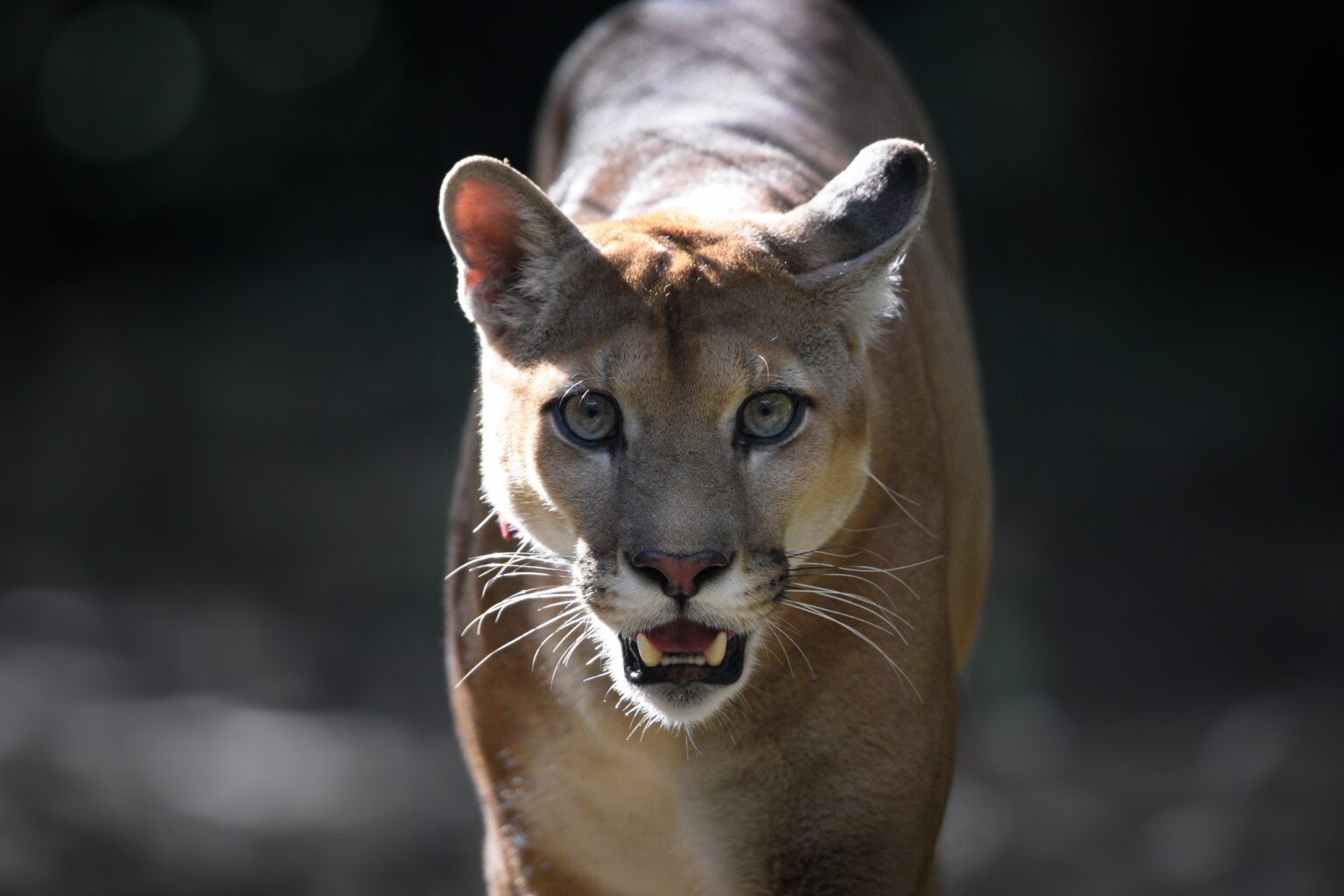
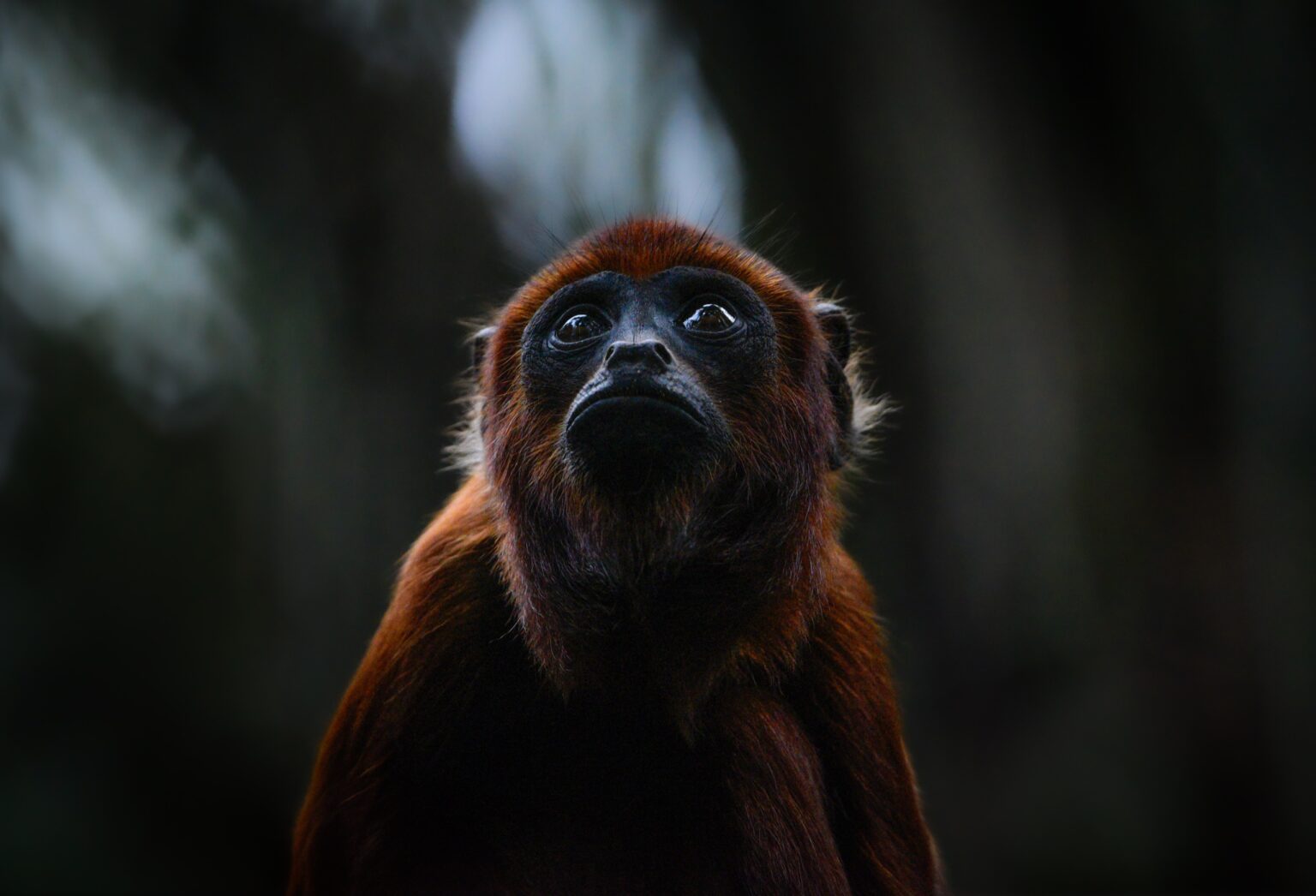
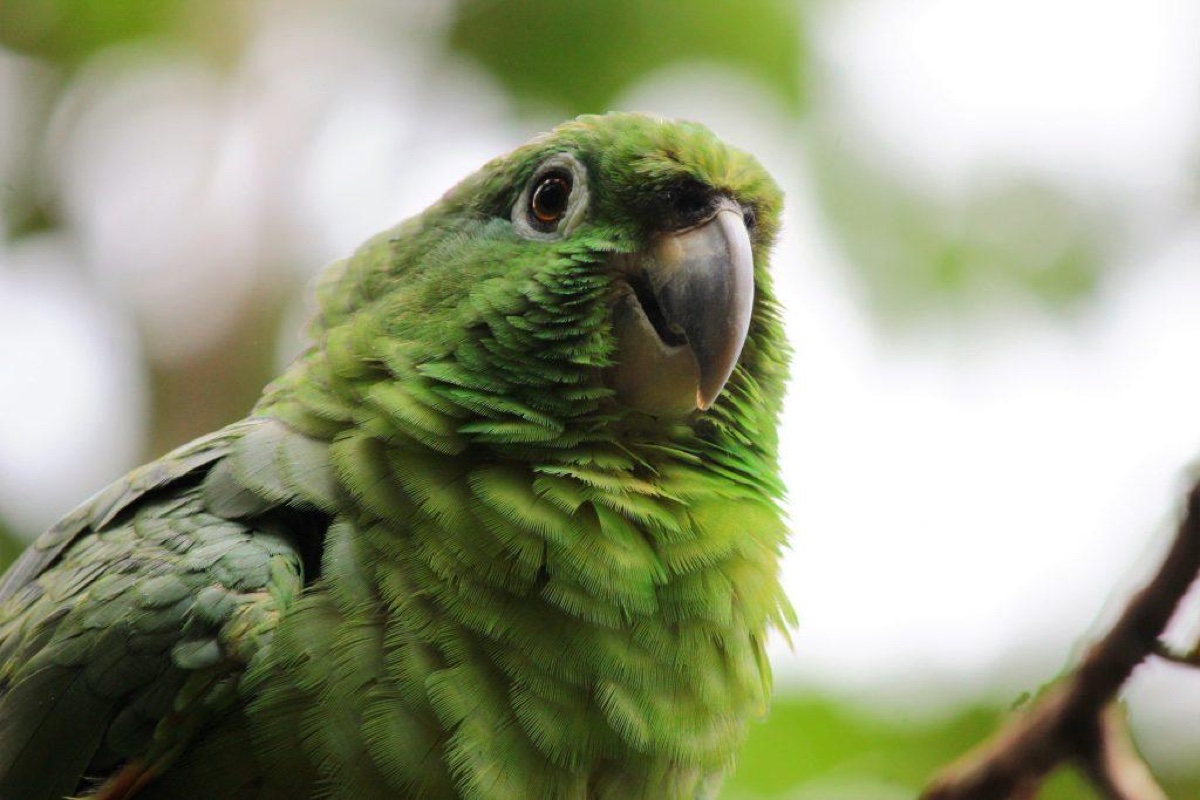
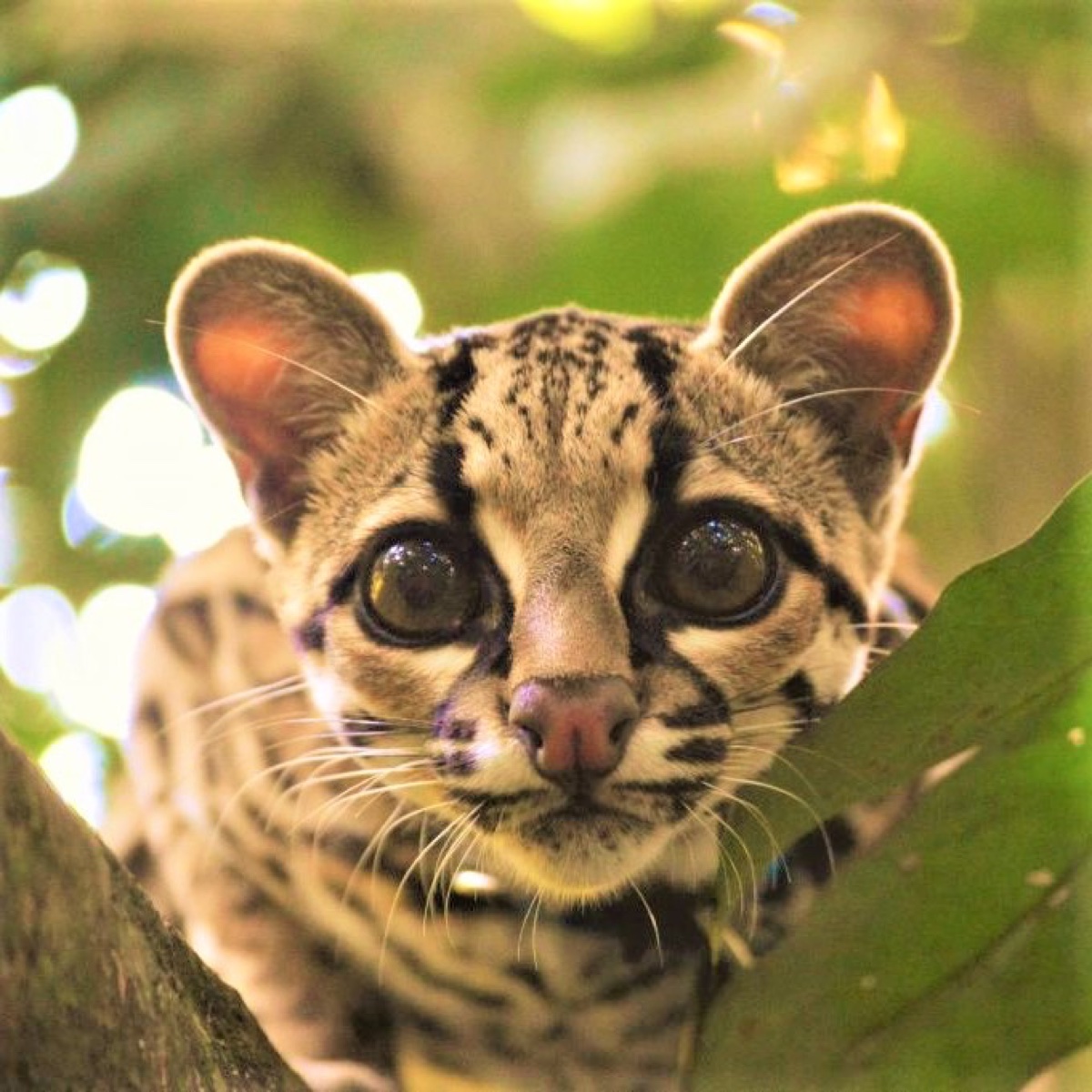
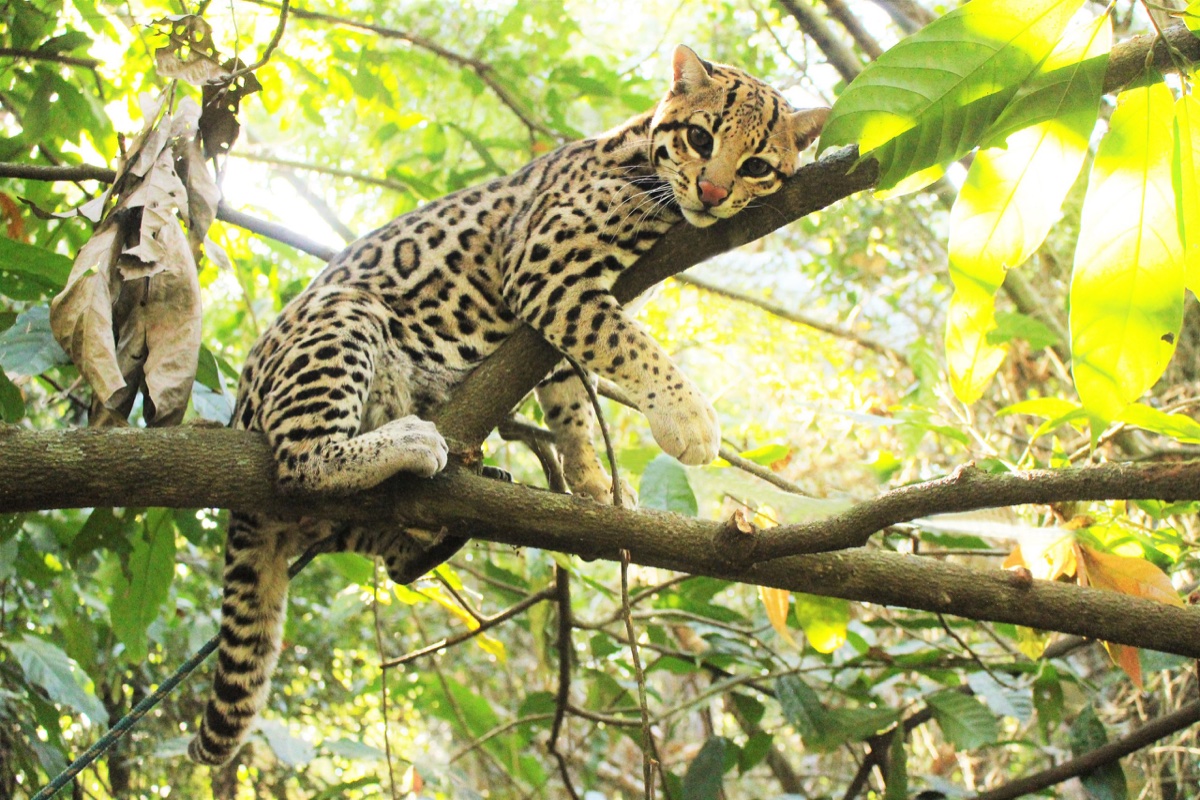
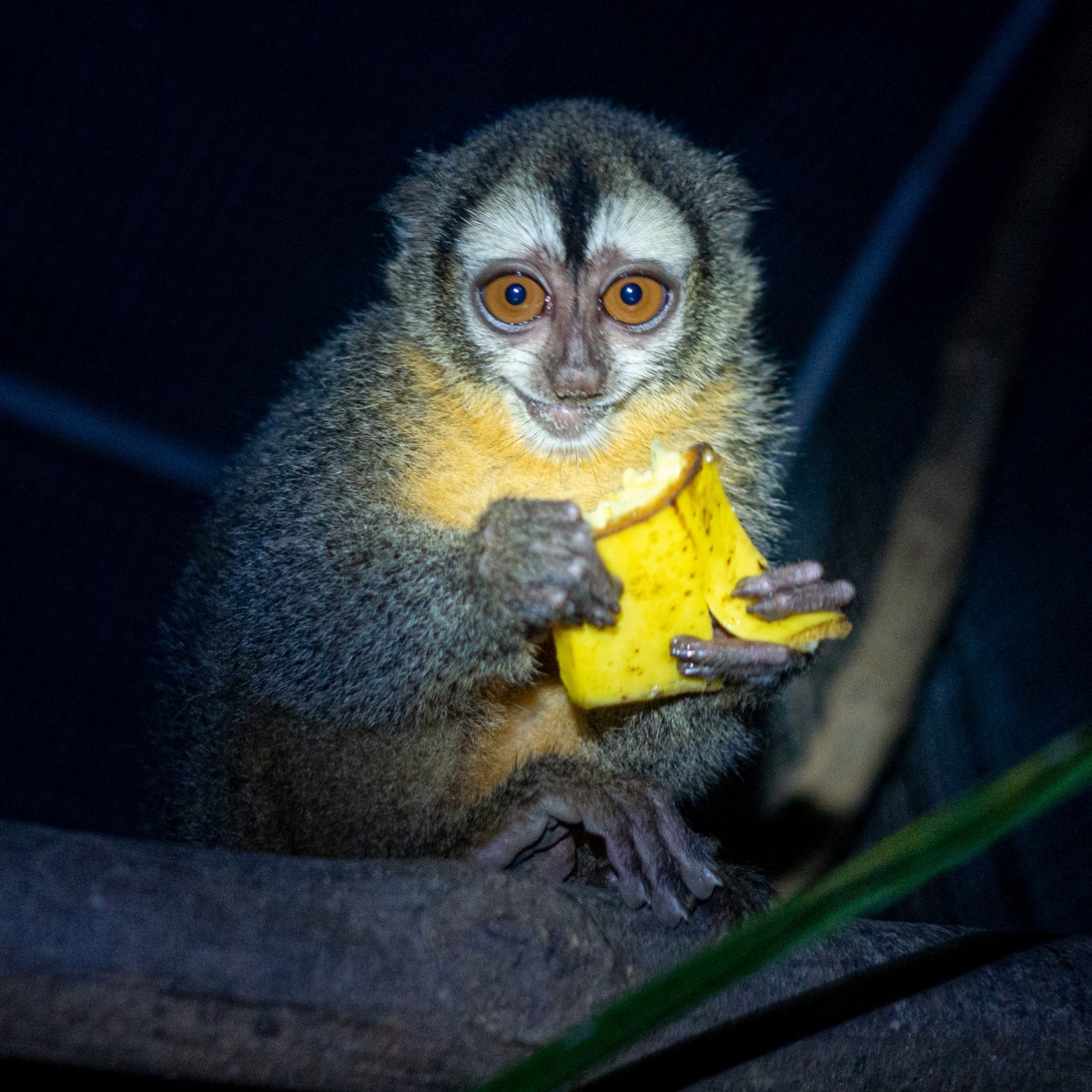
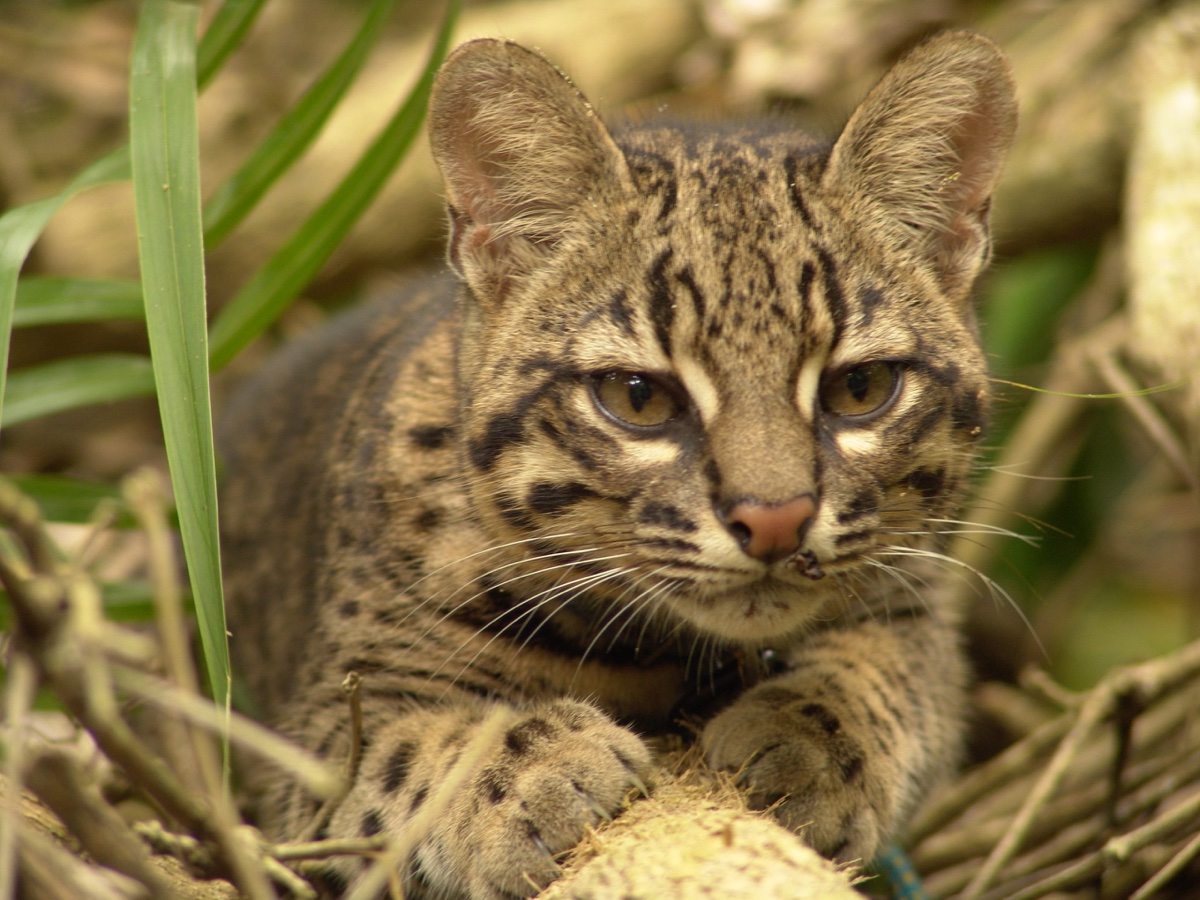
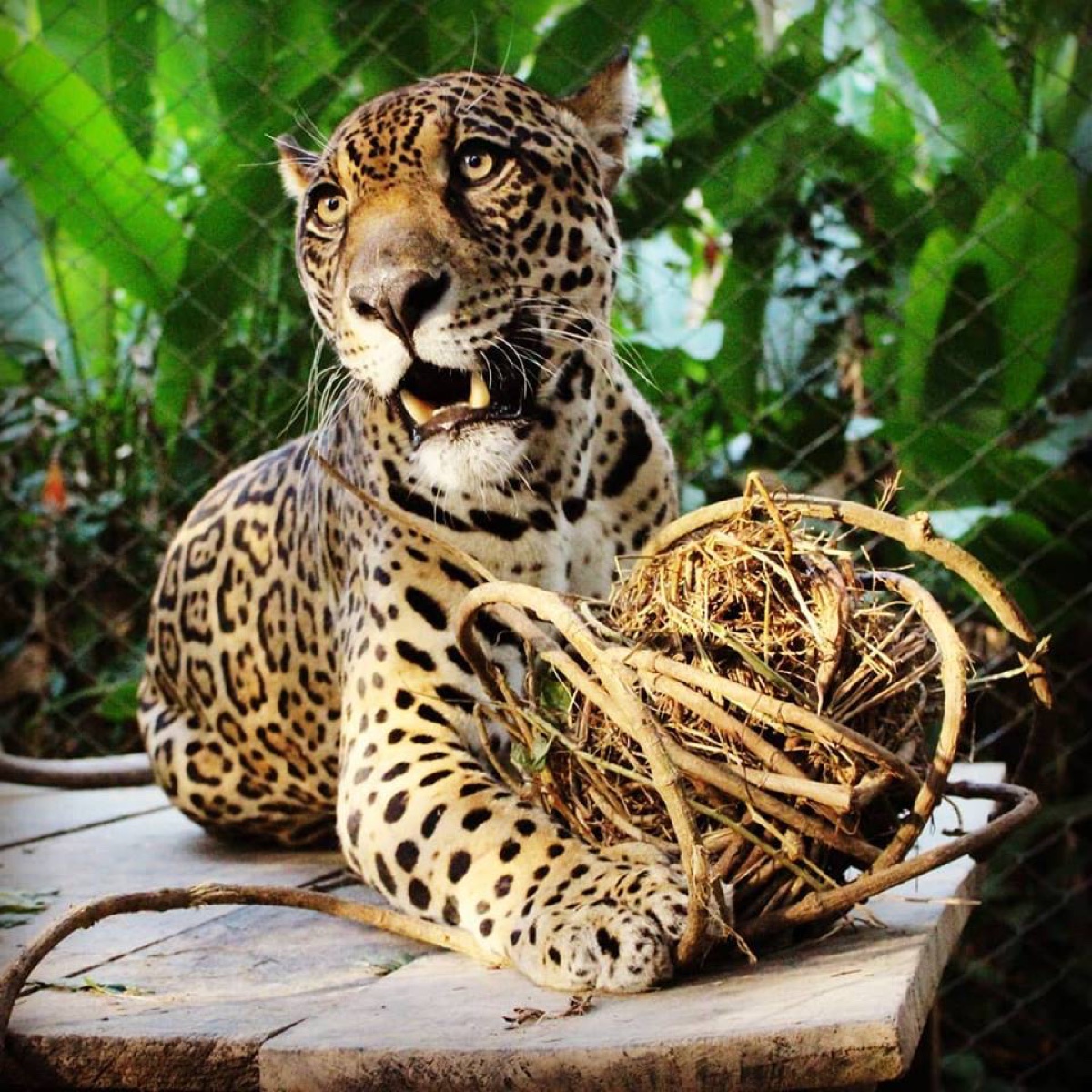
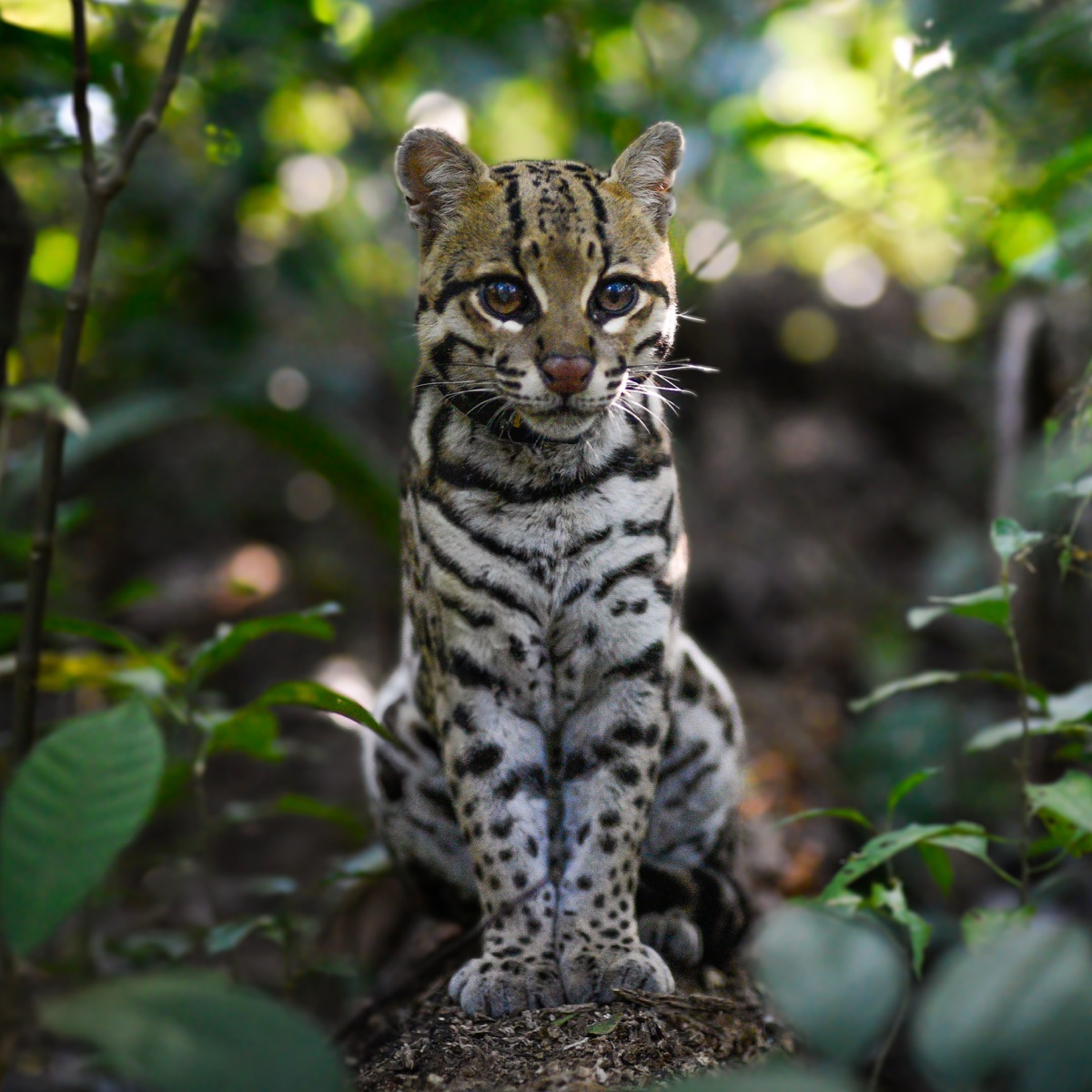
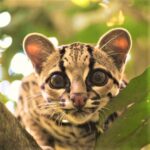
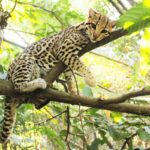
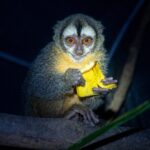
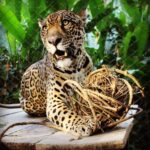
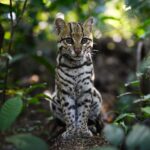
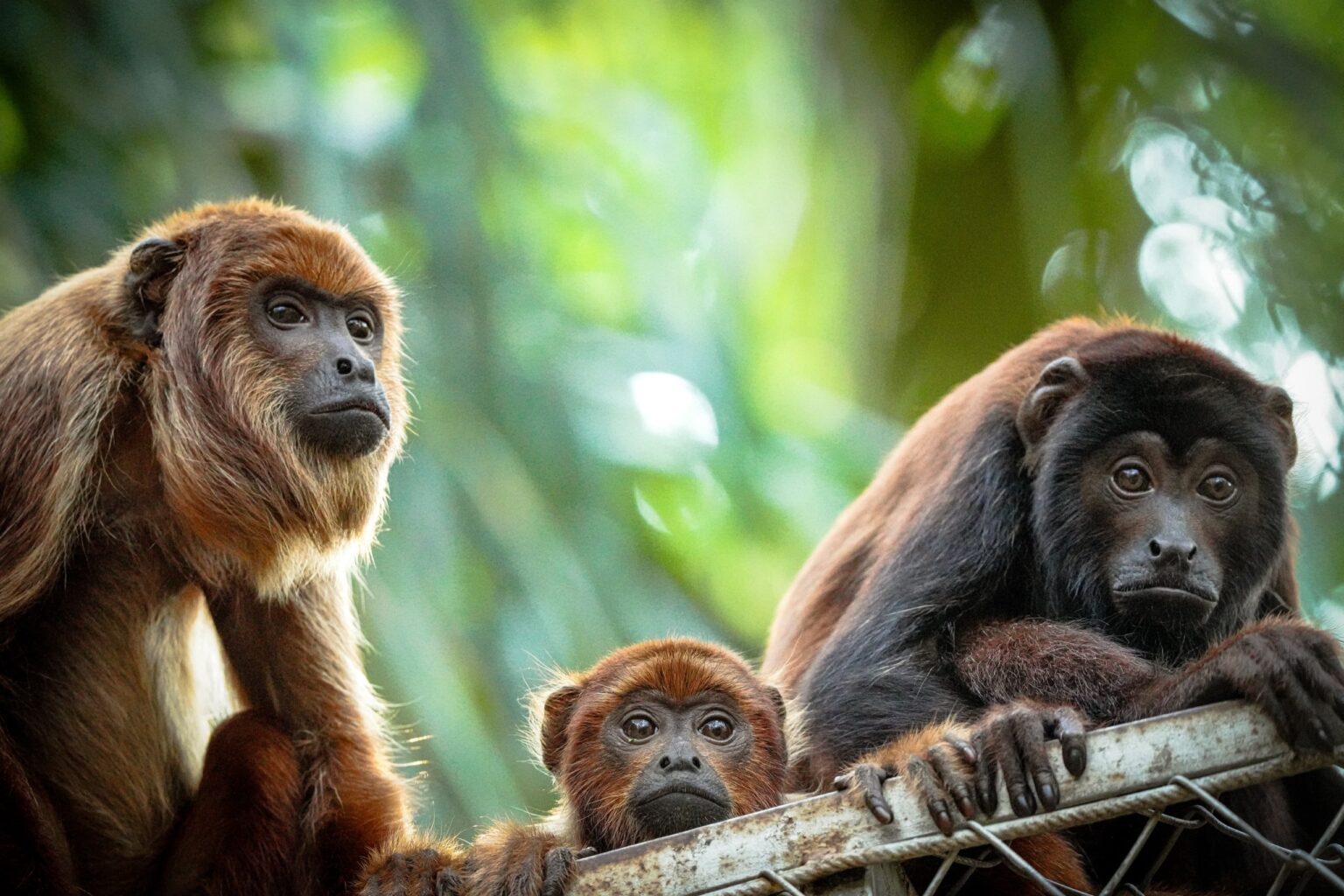
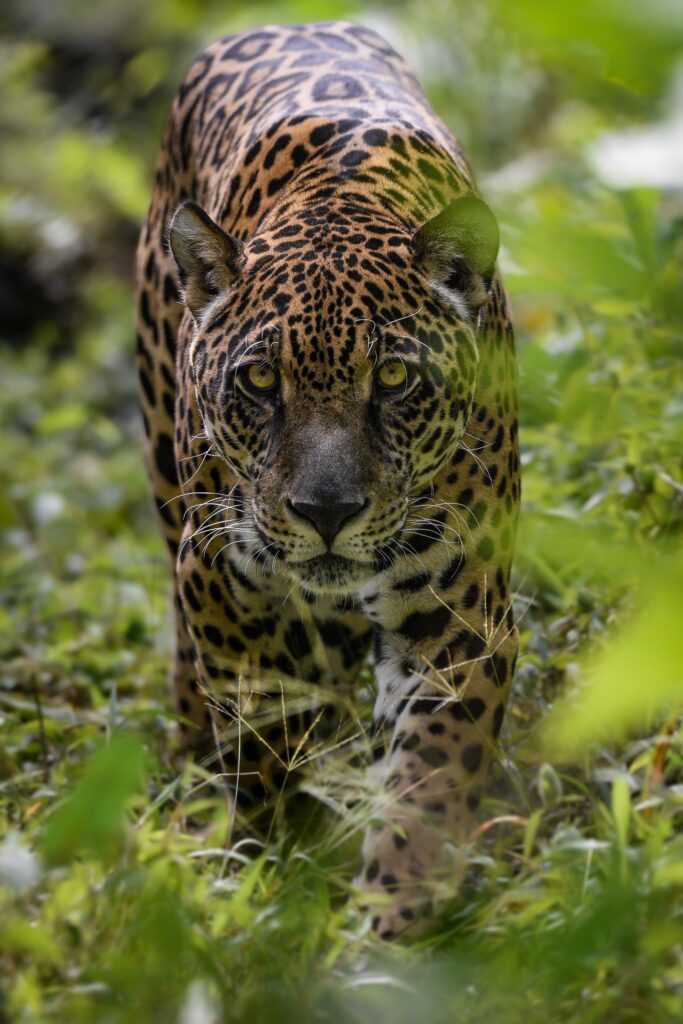
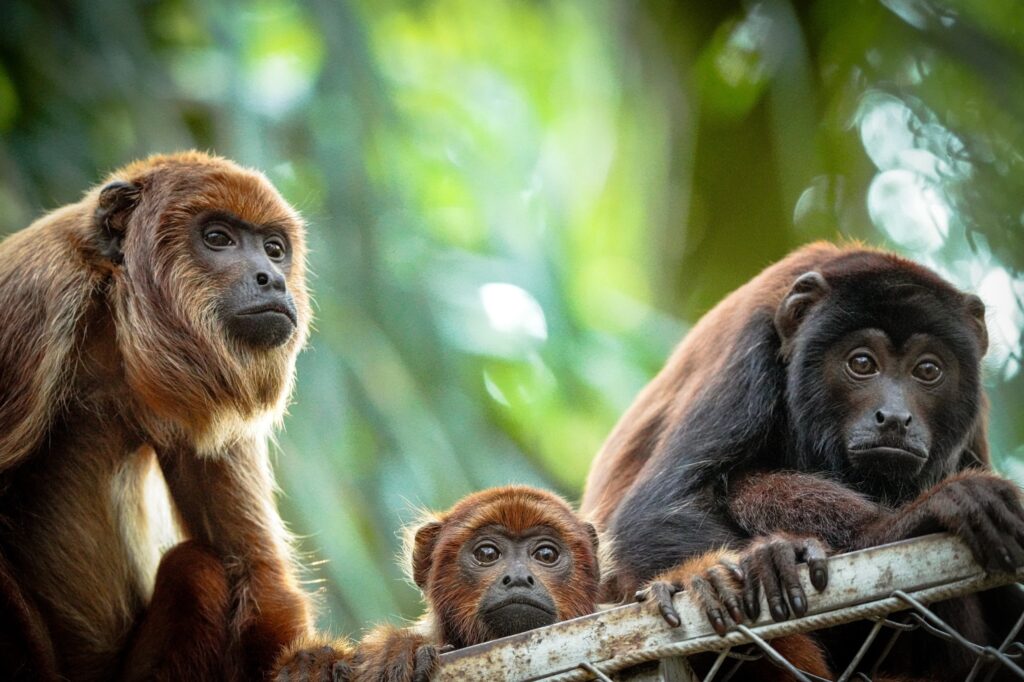
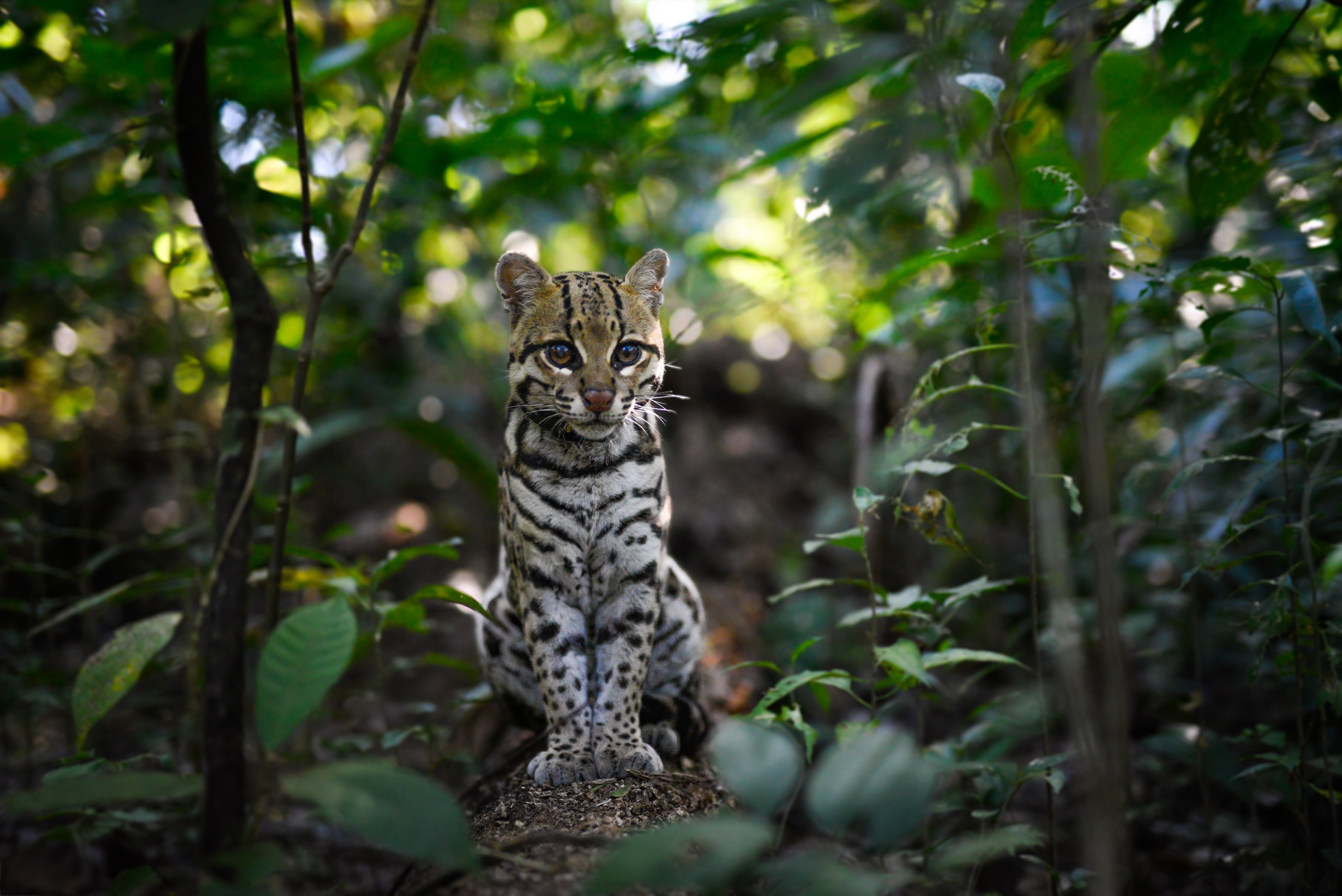
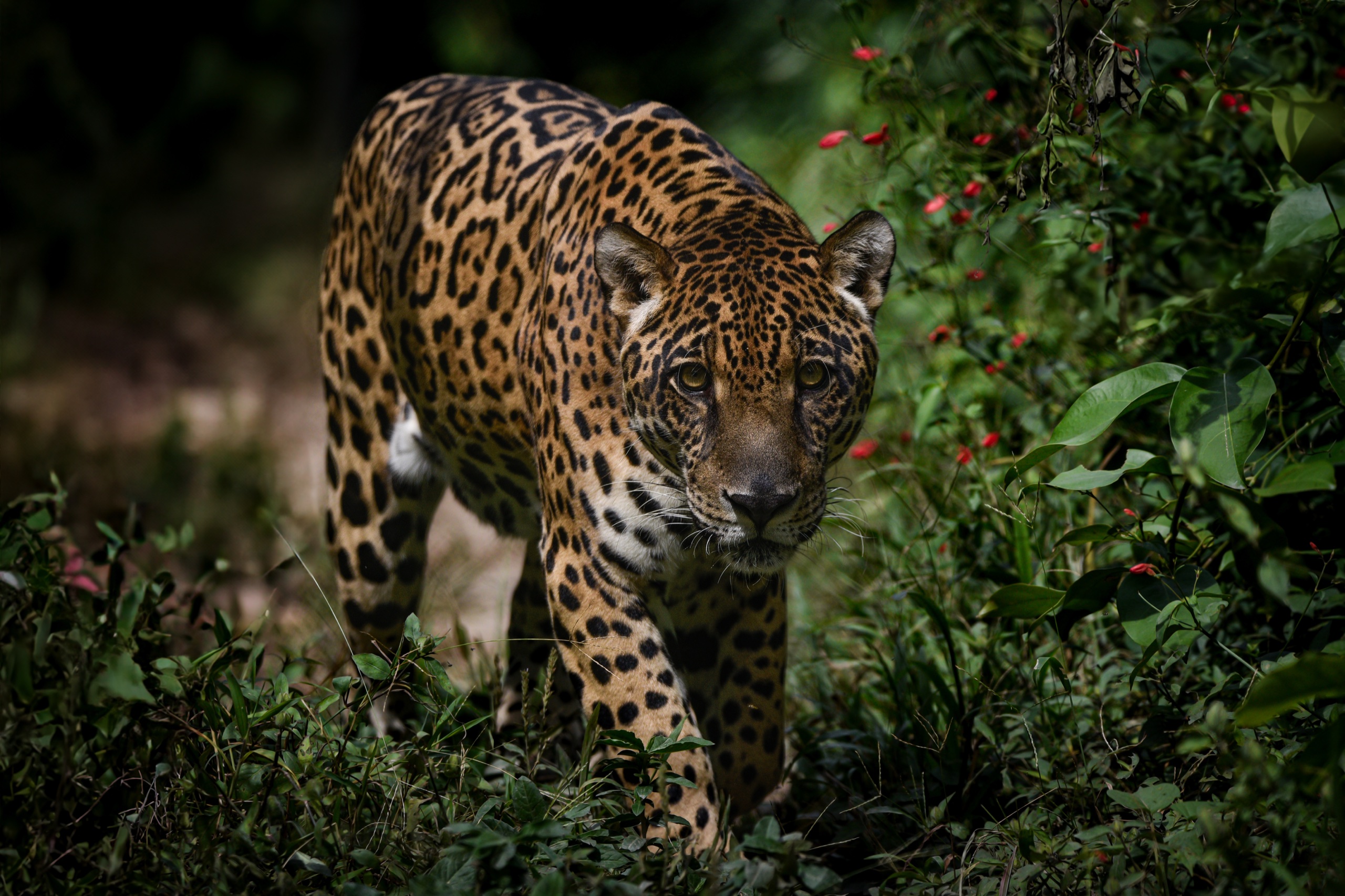
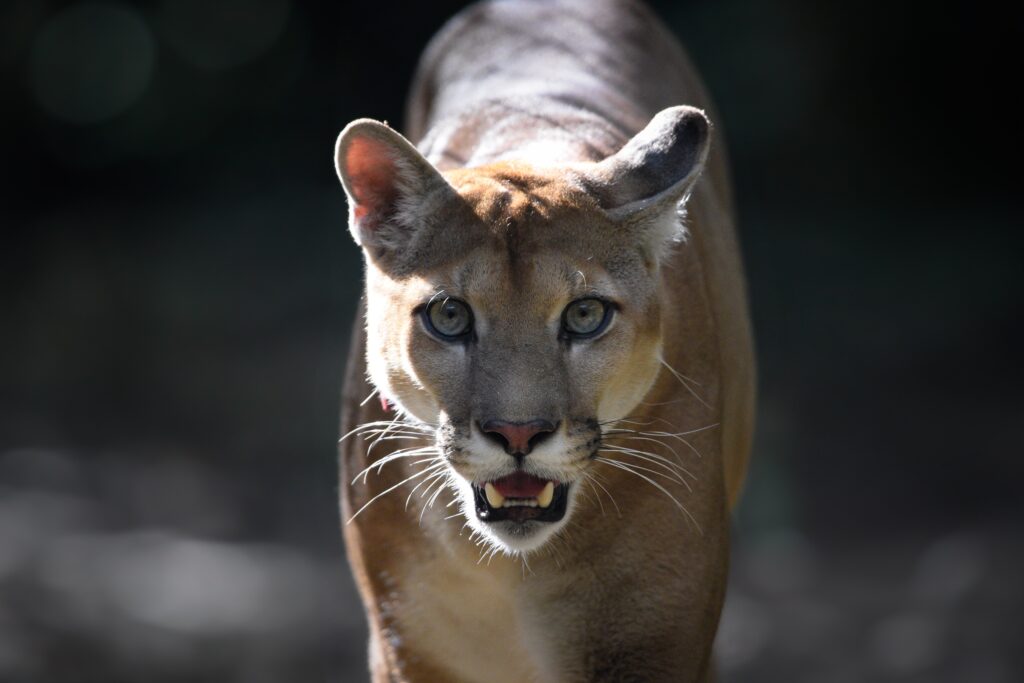
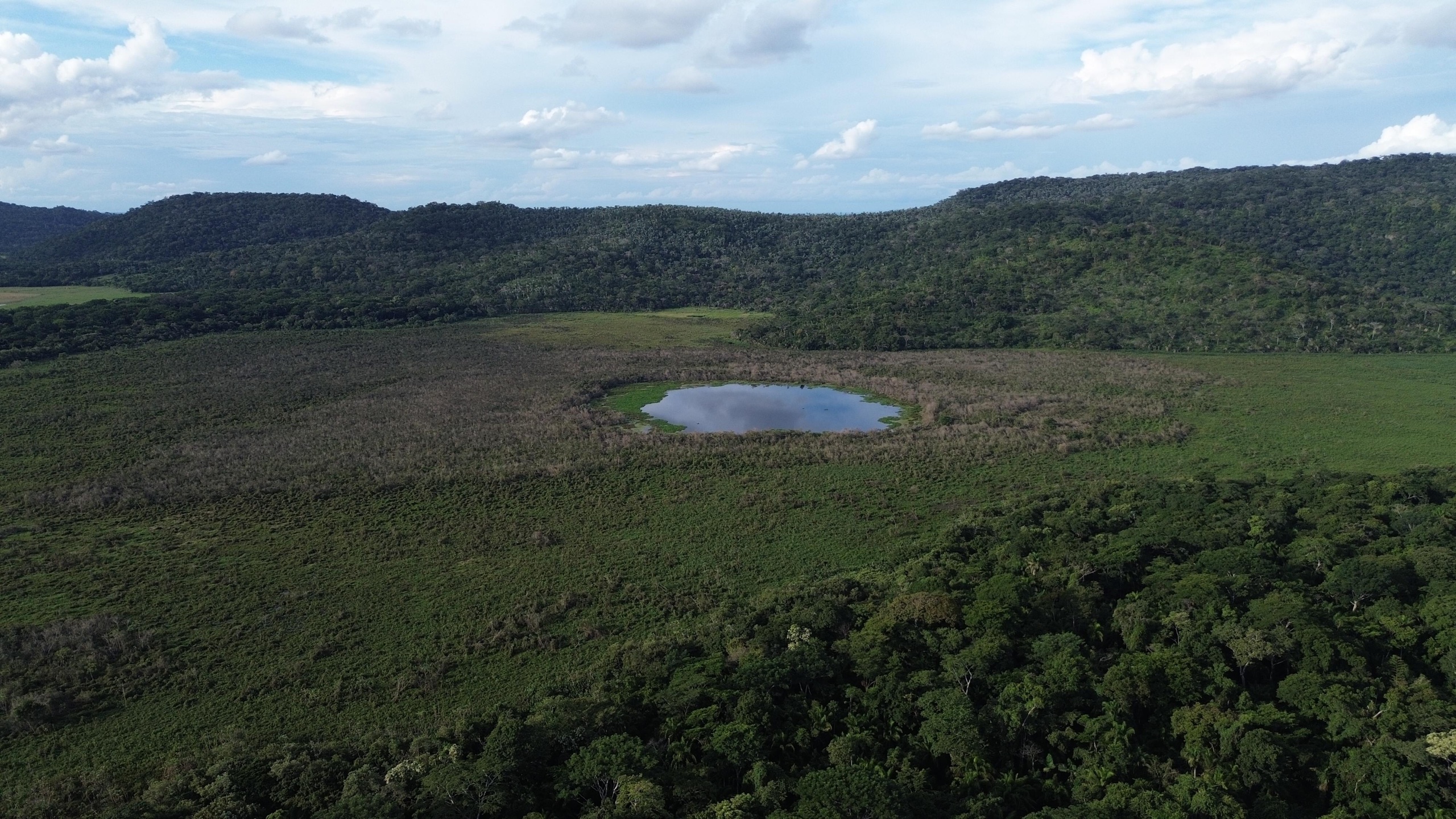
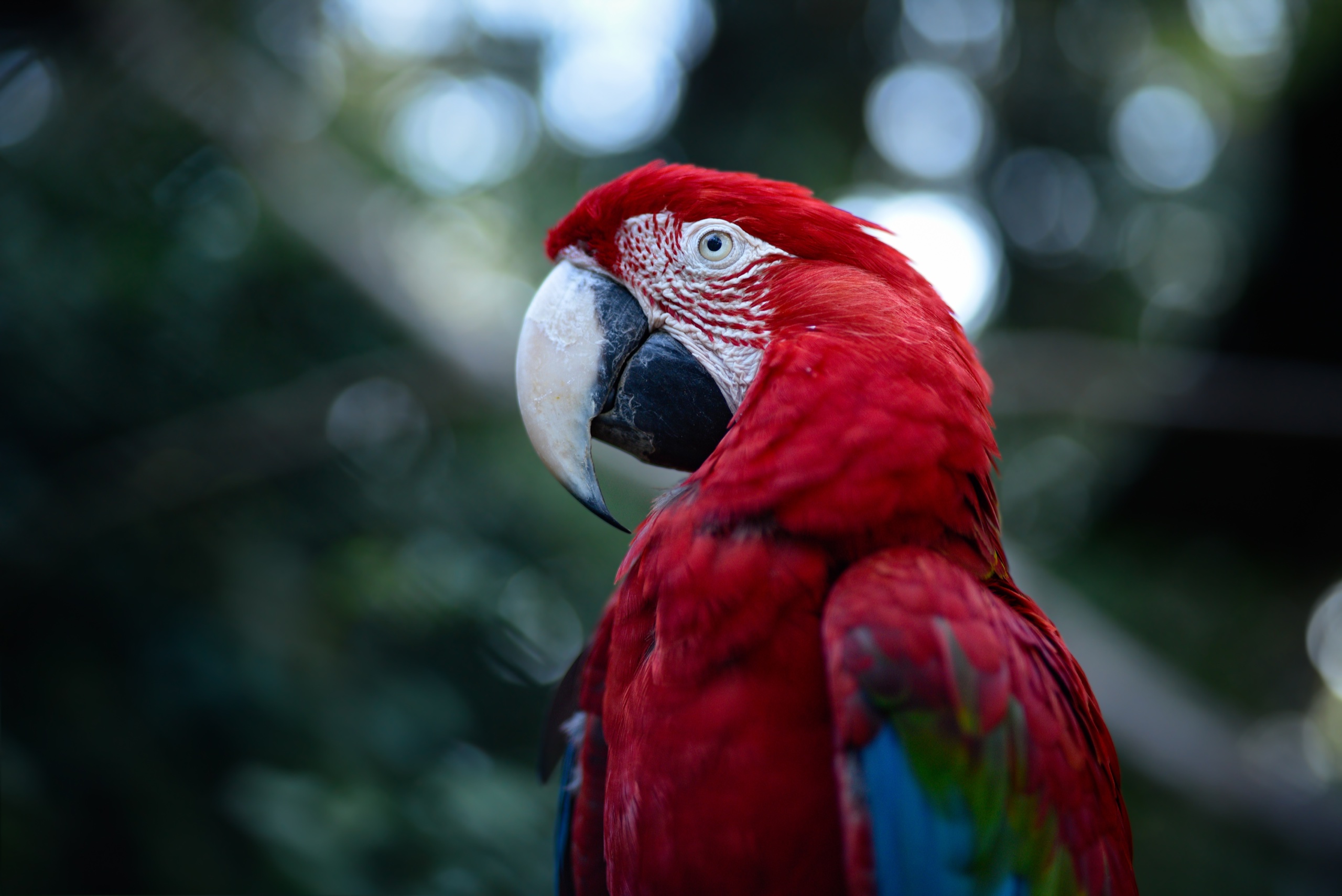
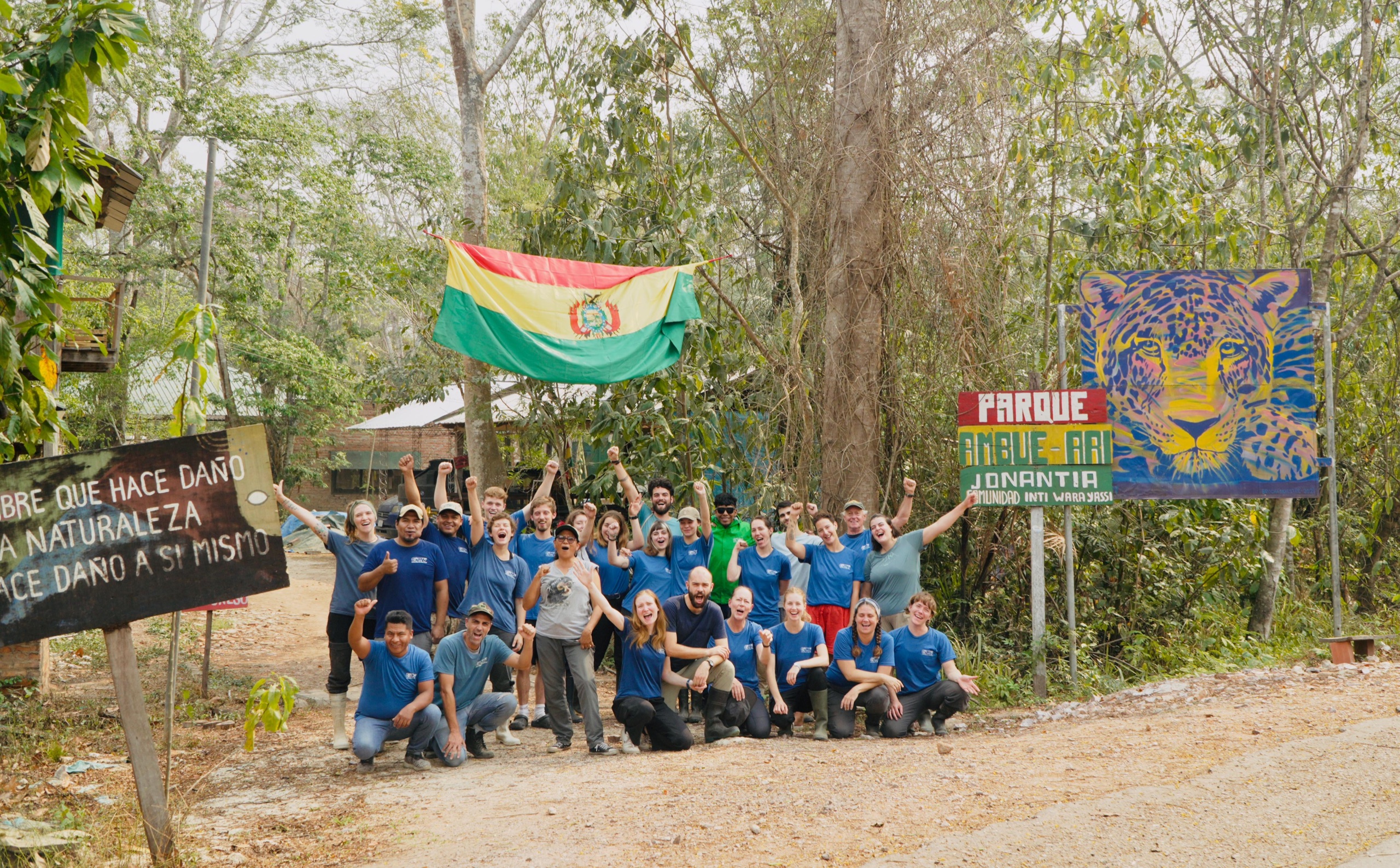
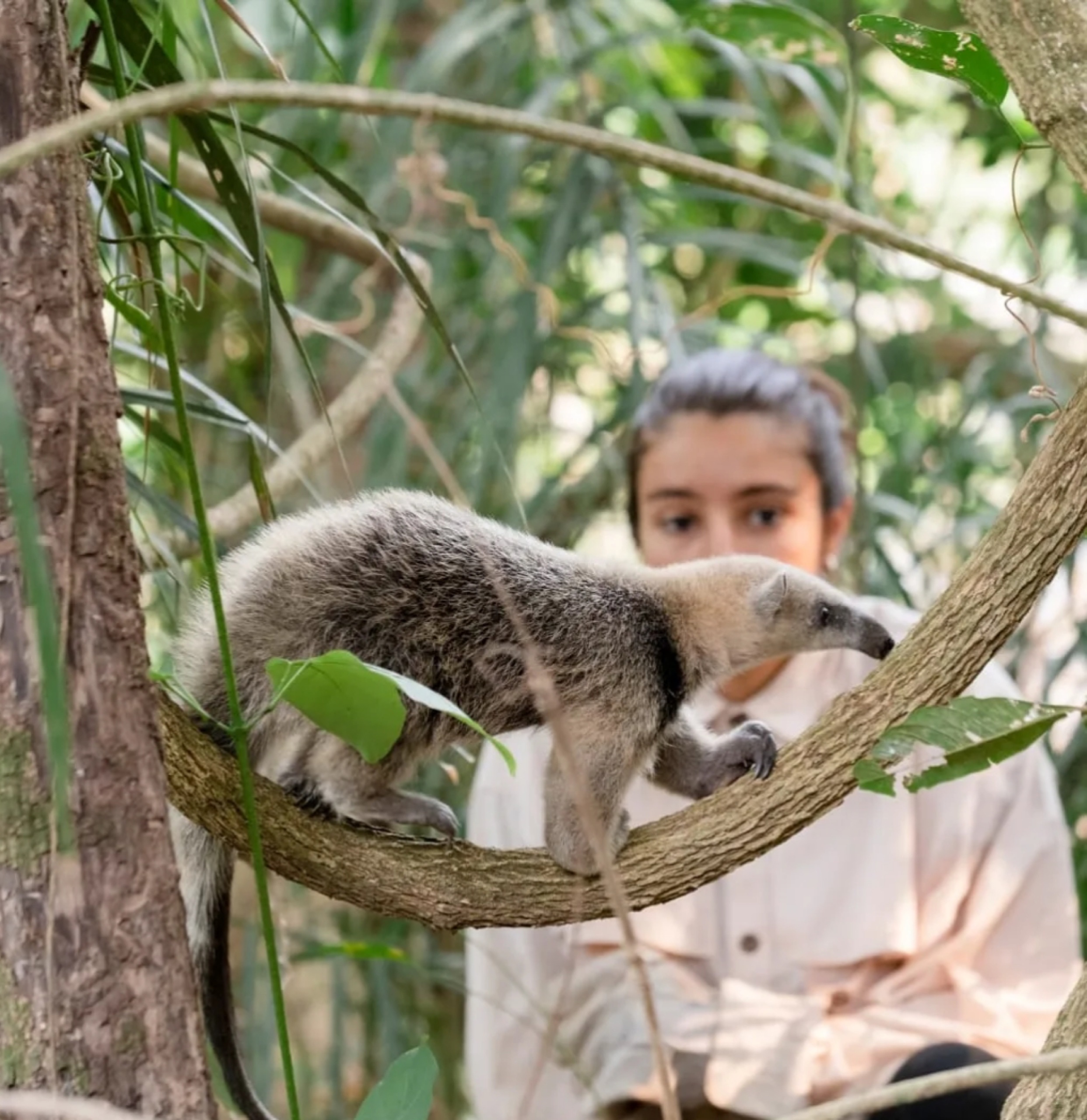
Parque Ambue Ari lies just north of Ascensión de Guarayos, between Santa Cruz de la Sierra and Trinidad. It was our second sanctuary and the land is owned by CIWY thanks to the financial support from Quest Overseas and FIWY. The centre specialises in the care and management of felines (jaguars, pumas, ocelots, and others), as well as caring for CIWY’s birds, howler monkeys, night monkeys, peccaries and coatis.
Parque Machía
Parque Machía was CIWY’s original wildlife sanctuary, opened in 1996 on the property of Villa Tunari’s municipality, with whom we have an agreement to use the land. It is located in the Chapare region of Bolivia, between Cochabamba and Santa Cruz. Machía’s animals have all now been moved to the other sanctuaries, as the agreement with the municipality expired and the park is closing down, and is now home only to the released groups of capuchin monkeys that remain in the area.
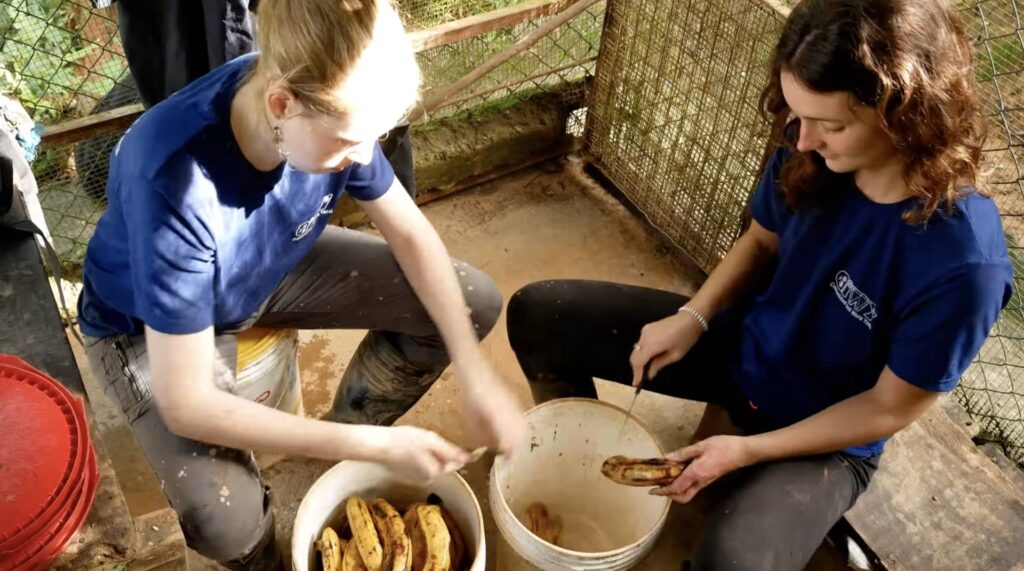
Live and work at one of our sanctuaries