Skip to content

Volunteering at Jacj Cuisi Wildlife Sanctuary

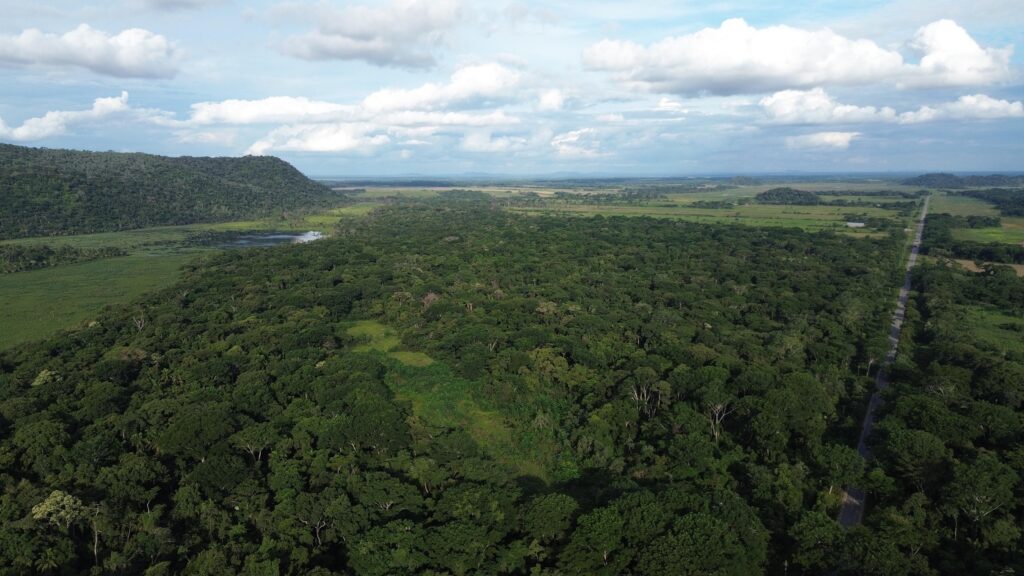
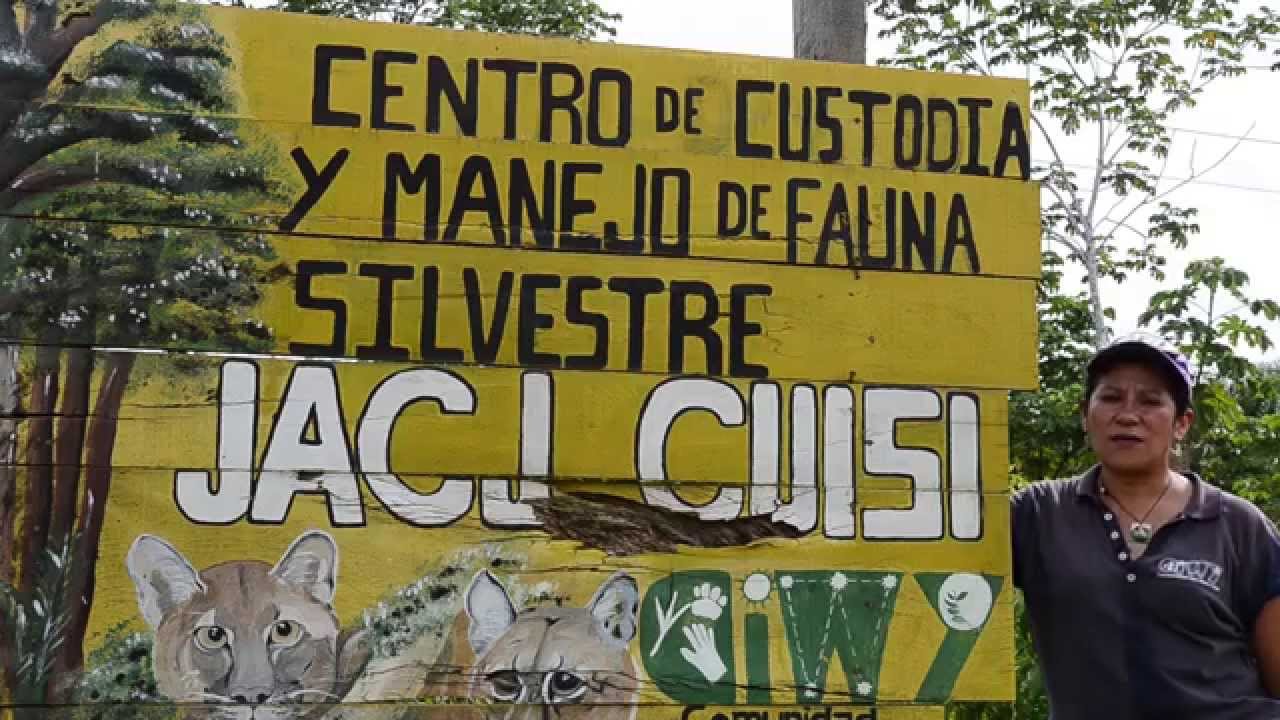
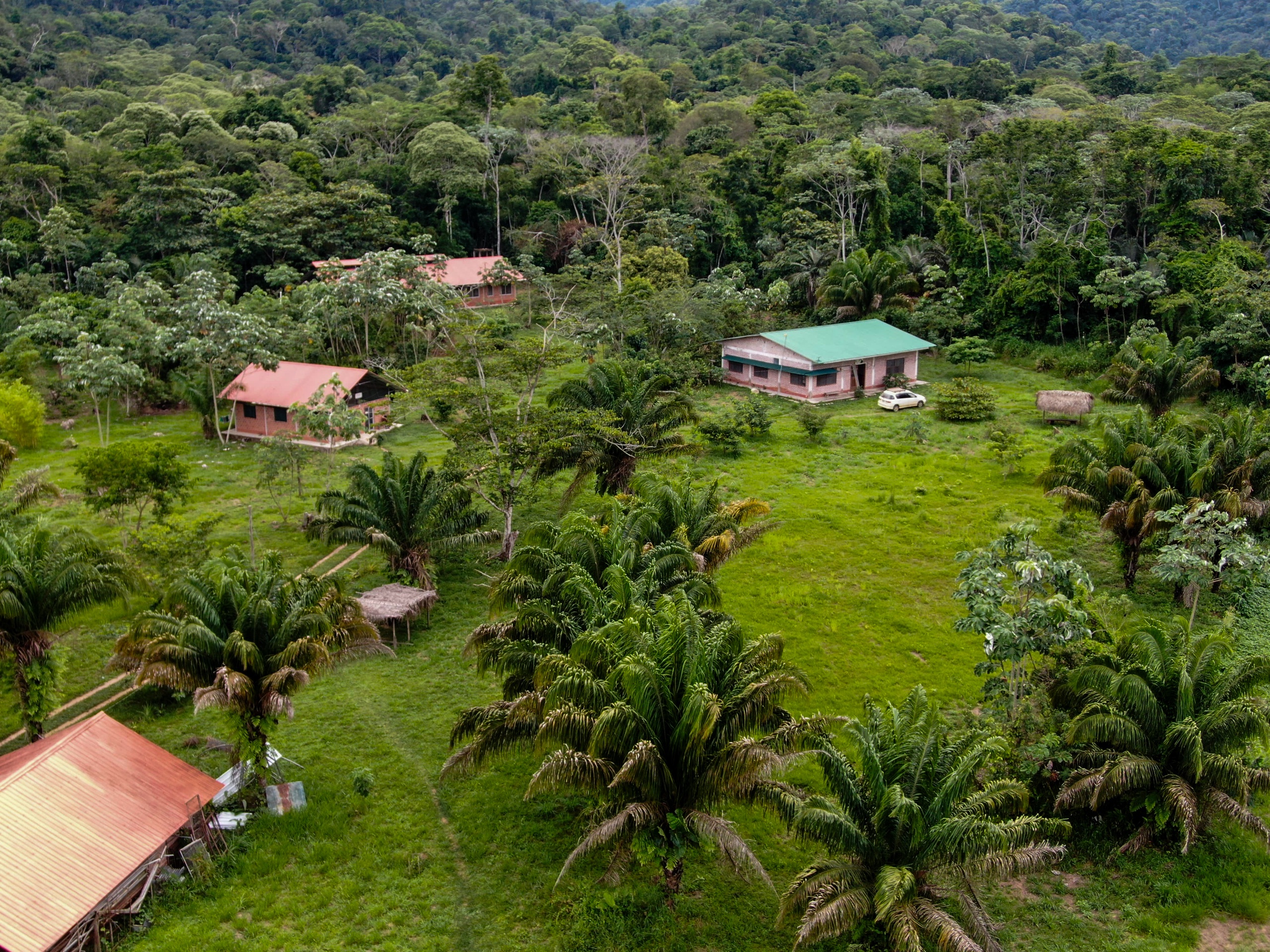
300 hectares of pre-Andean Amazon forest bordering Madidi National Park — 25 km from Rurrenabaque.

Watch the film

Jacj Cuisi at a Glance

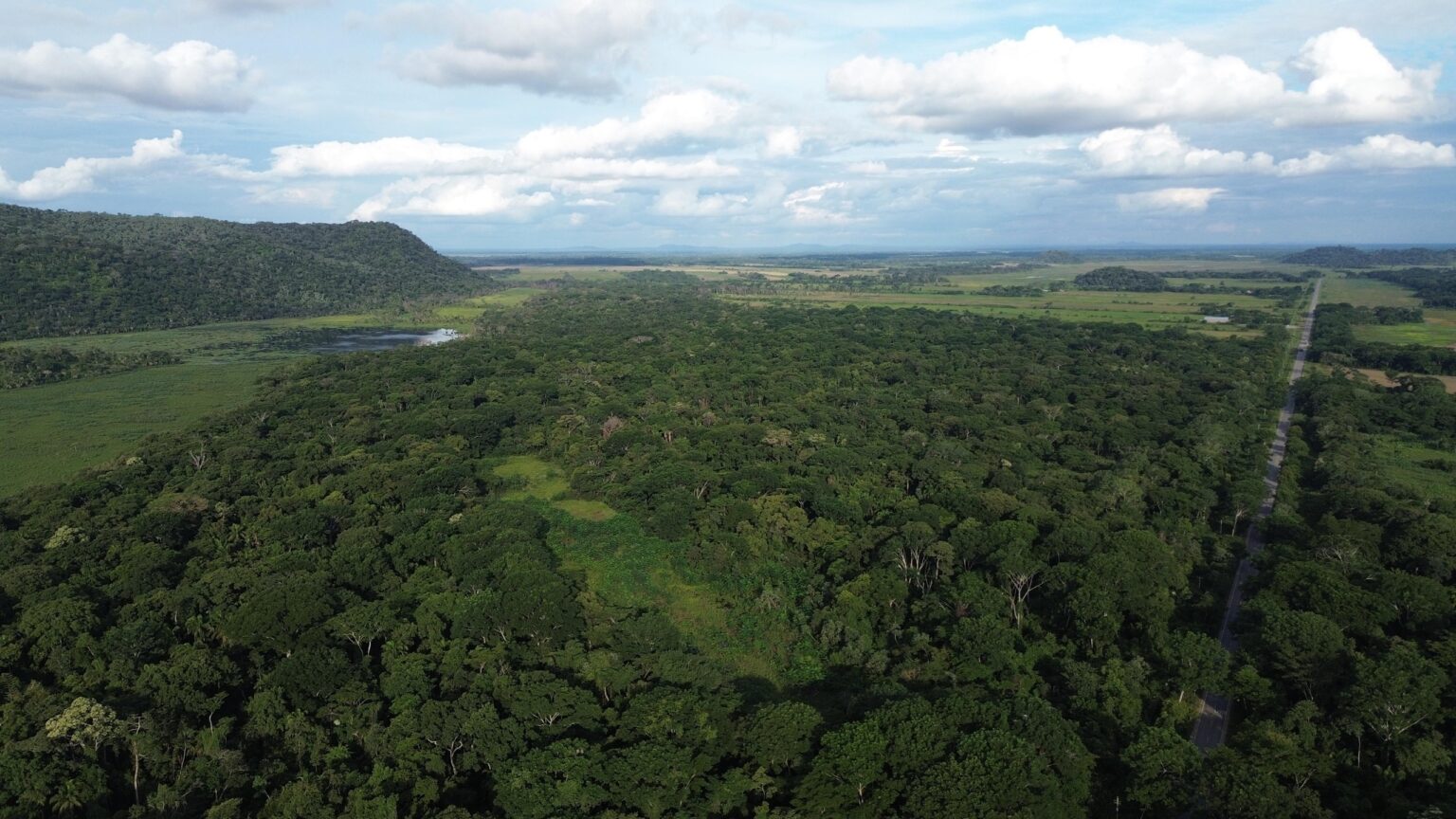
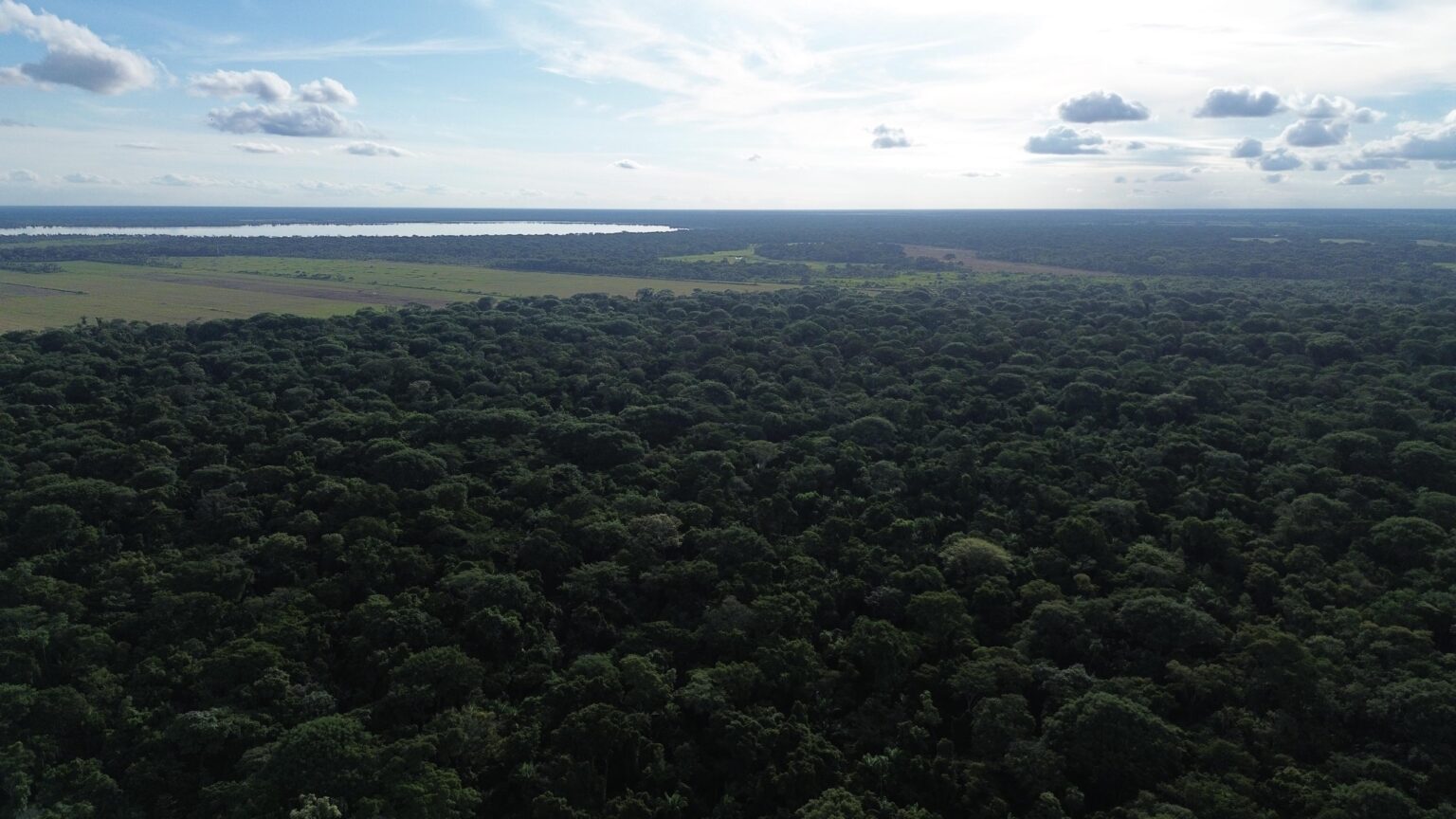
Jacj Cuisi consists of 300 hectares of pre-Andean Amazon forest, located 25 km from Rurrenabaque. The sanctuary borders the Madidi National Park, one of the most biodiverse places in the world.

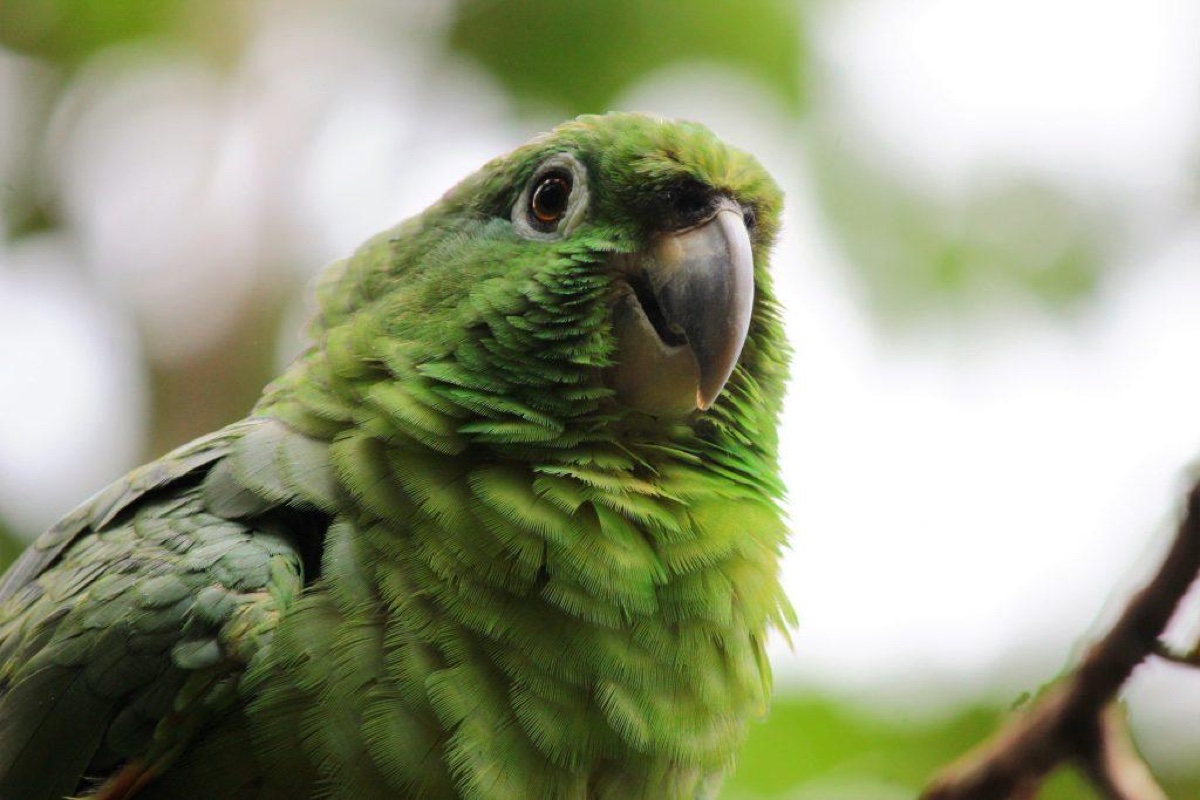
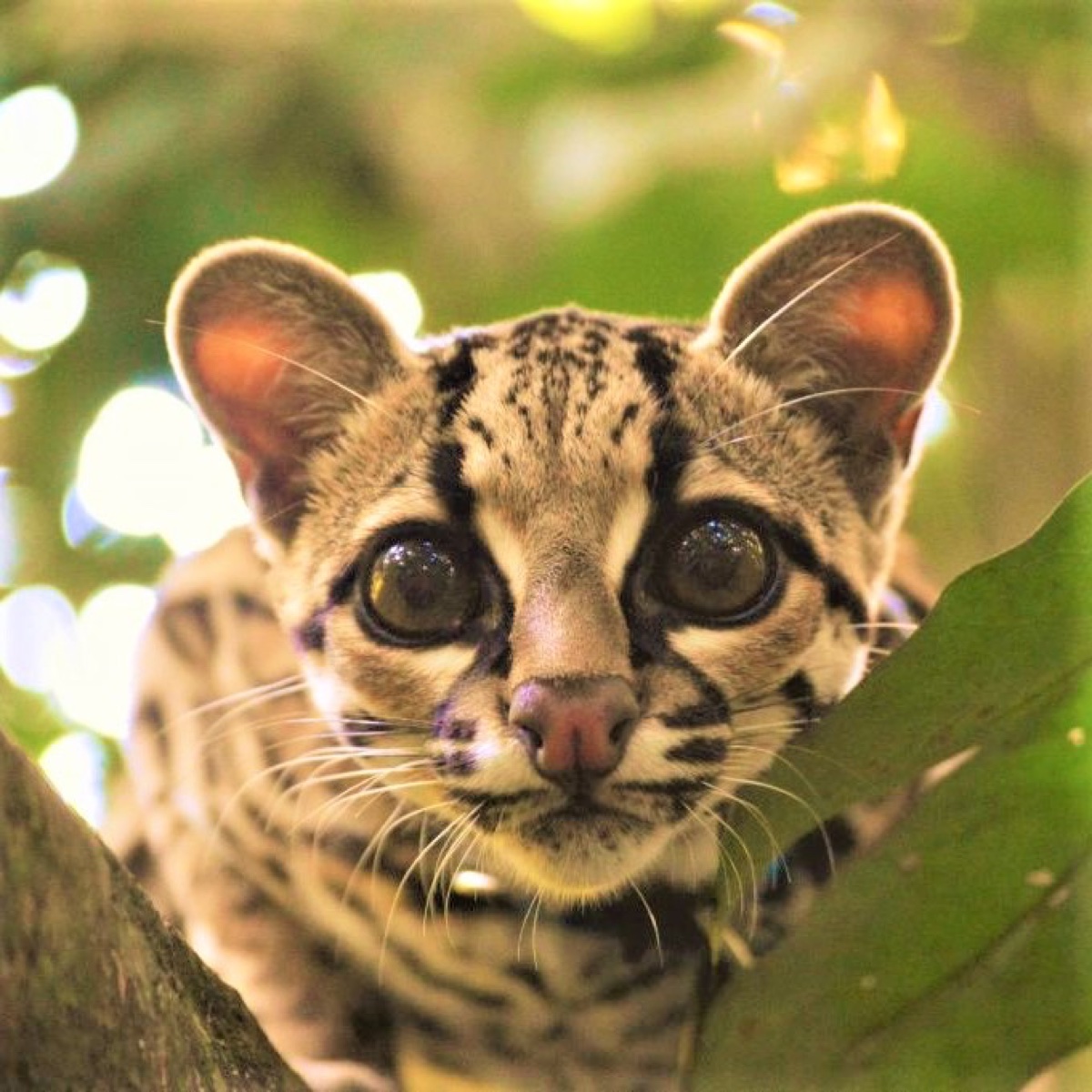
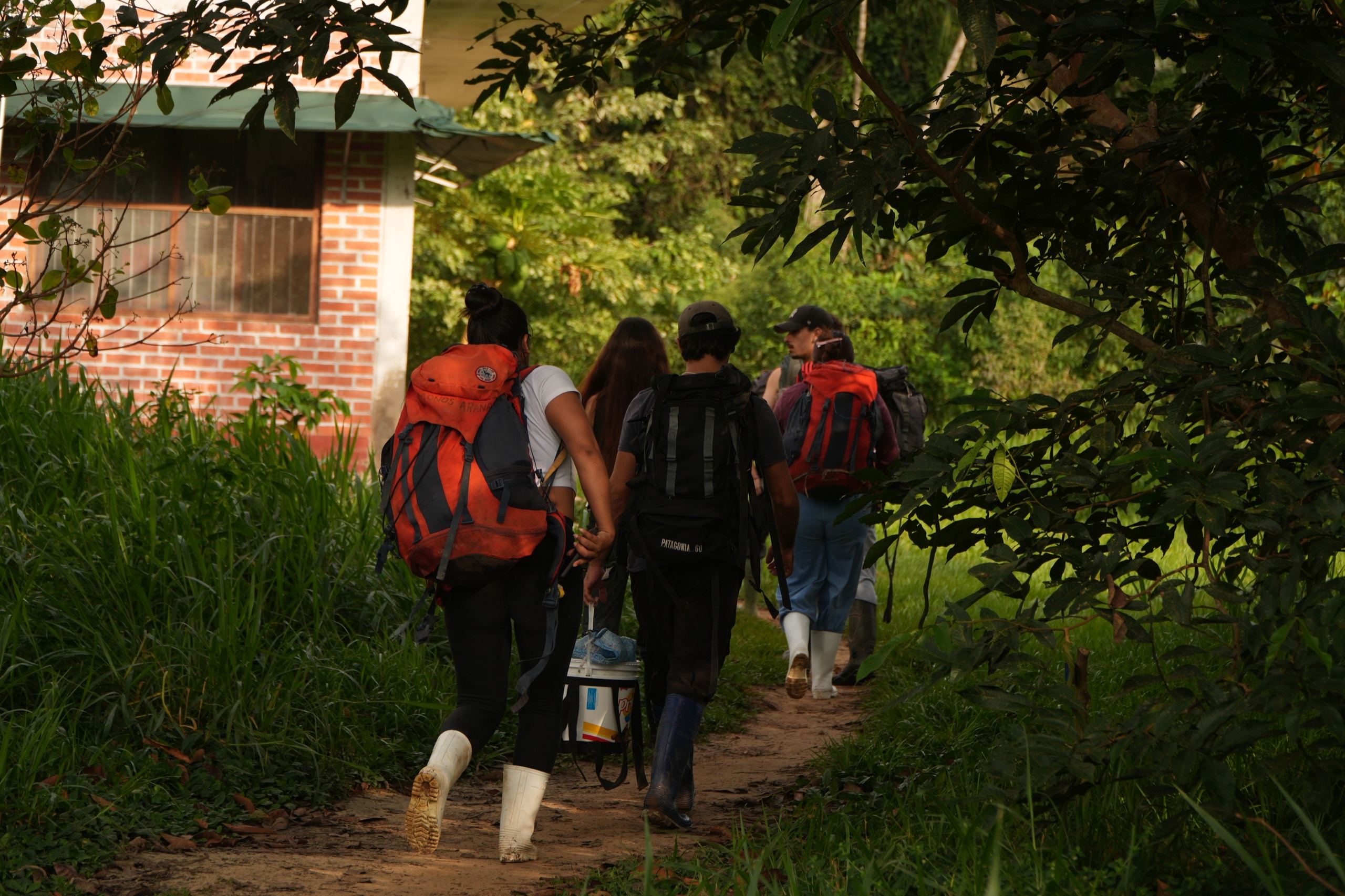
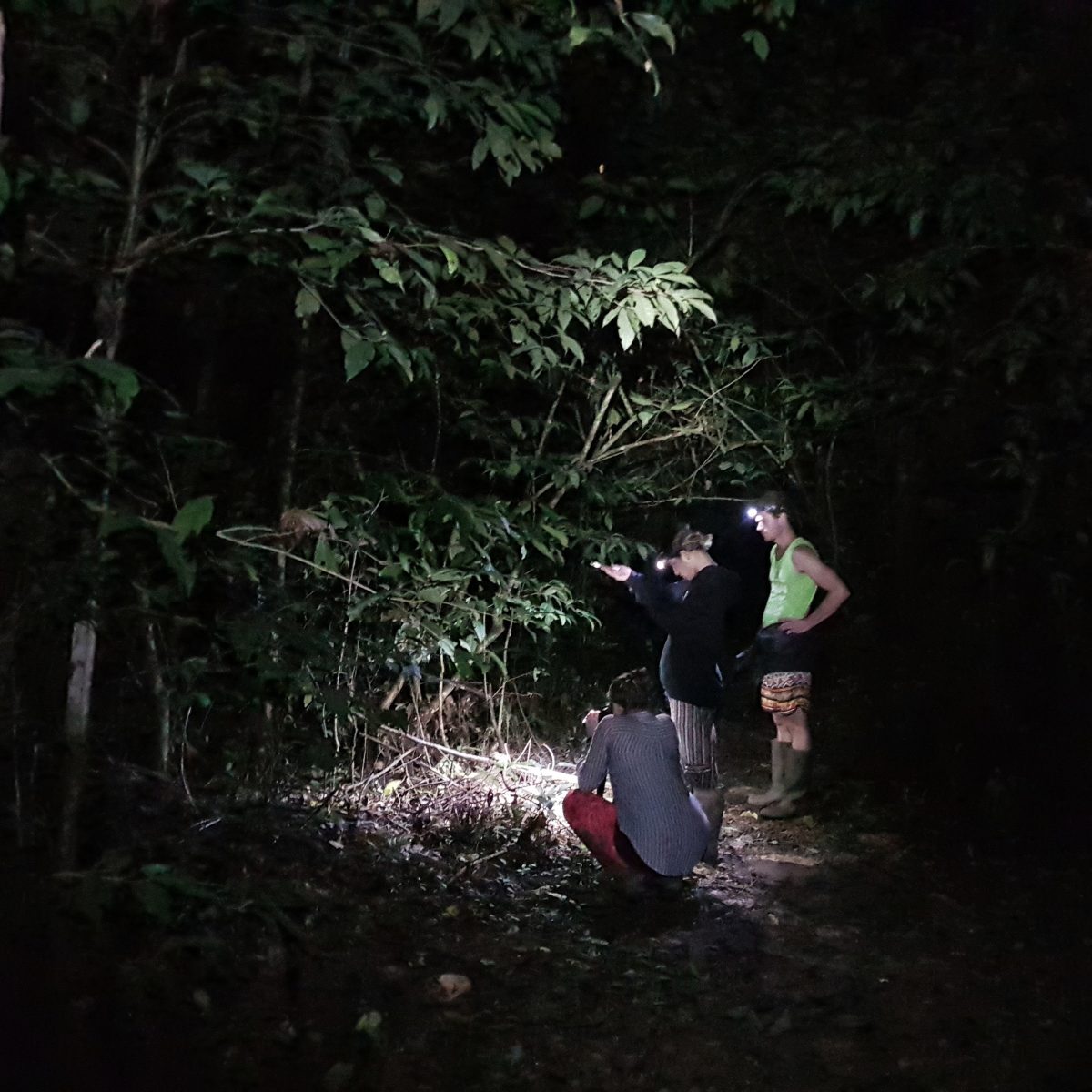
In Jacj Cuisi you can enjoy walks through the jungle where you will see many birds (macaws, toucans, Amazonian parrots) and you can bathe in its streams of crystal-clear water. At night take the opportunity to stargaze and join our walks on full moon nights to see nocturnal animals.

Work Areas

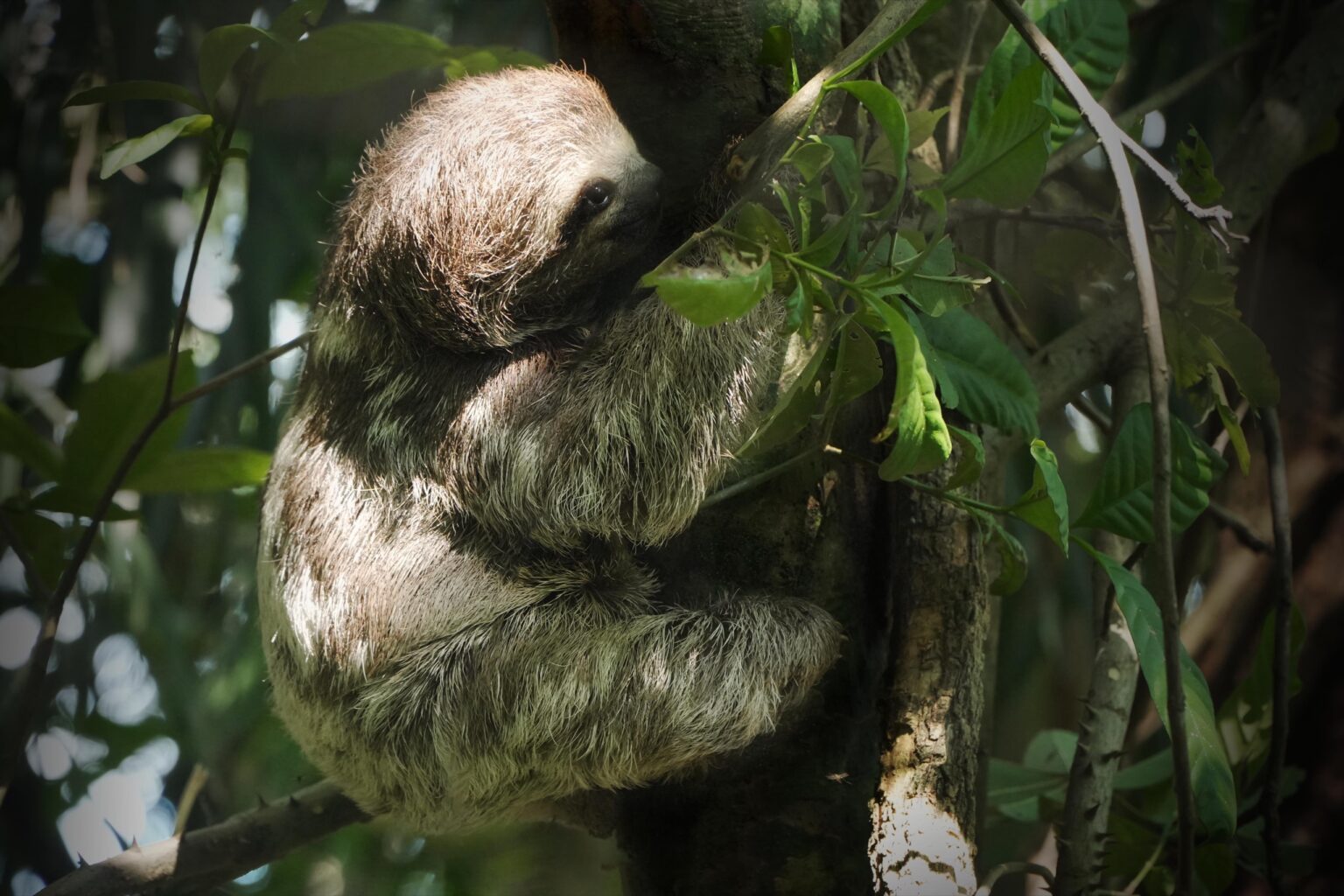
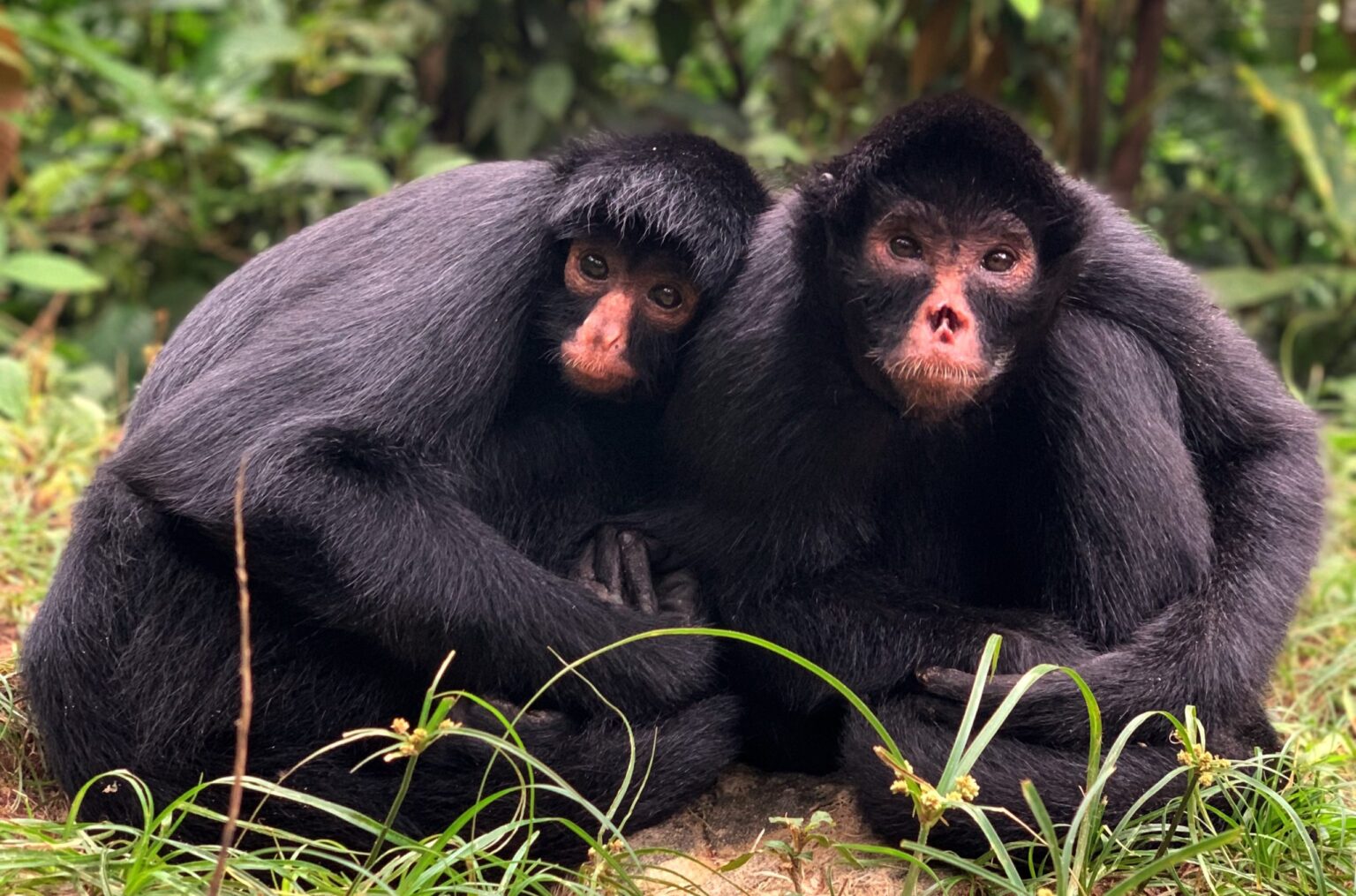
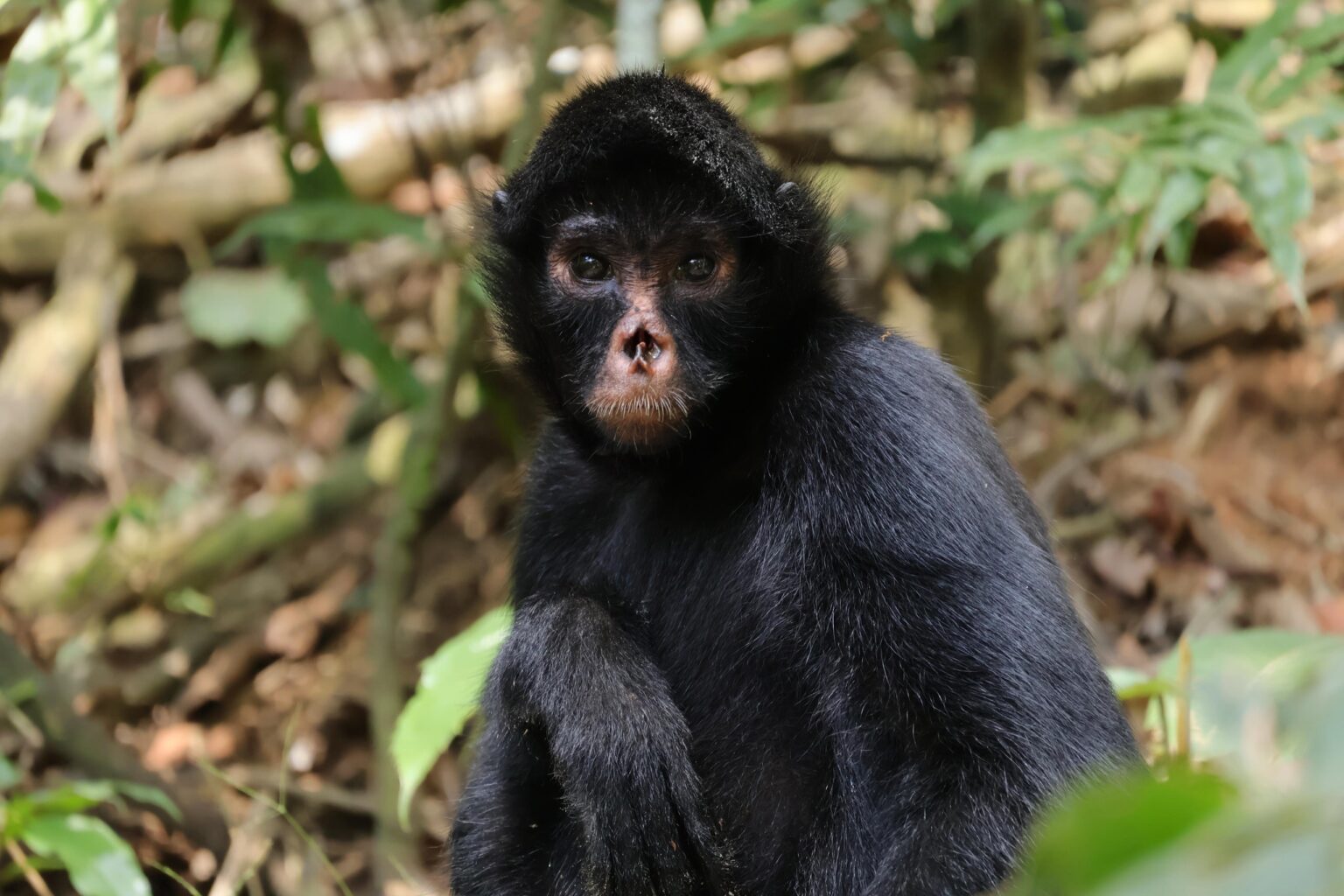
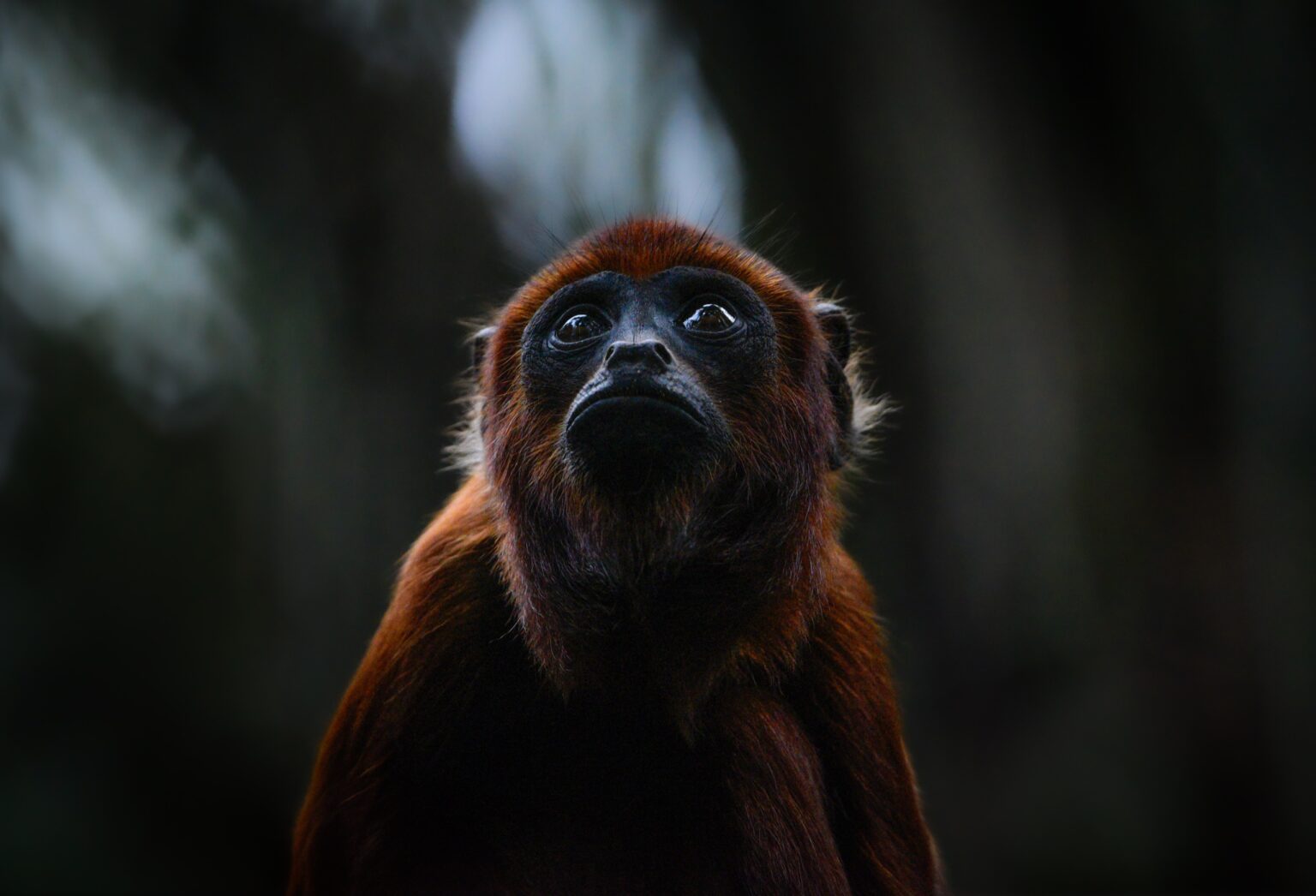
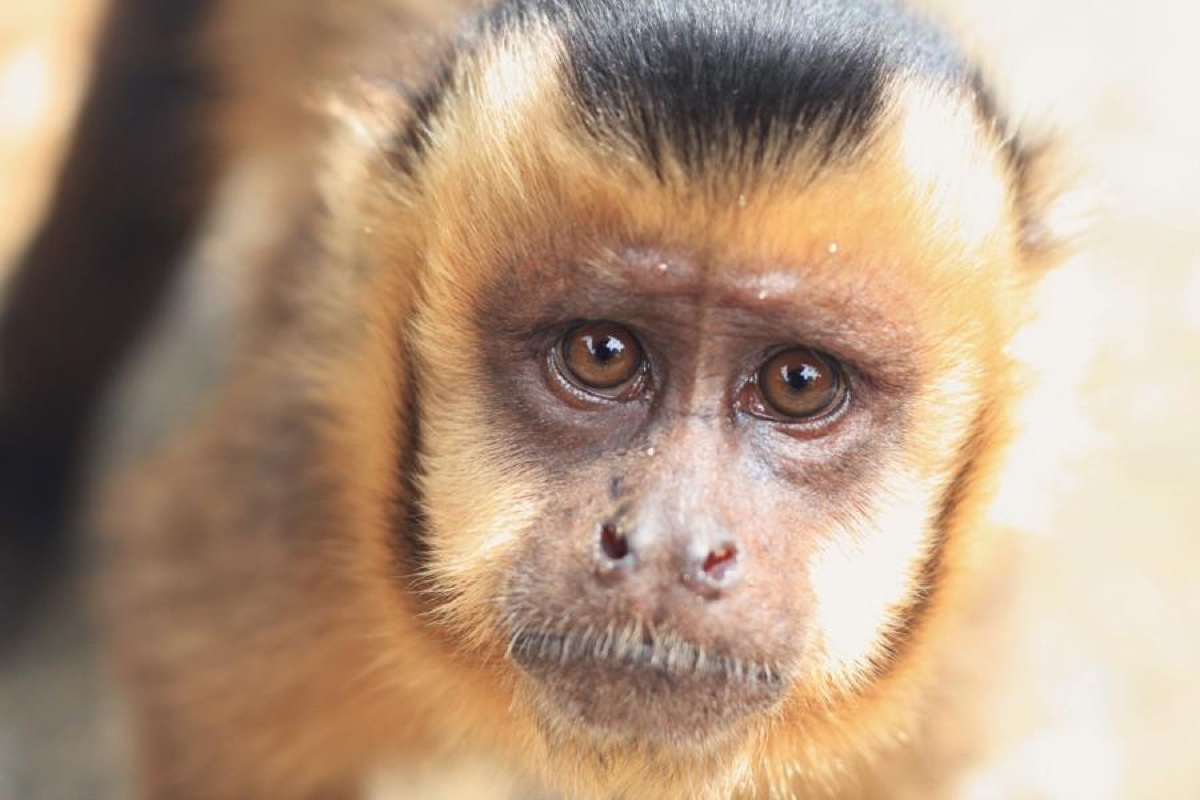
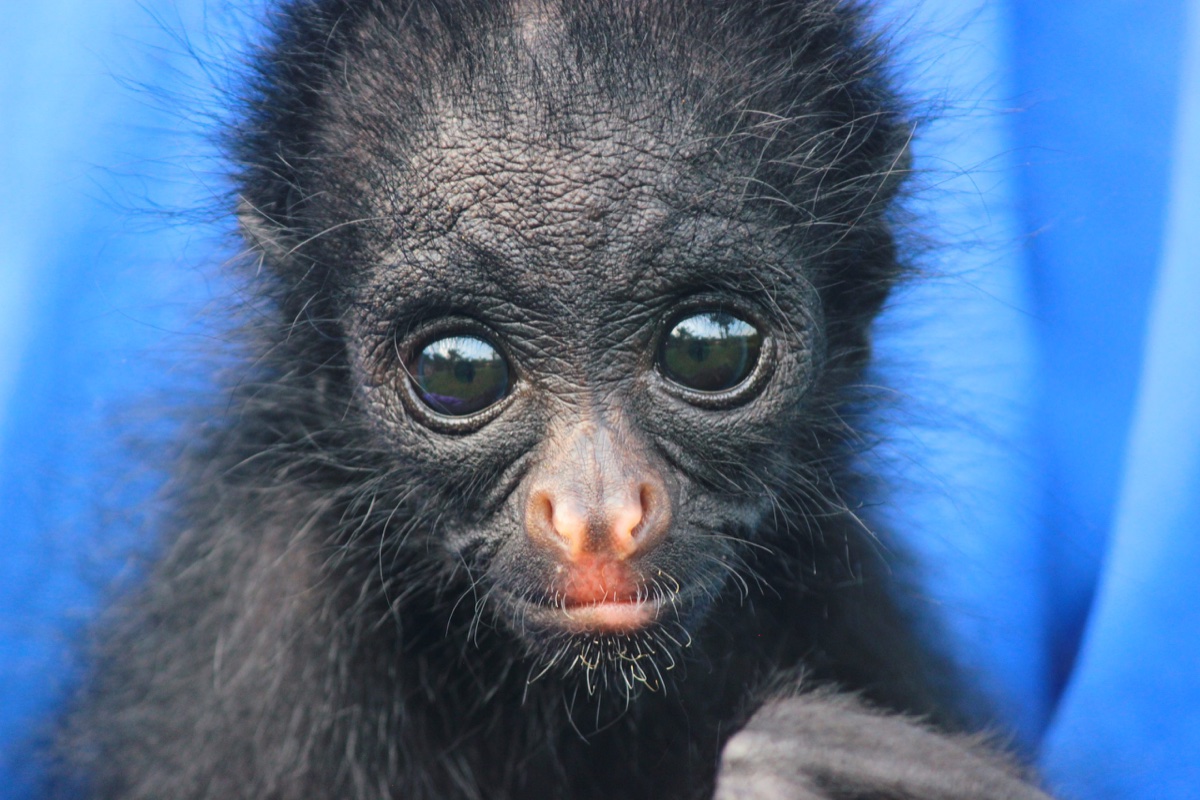
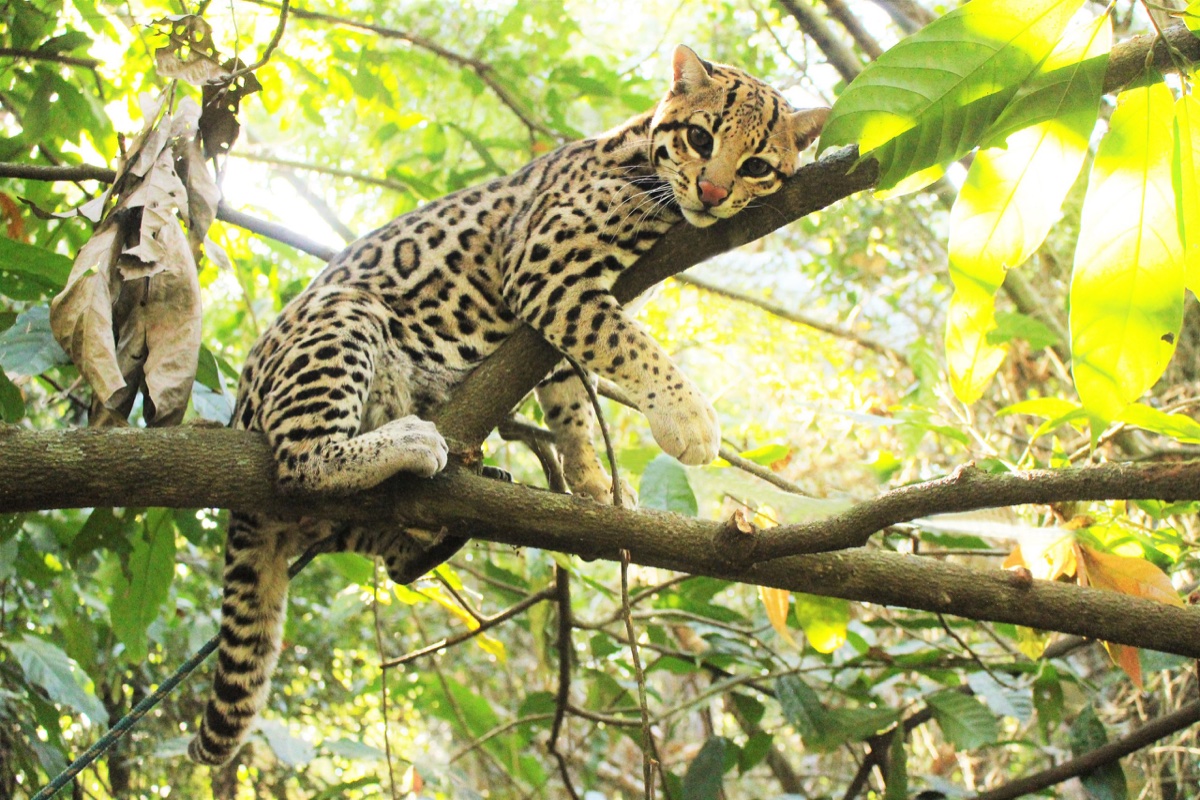
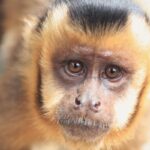
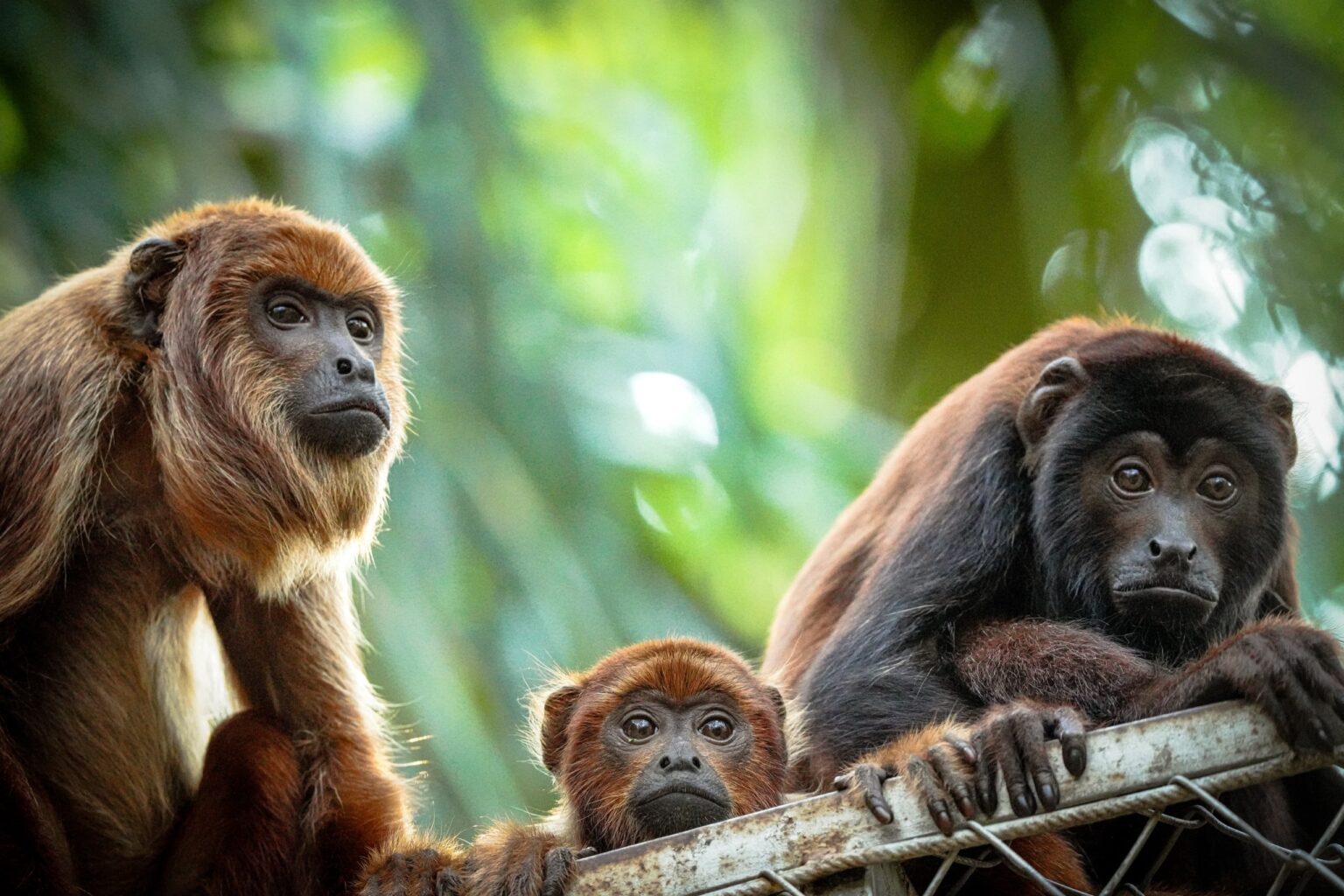
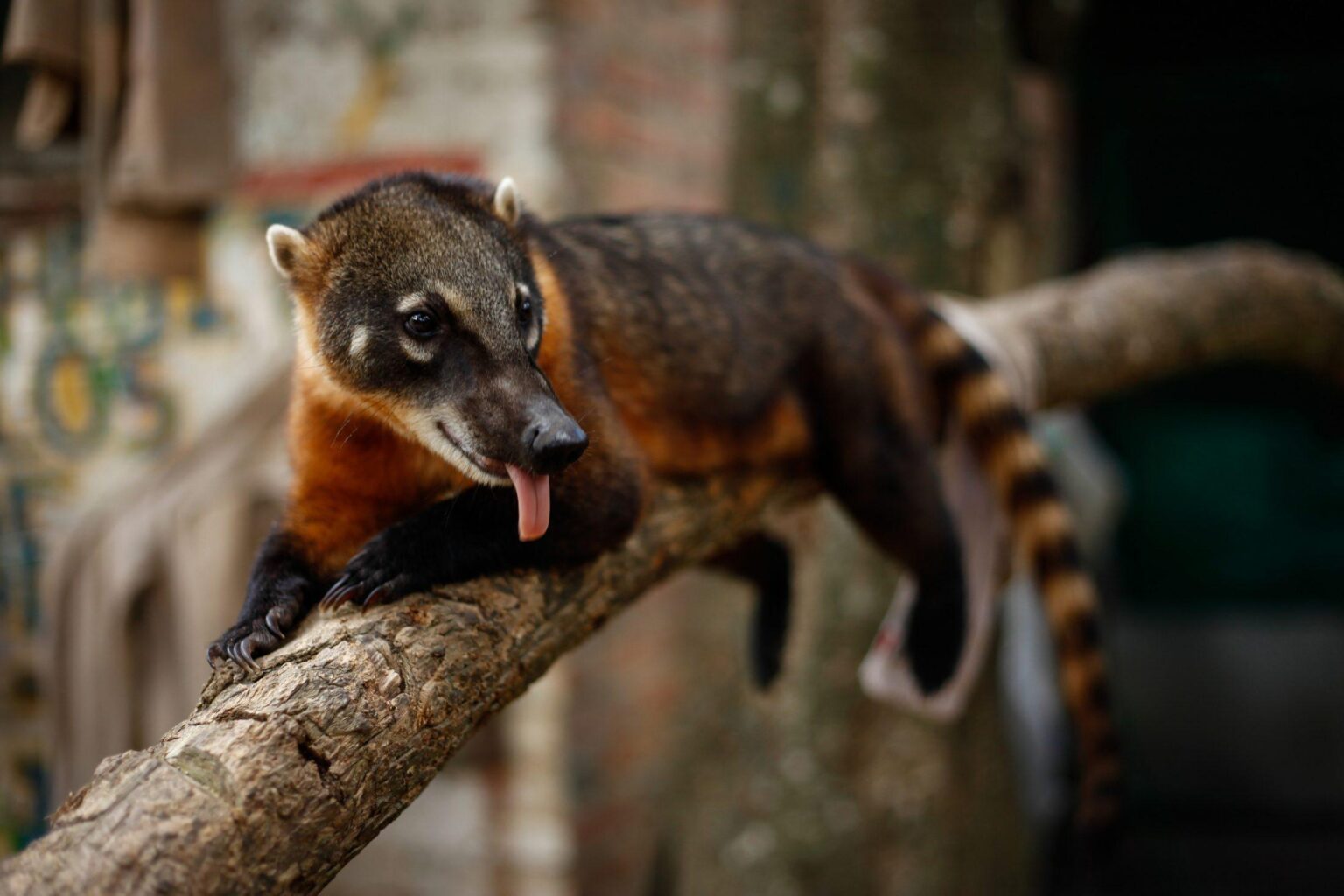
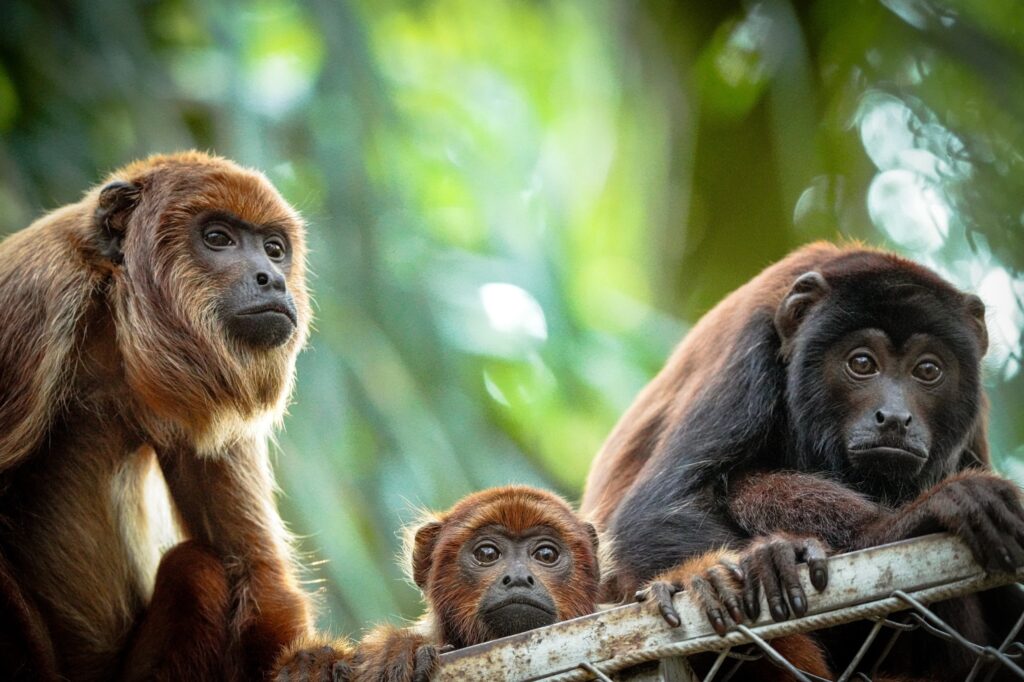
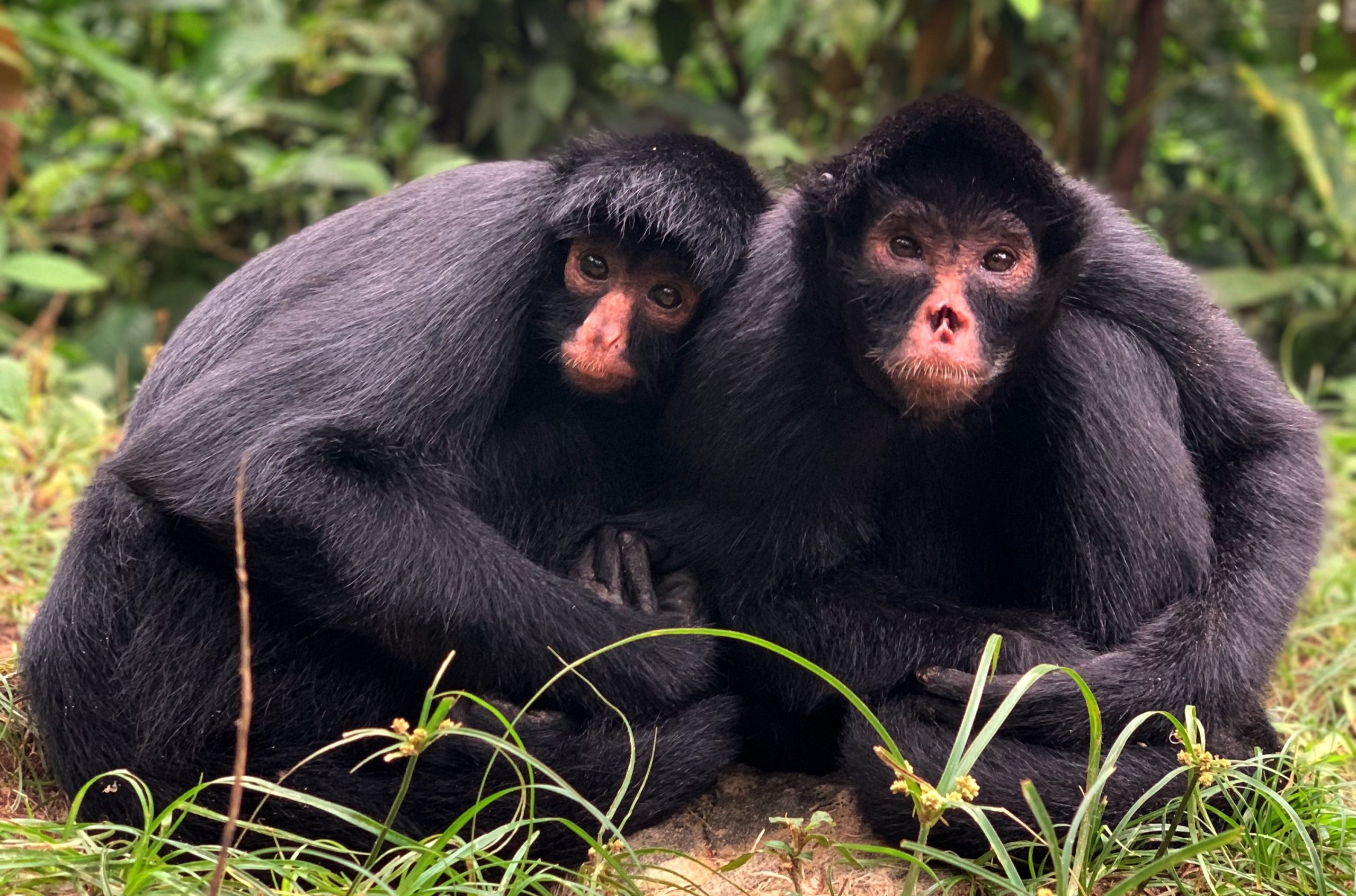
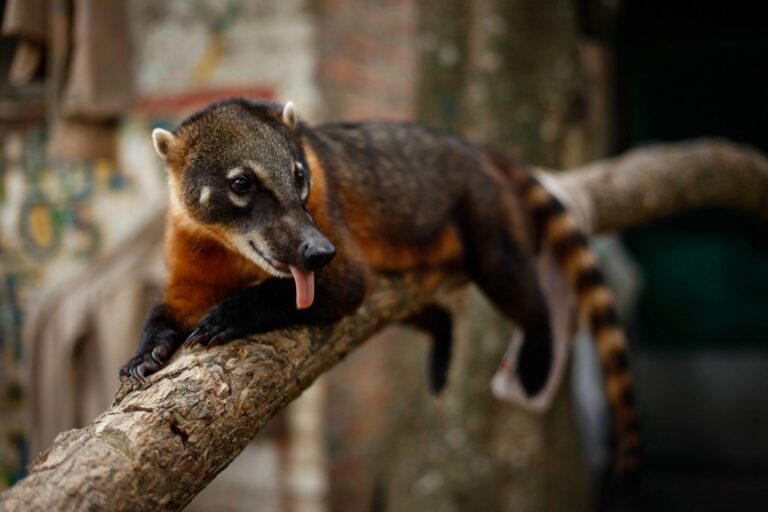
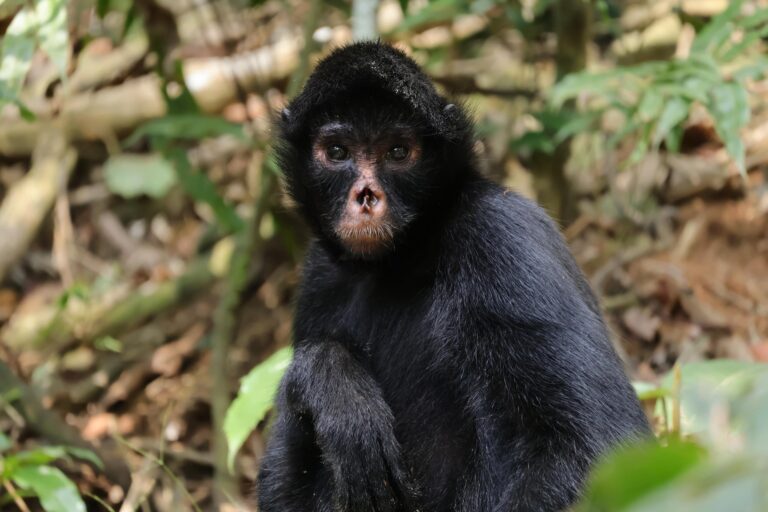
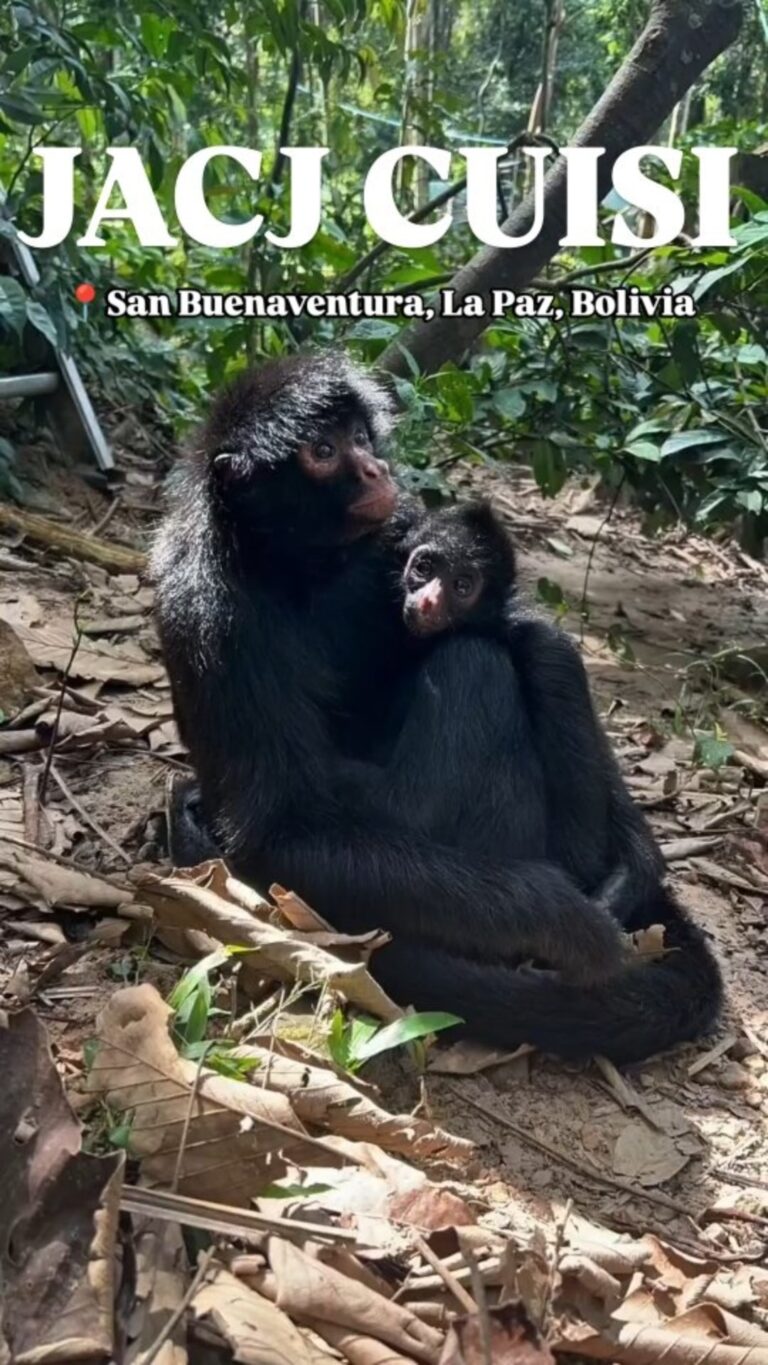
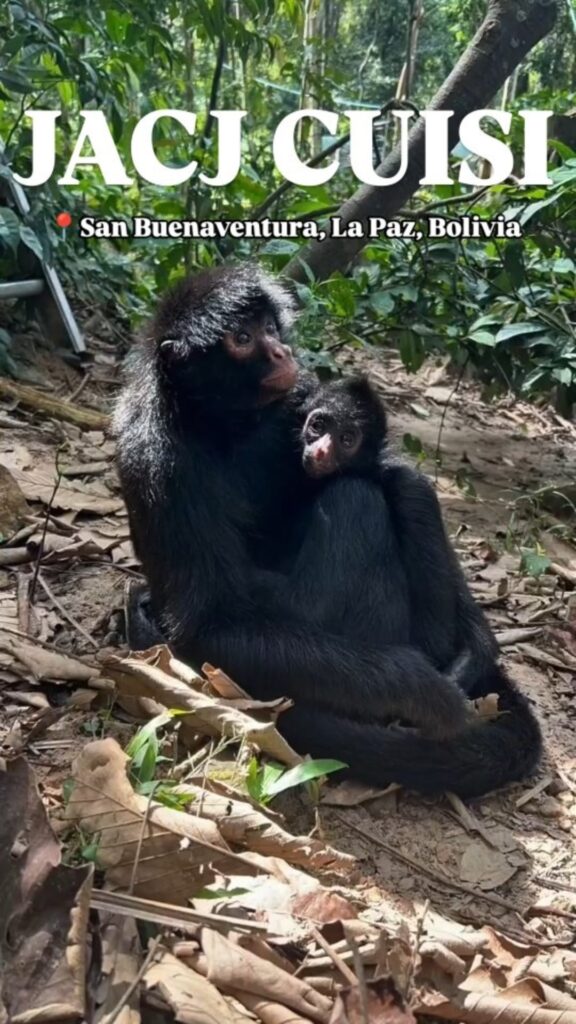
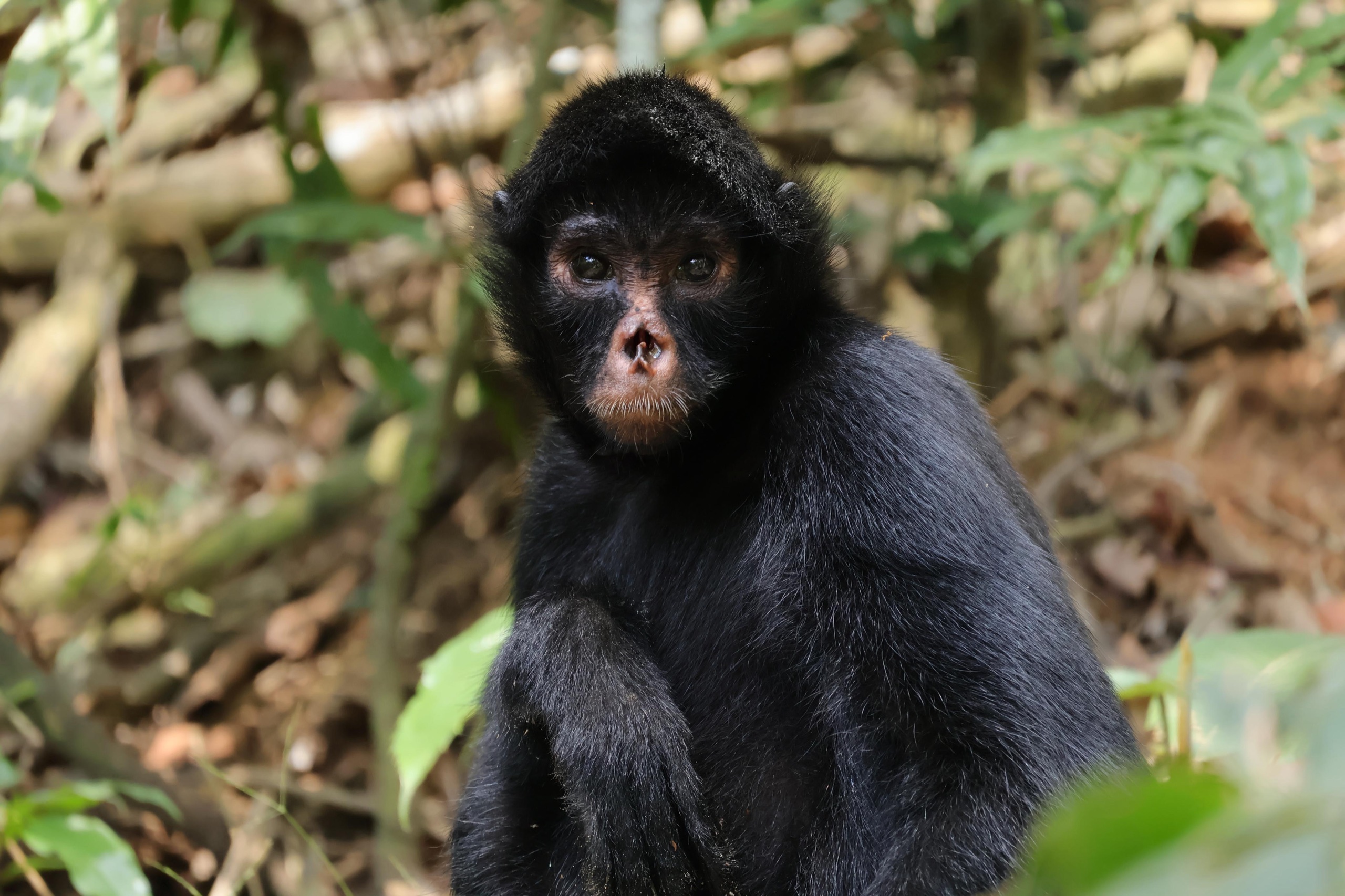
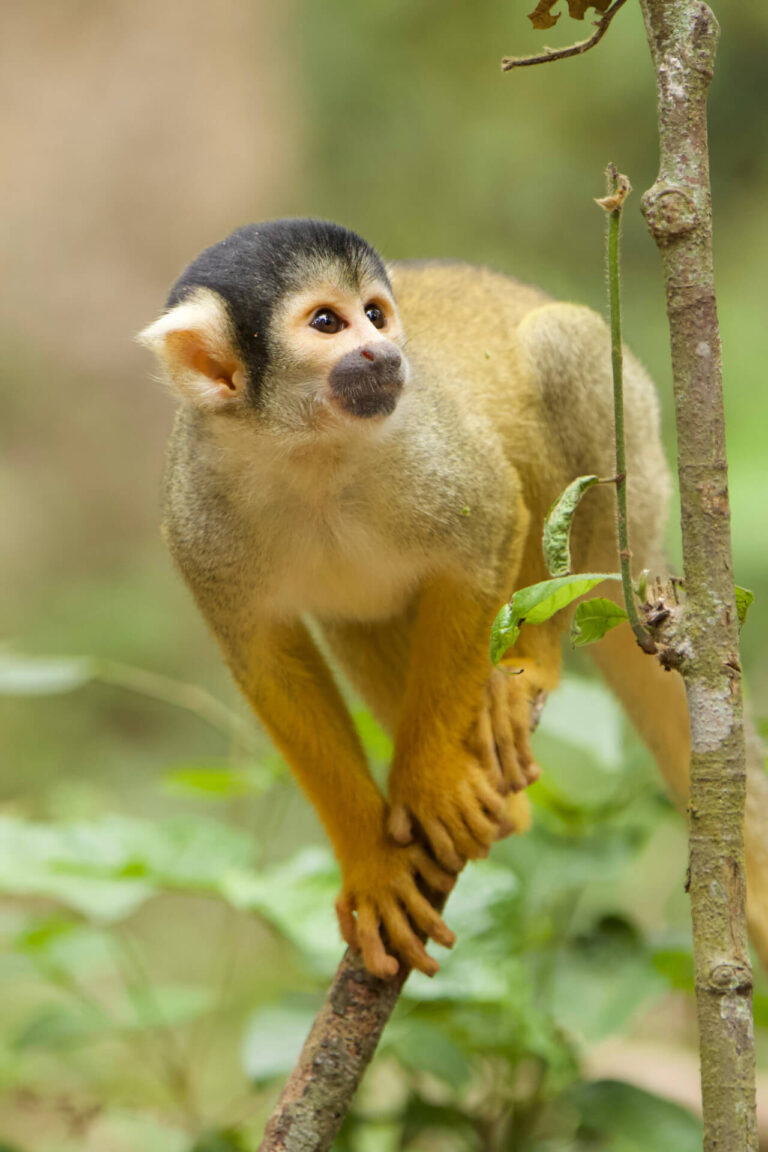
At Jacj Cuisi we currently care for spider monkeys, squirrel monkeys, capuchin monkeys, and coatis. We have a full veterinary clinic and we are building new facilities to house more animals in the future.

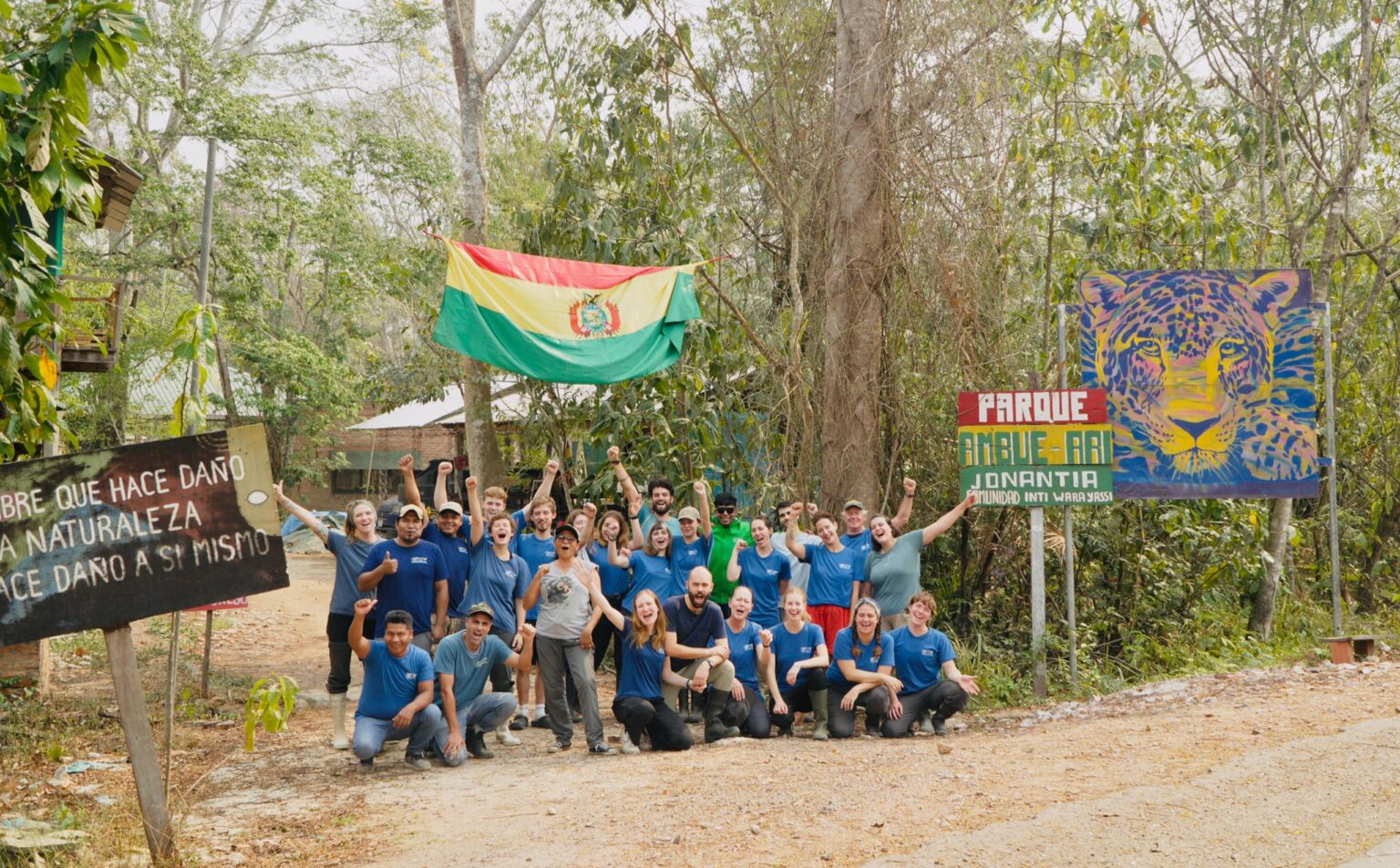
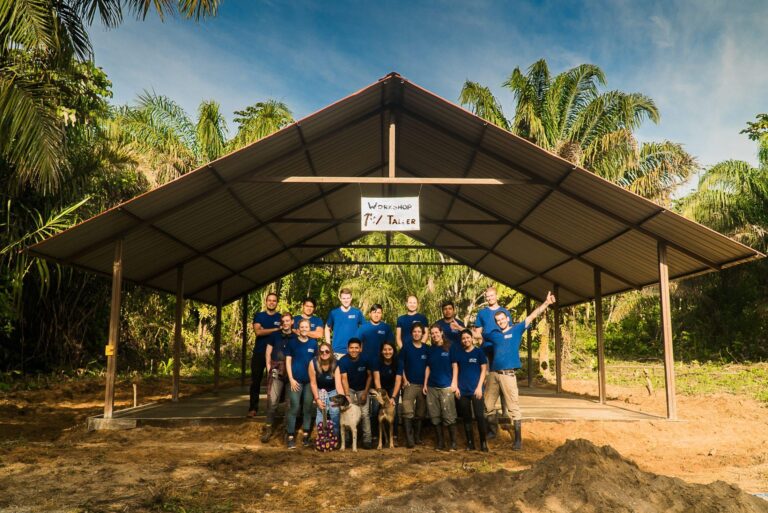
The atmosphere at Jacj Cuisi is very familiar and everyone collaborates in the daily tasks and maintenance of the camp, as well as in small construction projects.

Volunteers work six days a week and have one day off. Normally volunteers go to Rurrenabaque on their day off to disconnect, access WiFi, eat out and shop for the week. There is also a French bakery with delicious pastries.

Each area has a minimum time commitment for the well-being and stability of the animals.

Construction, Maintenance & Gardening

Construction, Maintenance & Gardening

7 days

No direct animal contact — improvement of animal facilities and help with construction projects.

Improvement of animal facilities and help with construction projects. Maintenance and garden work. Please note: you will not be able to work directly with any animals.

Capuchin Monkey Areas

Capuchin Monkey Areas

15 days

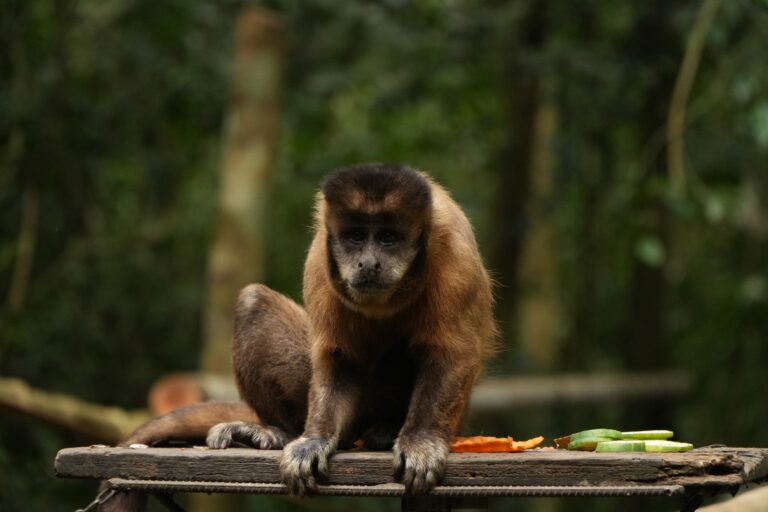
Capuchin monkeys, albifron monkeys.

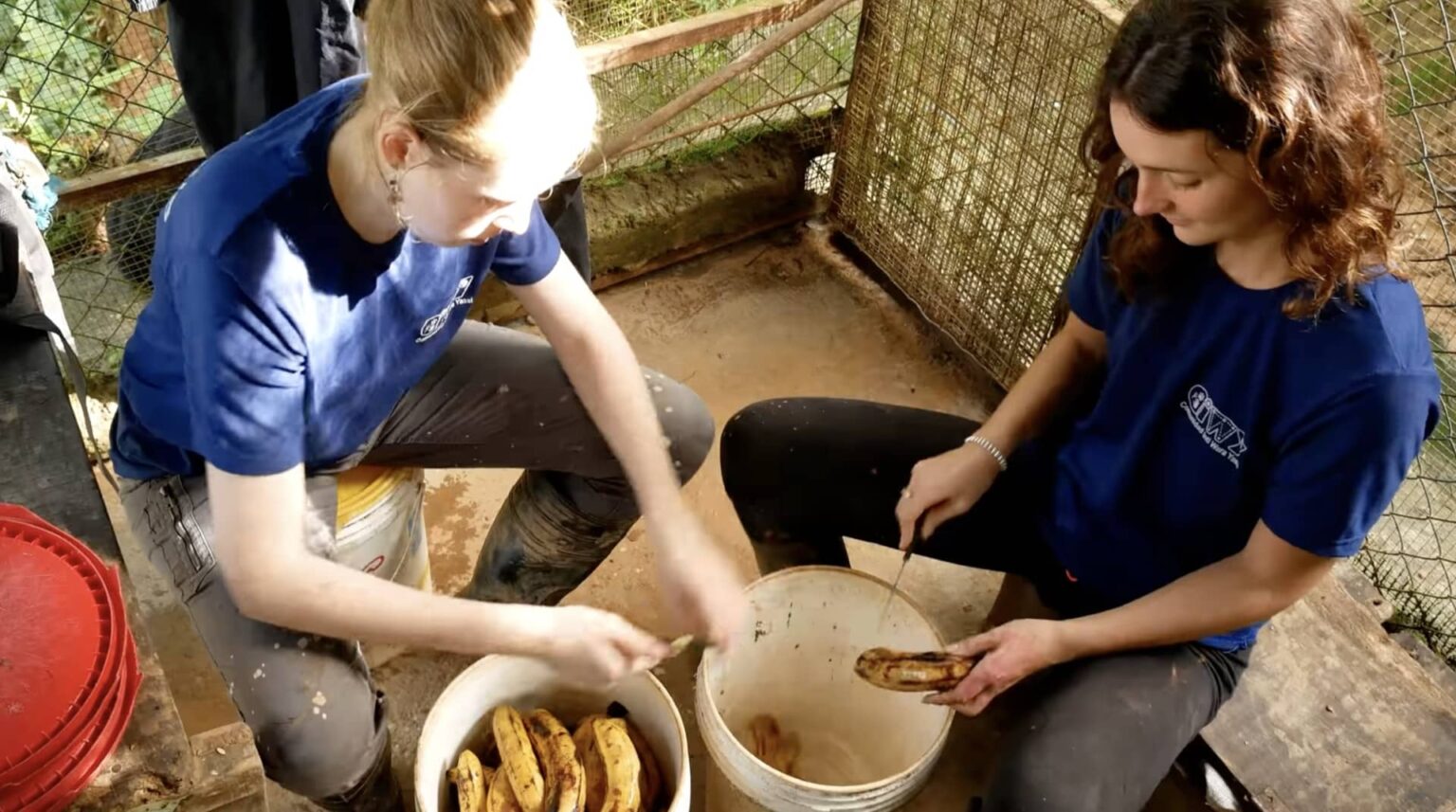
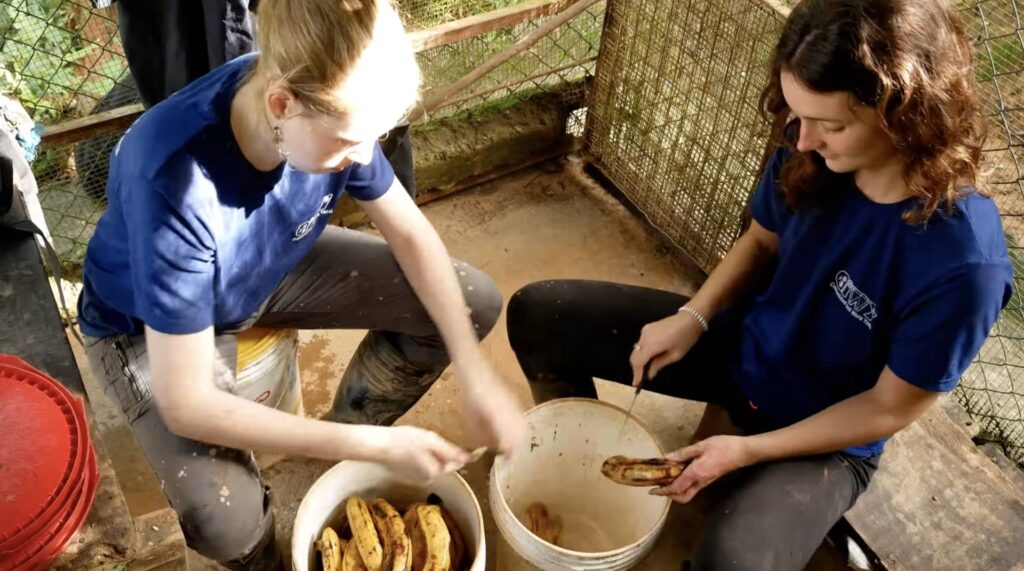
Maintenance of enclosures and area, including runner systems. Preparing food, enrichment, cleaning and other tasks.

Small Animal Area

Small Animal Area

15 days

Coatis.

Maintenance of enclosures and area, including runner systems. Preparing food, enrichment, cleaning and other tasks.

Spider Monkey Area

Spider Monkey Area

30 days

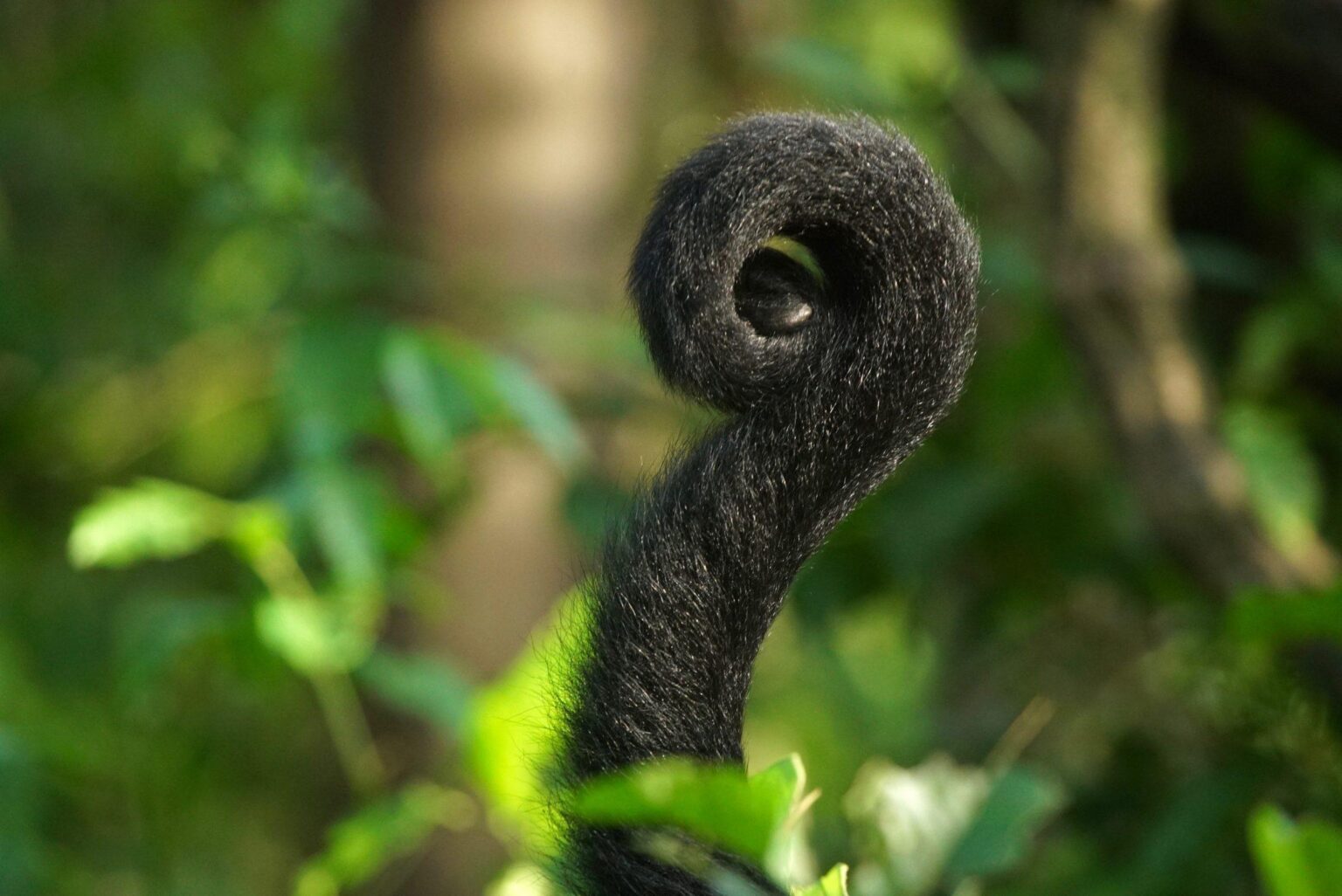
Spider monkeys, squirrel monkeys.

Maintenance of enclosures and area. Preparing food, enrichment, cleaning and other tasks.

If you work in construction and decide to stay longer to work with an animal, the minimum stay begins to count at that time.

A Typical Day

  1. 7:00-7:30 am

    Housework (Cleaning common areas, breakfast preparation, camp maintenance)

  2. 7:30-8:30 am

    Breakfast

  3. 8:30 am-12:30 pm

    Work in your assigned area

  4. 12:30-2:00 pm

    Lunch

  5. 2:00-5:30 pm

    Work in your assigned area

Life at Camp

Accommodation & Facilities

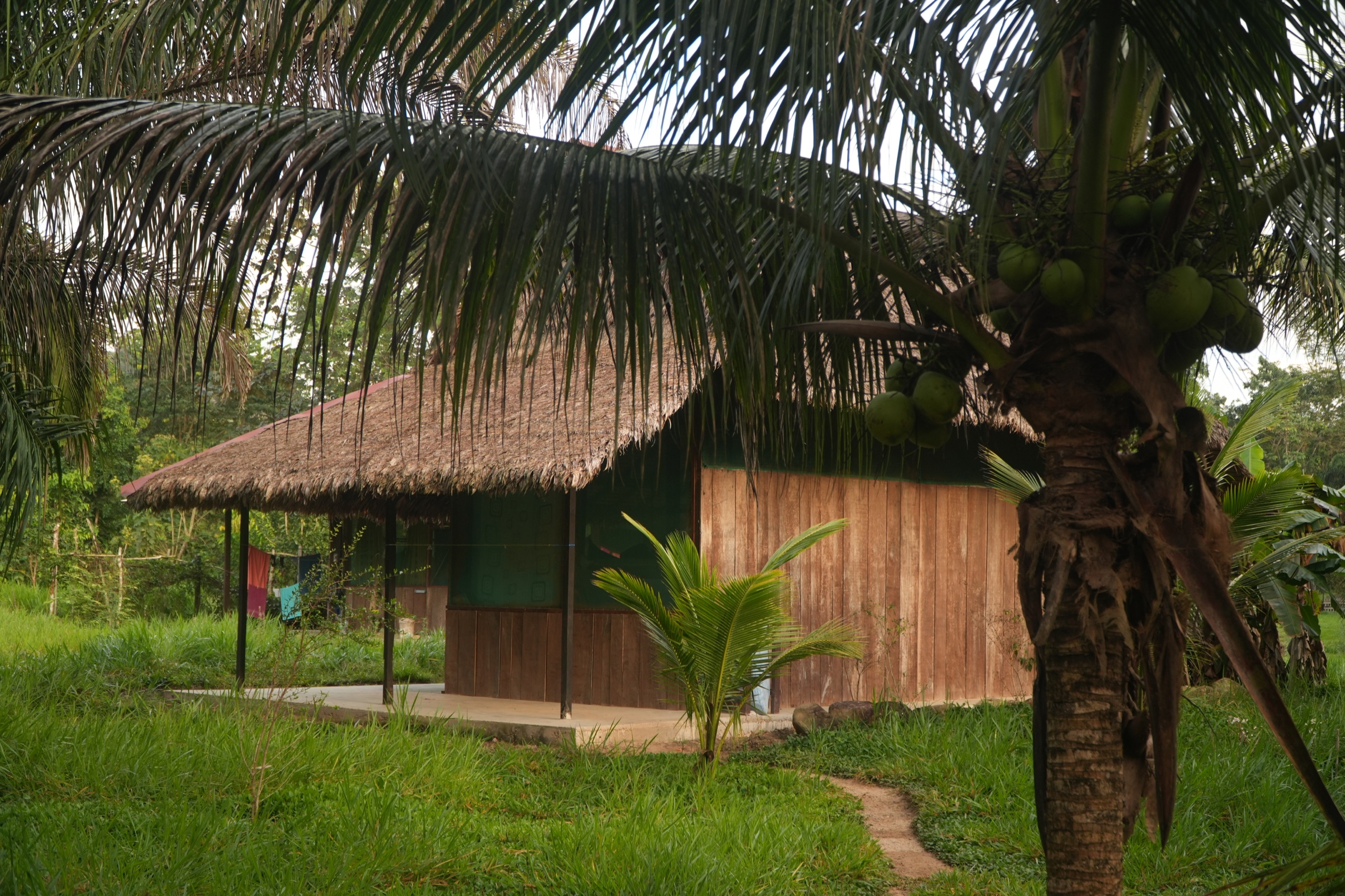
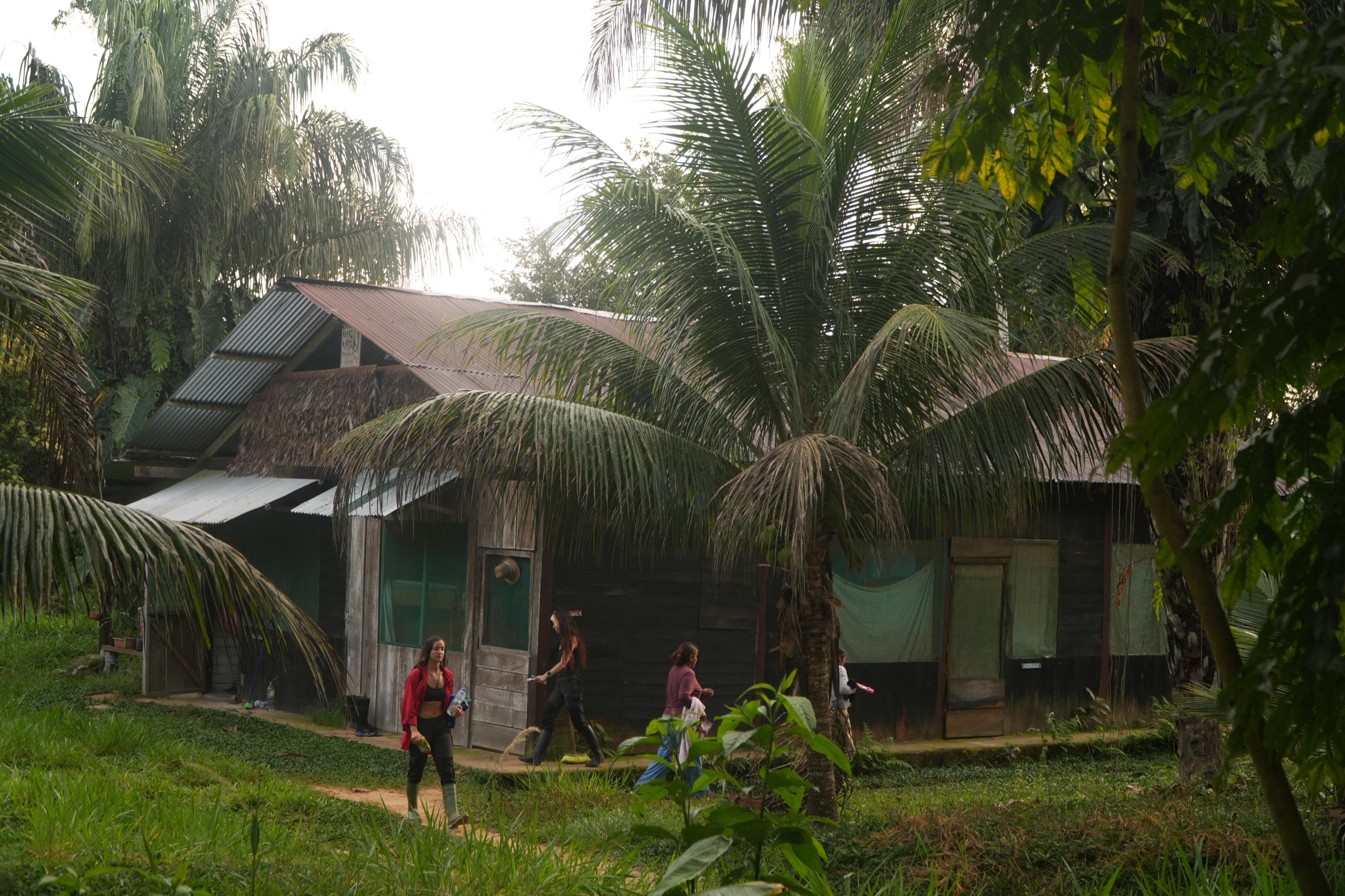
Volunteers at Jacj Cuisi share a large room with bunk beds. You will receive sheets, a pillow and a mosquito net. We recommend you bring a sleeping bag or a blanket in the dry season (from April to October) because it is usually cold at night.

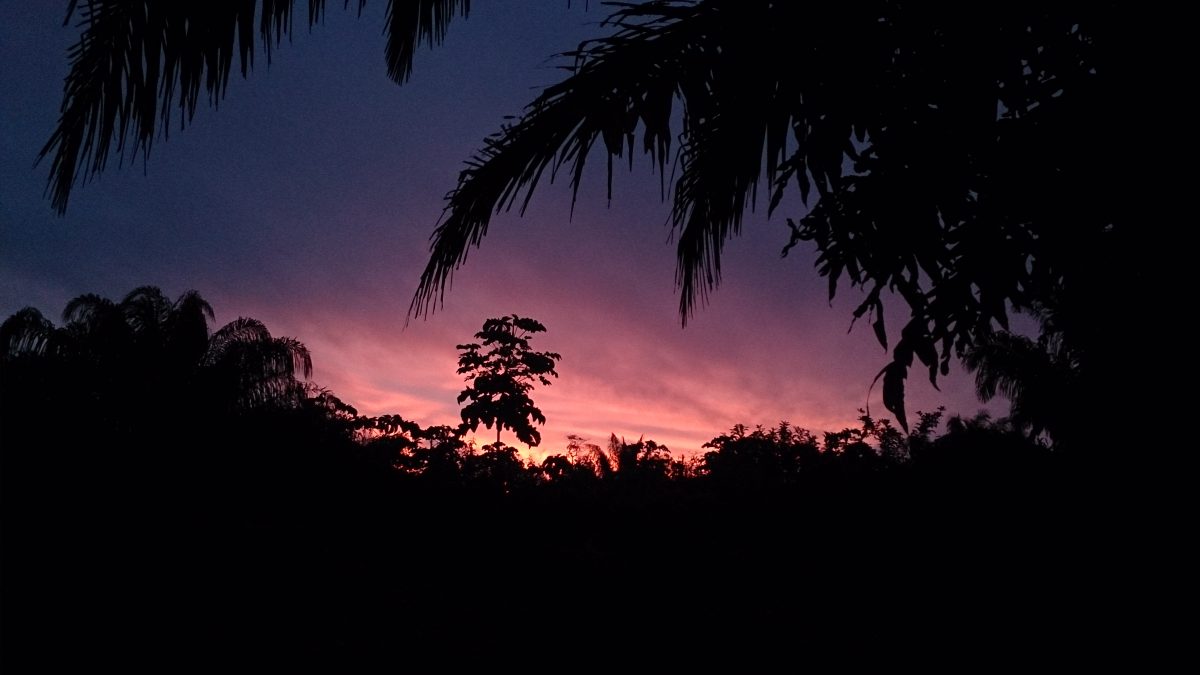
From your bed in the open-air dorm you can enjoy the starry sky in the middle of the virgin jungle.

There is Entel mobile coverage only at specific points within the sanctuary. Showers are cold water. You can also bathe and relax in a nearby stream. Please bring biodegradable soaps, as the water goes directly to the river.

There is electricity in the dorm and the dining room for the fridge, to charge devices and to have light during dinners. In the rest of the camp candles or lanterns are used.

Meals at Camp

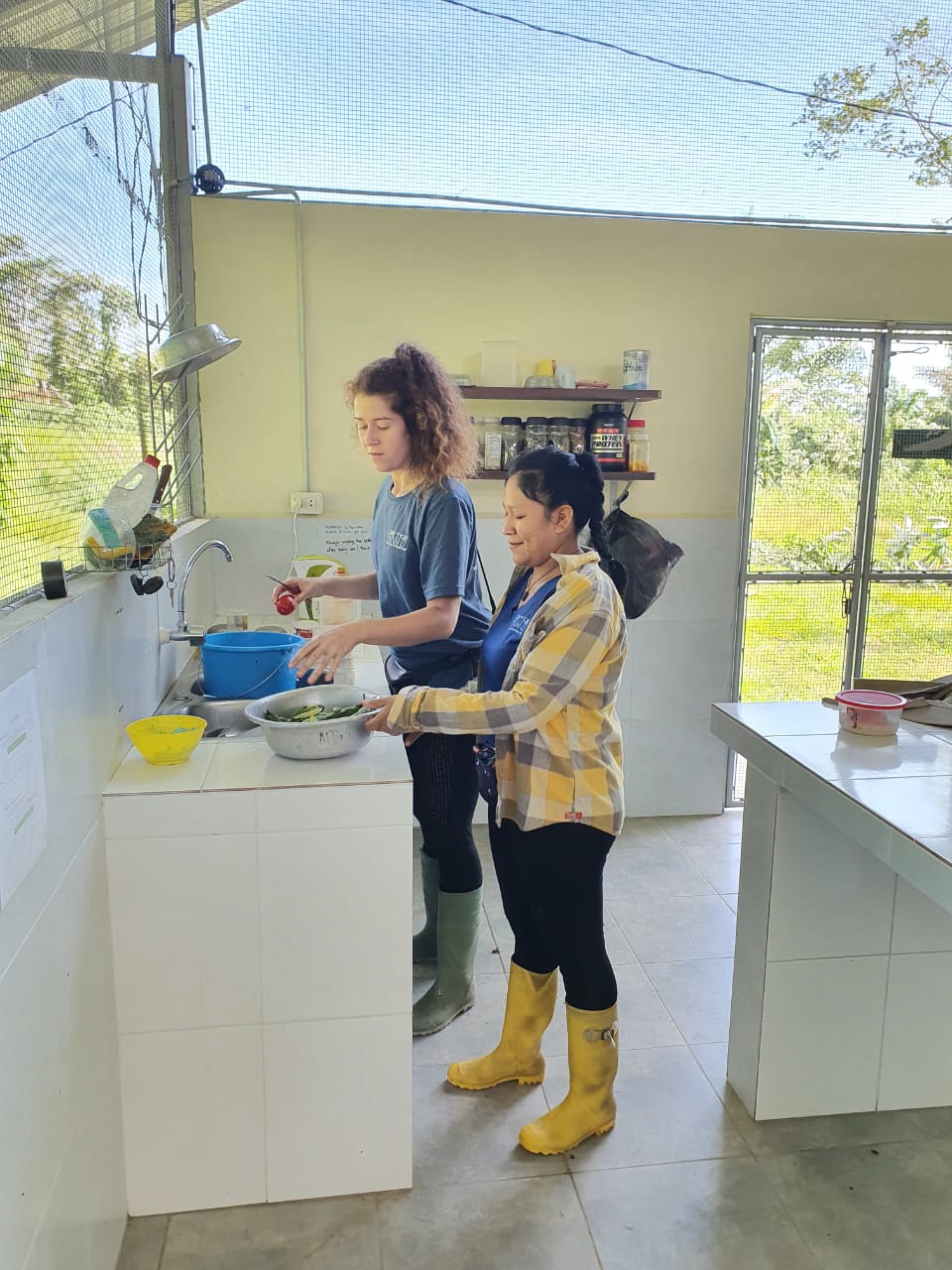
The cost of your stay includes breakfast, lunch, and dinner 6 days per week. All meals are vegetarian.

Breakfast includes homemade bread, margarine, and tea. You can bring cereals, oatmeal or fruit to complement breakfast.

Lunch and dinner are usually cooked by our workers. If you shine in the kitchen, do not hesitate to let us know and delight us with your dishes.

Let us know when you arrive if you have any food restrictions, to take them into account when cooking.

If you have food allergies or intolerances, please bring specific foods with you as we cannot provide them. For example, if you have a gluten allergy, bring enough food because most of our meals contain gluten. You can find these foods in Rurrenabaque.

Vegans are advised to bring protein-rich foods or supplements.

Community & Days Off

The atmosphere at Jacj Cuisi is very family-like. Volunteers usually go to Rurrenabaque on their days off to have cocktails and dine at international restaurants. They usually spend the night there and enjoy their day off relaxing and sightseeing around Rurrenabaque, a beautiful, charming town. Don’t miss the opportunity to buy some croissants, brownies and quiches at the French bakery.

Living in this incredible location has many advantages, but it also has drawbacks, such as the lack of phone reception (although it is the perfect place to disconnect from the rush of the world) and the lack of transportation to nearby towns.

On Instagram

Jacj Cuisi in Motion

Watch the reel our volunteers shot here, then follow us for daily life from the sanctuary.

Tapping play loads the reel from Instagram.

Volunteer Packages

Volunteering at Jacj Cuisi, one of Comunidad Inti Wara Yassi’s (CIWY) wildlife sanctuaries, offers a unique opportunity to contribute directly to the care and rehabilitation of rescued animals. Volunteers are provided with three meals a day (breakfast, lunch, and dinner), except for their day off, and shared dormitory accommodation with bunk beds and cold-water showers.

Importantly, Jacj Cuisi does not receive any government funding and relies entirely on volunteer contributions and donations to sustain its operations. To prioritise the welfare of the animals under our care, we also do not open the sanctuary to visitors. This fee-based volunteer programme ensures that rescued wildlife receive the specialized, uninterrupted care they need in a secure environment.

The package covers shared dormitory accommodation and three meals a day (except on your day off). Longer stays are discounted.

15 days

$350

each additional day $20

30 days

$550

each additional day $15

3 months

$1,300

each additional day $15

6 months

$2,250

each additional day $15

Security deposit $50 / 500 Bs Café / candy shop deposit $50 / 500 Bs

Apply for Jacj Cuisi

The volunteer package is requested in full on arrival, in cash. We recommend payment in US dollars. If you prefer to pay in Bolivianos, we use the official exchange rate of the day the payment is made — see the Banco Central de Bolivia. We do not accept card payments, and the nearest ATM is in Rurrenabaque, approximately 45 minutes away from the sanctuary by bus.

Life at Jacj Cuisi

The atmosphere at Jacj Cuisi is very family-like — the perfect place to disconnect from the rush of the world.

Good to Know

Getting there, what it costs beyond the package, what to pack and what to expect at Jacj Cuisi.

Getting there

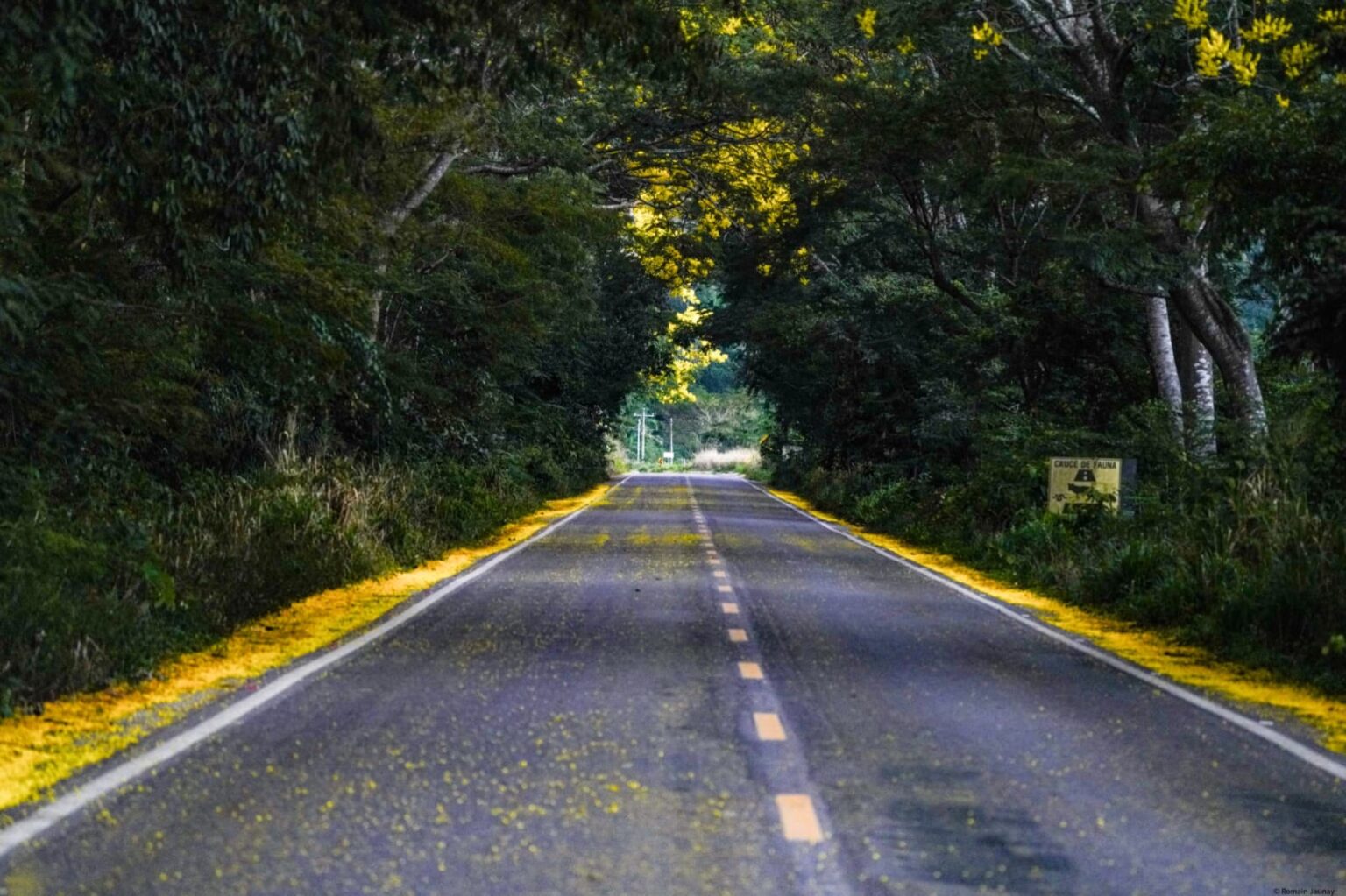
Jacj Cuisi is located approximately 25 km from Rurrenabaque, passing through San Buenaventura.

Before you travel

We recommend downloading map applications that work offline to help you find the sanctuary. Maps.Me and Google Maps offer this service. It is always advisable to arrive before dark.

If you are traveling during the wet season (from October to March), we recommend flying to Rurrenabaque, as road collapses are frequent and can make the road impassable. You can email us to check the road conditions.

Open the location in Google Maps

From La Paz to Rurrenabaque

From La Paz you can take a plane or a bus to Rurrenabaque.
- By plane: The La Paz airport is in El Alto, about half an hour by taxi from the city centre (with light traffic). The flight to Rurrenabaque takes about half an hour. During the wet season, flights may experience delays due to heavy rains. Two airlines operate flights to Rurrenabaque: Boliviana de Aviación BOA (boa.bo) and Ecojet (ecojet.com.bo).
- By bus: Buses depart daily from the Villa Fátima terminal starting at 2:30 pm. The most reliable company for this route is usually “Flota Yungueña”. The bus fare is 70 Bs and the journey can take between 12 hours and over 24 hours, depending on road conditions during the rainy season. We recommend bringing enough drinks and snacks, or considering flying instead.

From Santa Cruz to Rurrenabaque

From Santa Cruz you can take a bus to Rurrenabaque:
- By bus: Go to the Bimodal Terminal. Ask at the information point for the counters of the companies that travel to Rurrenabaque. The trip costs from 150 to 250 Bs and the journey takes 20 to 25 hours.

From Trinidad to Rurrenabaque

From Trinidad there are three ways to get to Rurrenabaque:
- By bus: It leaves at 10:30 am from the Trinidad bus terminal (they do not go every day). Tickets cost around 130 Bs. The trip usually lasts from 12 to 20 hours, although it can take much longer in adverse weather conditions. In the rainy season (October to March), roads can become impassable and you may need to take a plane.
- By rapidito (minivan): Go by taxi or motorcycle taxi to the “ex-terminal de buses”. Take a rapidito to San Borja and from there, another to Rurrenabaque. The rapiditos leave when they fill with passengers. The tickets cost between 170 and 180 Bs and the trip lasts from 7 to 15 hours, although in the rainy season (from October to March), there may be delays and the roads can become impassable.

From Rurrenabaque to the sanctuary

From the airport or the bus terminal, take a motorcycle taxi (10 Bs) or a taxi (15-20 Bs) to San Buenaventura “parada de taxis”.

From the airport take the Amazonas transfer bus (10 Bs) to the centre of Rurre. Then a motorcycle taxi (5 Bs) to San Buenaventura.

Also, once in the centre of Rurrenabaque, you can walk across the bridge that joins Rurrenabaque and San Buenaventura (20-30 min walk).

When you take the taxi, indicate that you are going in the direction of Tumupasa and that you will stop at “Parque Jacj Cuisi” (although they know it as “Yacusi”). Taxis and rapiditos leave when they are full, cost between 20 and 30 Bs and take 30-45 min, depending on the season.

Normally all drivers know where the sanctuary is. In case they do not know it, explain that it is 25 km from San Buenaventura, just after Chiquitos (a large farm property) and before a small river and Everest village. If you end up on a paved road, you’ve gone too far.

When you arrive

On the left side of the road you will see a sign that says “Bienvenidos a Jacj Cuisi”. Enter the camp through the door and the first building you see will be the volunteer house where you will sleep. Feel free to leave your bags at the house, use the bathroom, or walk to the kitchen (dining room). The buildings are signposted. Usually there will be someone to greet you, but if not, you can rest on the premises while you wait.

On the day you arrive, you will be given a tour of the sanctuary, followed by an overview of the rules, and assigned work areas.

Again, try to arrive before dark.
Deposits

Security Deposit

Fully refundable at the end of your stay if no damage or loss occurs.
Café/Candy Shop Deposit

Covers optional items such as French toast, snacks, eggs, and Friday night pub drinks. Any unused amount is refunded at departure.

Additional expenses

  • ENTEL SIM card: $3 USD (20 Bs). This is the only mobile operator with some coverage in the area.
  • Accommodation in Rurrenabaque (on days off): From $7 USD (50 Bs) per night.
  • Meals in Rurrenabaque (on days off): Approximately $2 to $10 USD (15 to 70 Bs) per meal.
  • Second-hand work clothing: $0.50 to $5 USD per item.
  • Rubber boots: $10 USD (70 Bs) in Rurrenabaque. We try to provide boots at the sanctuary, but we may not have your size.
  • Transportation:
  • Round trip Sanctuary — Rurrenabaque: $4 to $10 USD (25 to 70 Bs)
  • Motorcycle taxi within Rurrenabaque: ~$0.50 USD (3 Bs)
  • Motorcycle taxi from the Rurrenabaque bus terminal to town: ~$0.70 USD (5 Bs)
  • Mobile internet access: $1.50 USD (10 Bs) per day. Weekly data packages are also available.
  • Other miscellaneous or personal expenses depending on your needs.

Medical resources

Jacj Cuisi has basic first aid materials. Both San Buenaventura and Rurrenabaque have hospitals and pharmacies. However, we suggest that you bring a medical kit just in case. If you take any specific or unusual medication, we recommend that you bring enough to cover your entire stay.

Other considerations

The closest town is San Buenaventura and, passing the Beni river, is Rurrenabaque, 25 km away, where there are shops, restaurants of all kinds, pharmacies, a hospital and internet access.

Humidity is high throughout the year, so we recommend storing electronic devices (phones, cameras, computers, and hard drives) in airtight containers or waterproof bags with rice or silica bags to absorb moisture and avoid damage. It is necessary to carry waterproof bags to carry your electronic items (phone) with you while you work, as the rains can be unpredictable. Mold is common, especially during the rainy season, and can damage your belongings.

Ready to volunteer at Jacj Cuisi?

Subscribe to Our Newsletter

“When the last tree is cut, the last fish is caught, and the last river is polluted; when to breathe the air is sickening, you will realise, too late, that wealth is not in bank accounts and that you can’t eat money.” — Native American Saying